Springs · Port Bolster
Garage Door Roller Replacement in Port Bolster
The door is the one the builder installed and has never had a part changed.
In plain words
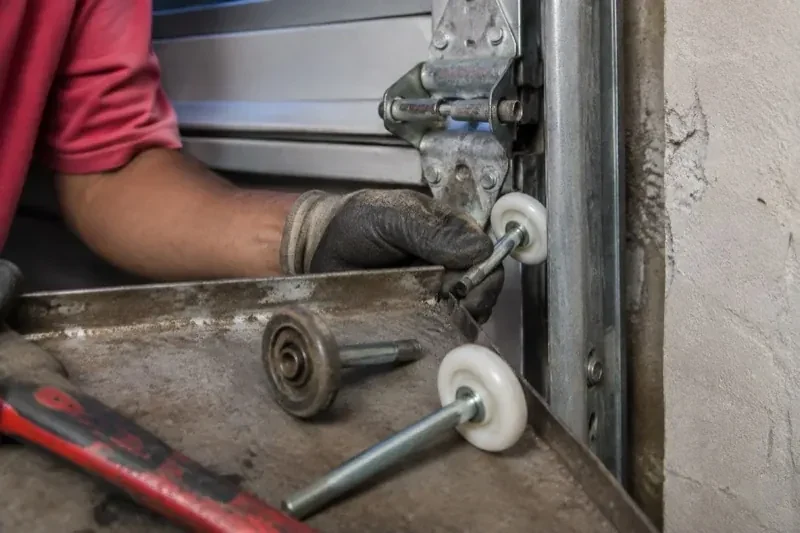
Not every roller suits every door. Wheel diameter has to match the track: two inches on residential track, and either two or three inches on commercial track, so the installed track is measured, not assumed. Stem length has to match the hinges: four inches through a single hinge, seven or ten inches where two hinges stack at the end of a heavier door. Bearing count and load rating have to suit the door's weight, with insulated steel and wood doors needing more than a light single-skin door. Measuring all of that before a set is chosen is part of the service, so the new rollers sit properly and last.
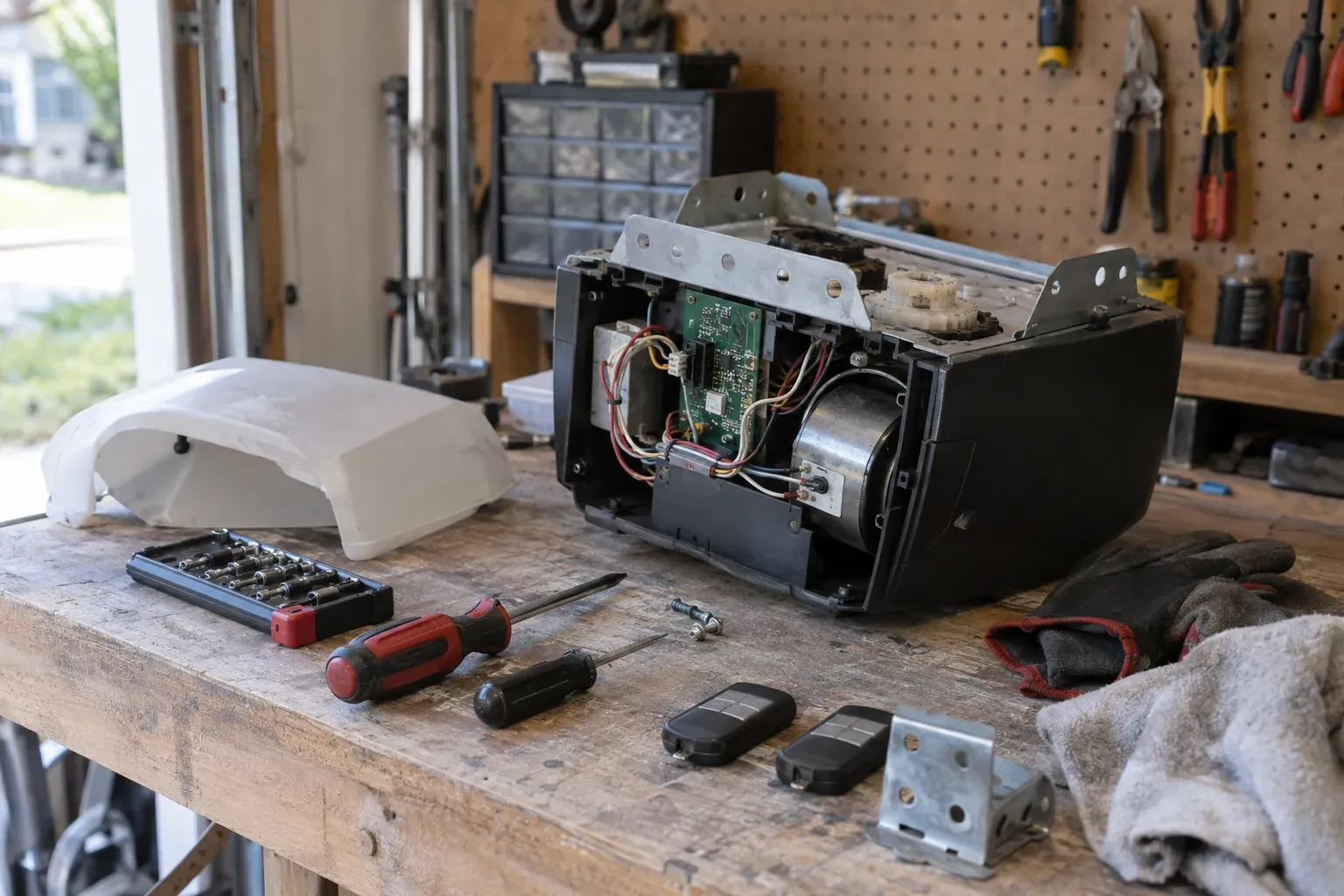
How the visit goesThe door is the one the builder installed and has never had a part changed. It works, but it clatters, the wheels are hard white plastic with no bearings in them, and the opener sounds like it is labouring more each season.
Garage Door Roller Replacement
How the visit goes
Counting hinges and measuring stems
The right replacement depends on numbers taken from your door, not from a catalogue. The wheel diameter is measured across its face: residential track takes a two-inch wheel, while commercial track can take a two-inch or a three-inch wheel depending on the system. The stem is measured from the wheel to its end, and the hinges at each end stile are counted, because a single hinge takes a four-inch stem while two hinges stacked together on a heavier door call for a seven- or ten-inch stem that reaches through both. Stem diameter is confirmed too, since most doors built since the 1980s share one standard size but older doors may not. These measurements decide which set goes in.
Fitting a matched set
The new rollers go in as one set of one type, with the same wheel material, stem length, bearing count and load rating at every position where the hinges allow it. Mixing a couple of new nylon wheels among old steel ones leaves the door running unevenly and sounding different from side to side, so even when only two wheels looked worn, the whole set is normally changed. Where a heavier door needs seven- or ten-inch stems at the double hinges, those positions get long-stem rollers and the single-hinge positions get standard ones, all from the same range so the wheels ride at the same height in the track.
Looking after nylon rollers
Modern nylon rollers ask for very little. Twice a year, glance along each track with the door closed for a wheel that sits crooked, a cracked tire or a stem that has begun to wobble. Give the hinge knuckles a short burst of garage door lubricant once or twice a year, and leave the wheels and track dry; lubricate bearings only if the roller's maker calls for it, since some are sealed or built to run without added grease. Keep the bottom of each track swept clear of leaves, grit and, in winter, slush. Rollers with sealed bearings need even less, since the seal keeps dirt and moisture away from the balls; a wipe and a look is enough.
Garage Door Roller Replacement
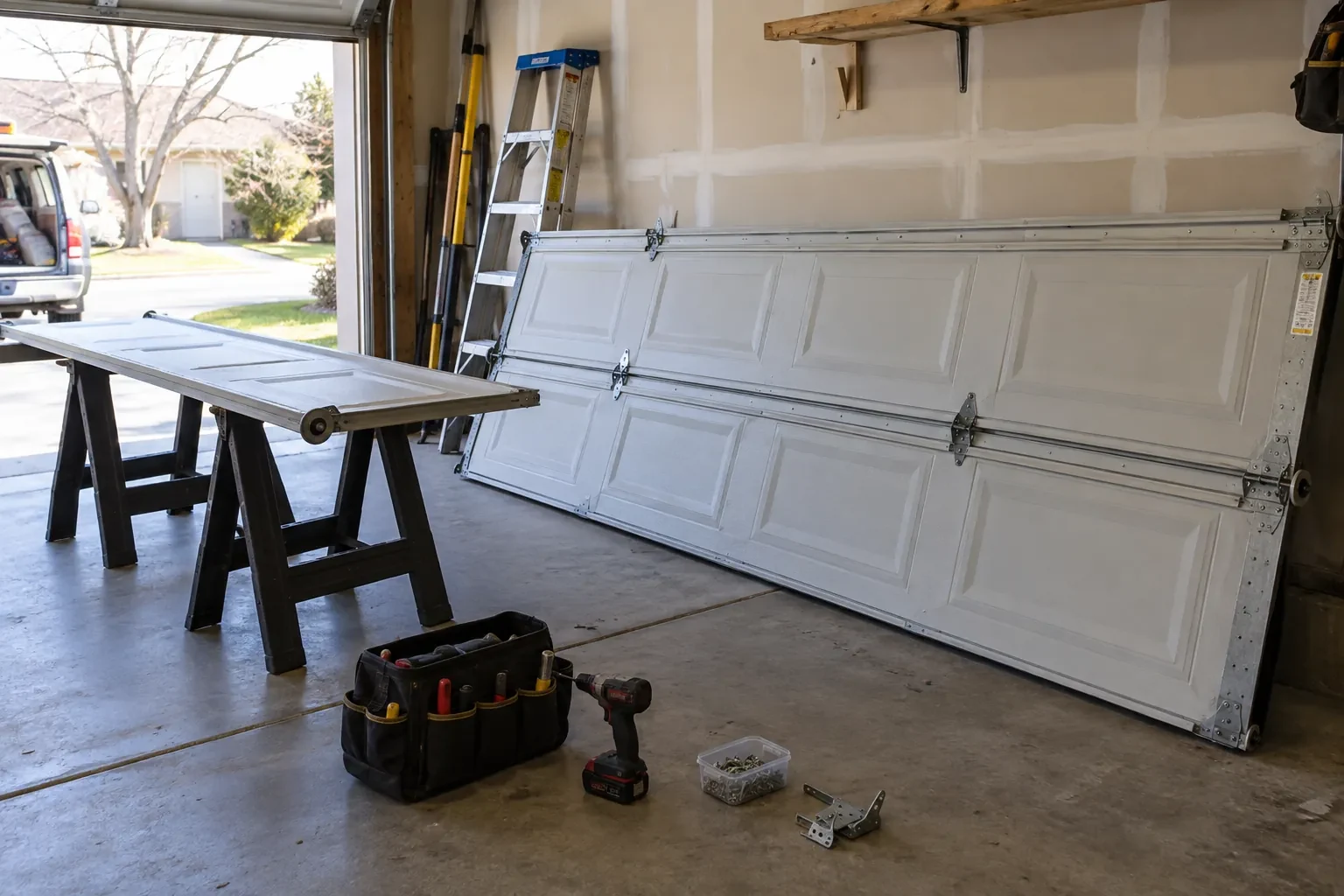
In the van
Adjustable top fixtures
1-1/2 inch reversal test block
Jamb bracket fasteners
Replacement numbered hinges
Two-inch nylon ball-bearing rollers
Garage Door Roller Replacement
What affects the quote
Combining with spring or cable work
If springs or cables are being replaced in the same visit, the door is secured once and the roller set is added to that job, which is often more economical than a separate call.
Roller type chosen
Plain steel, nylon with ten to thirteen bearings and sealed-bearing nylon sit at different points on the parts list. The technician explains what each offers for your door before you choose.
Salt and rust in the lower track
A track full of brine, scale and grit needs cleaning before new wheels go in, and heavy corrosion can extend to the brackets and cables, adding to the scope of the visit.
What to have ready
- Is the track the two-inch residential size or a wider commercial track?
- When were the springs last replaced, if you know?
- Does the door stay put at halfway when the opener is released?
Garage Door Roller Replacement: questions
QuestionsWhat is checked after the rollers go in?
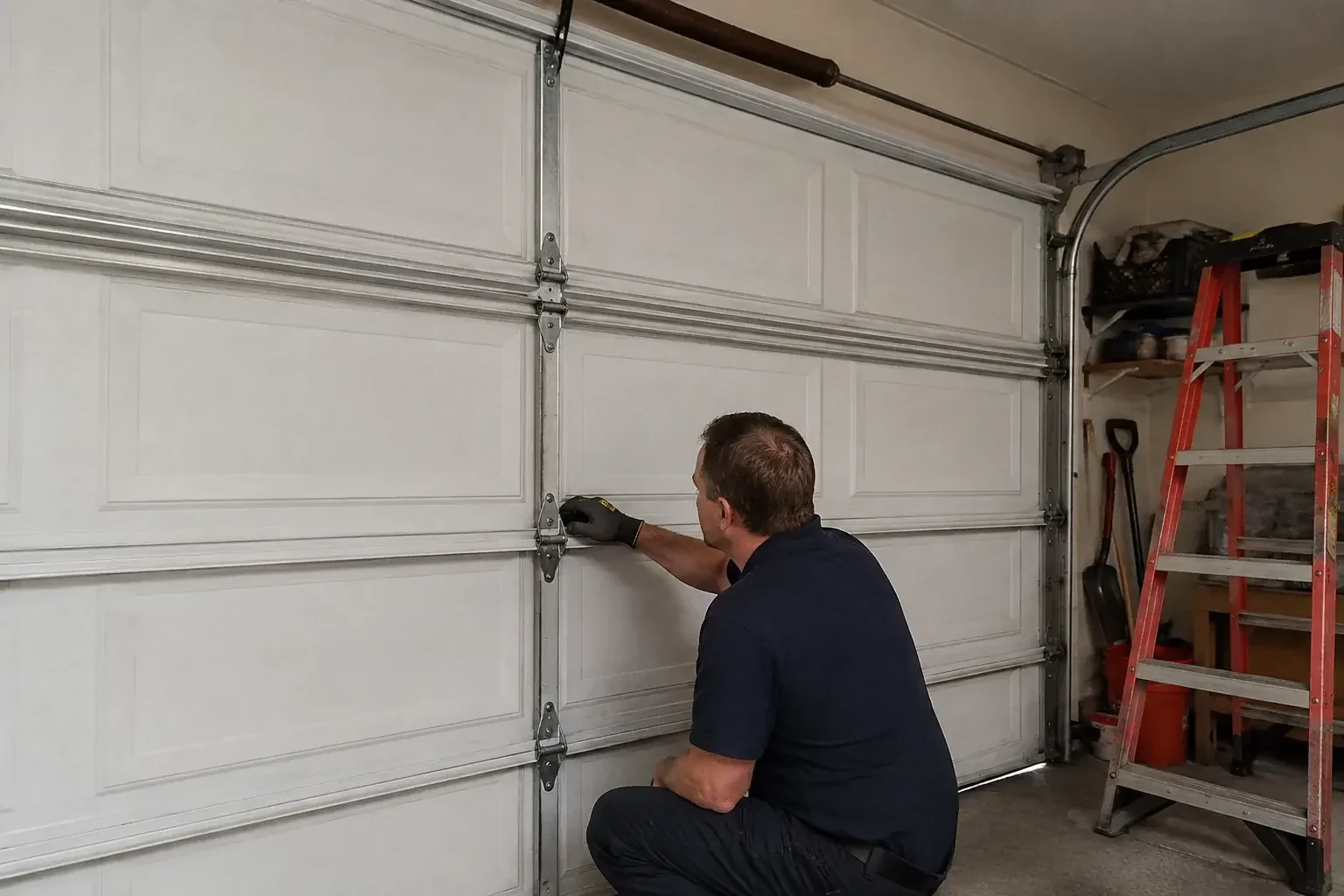
The door is run through several cycles with the technician watching each wheel stay seated, then balanced by hand with the opener released to confirm it holds at halfway. The top section is checked for a tight seal at the header, the hinge and bracket fasteners are snugged, and the opener's force and reversal are tested with a 1-1/2 inch block in the door's path. The industry checklist for a residential door covers exactly these points, and they are all part of finishing the job.
How does the technician tell rollers from hinges or track as the cause?
By watching where and when the trouble happens and then checking the parts in that spot. Rollers are spun and wiggled to reveal rough bearings and worn wheels; hinges are checked for cracks, elongated holes and loose bolts; tracks are checked for plumb, dents and spacing. A shudder at the curve tends to be rollers, a pop as sections pivot tends to be a hinge, and a rub the full height of the door tends to be track. Often more than one is involved, and the visit covers them all.
How do worn rollers affect the opener?
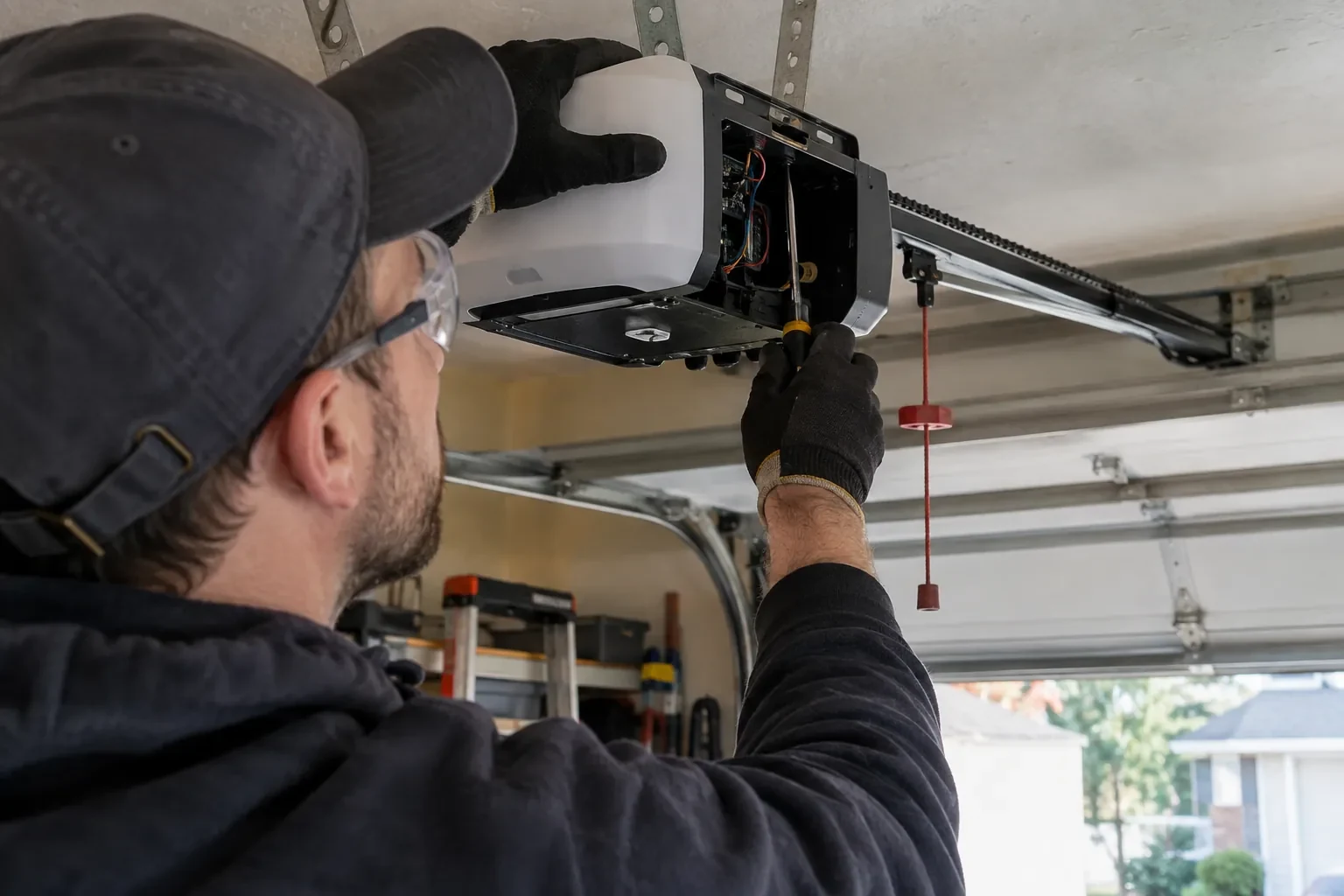
An opener is built to guide a balanced door, and every wheel that binds, wobbles or grinds adds resistance it has to overcome across the whole travel. It works harder, runs hotter, and may trip its force limit or reverse partway through a cycle. After roller replacement the technician confirms the door holds its own weight with the opener released, then checks the opener's force setting and its reversal on a test block, since a door that moves freely often needs those settings reduced.
Related services
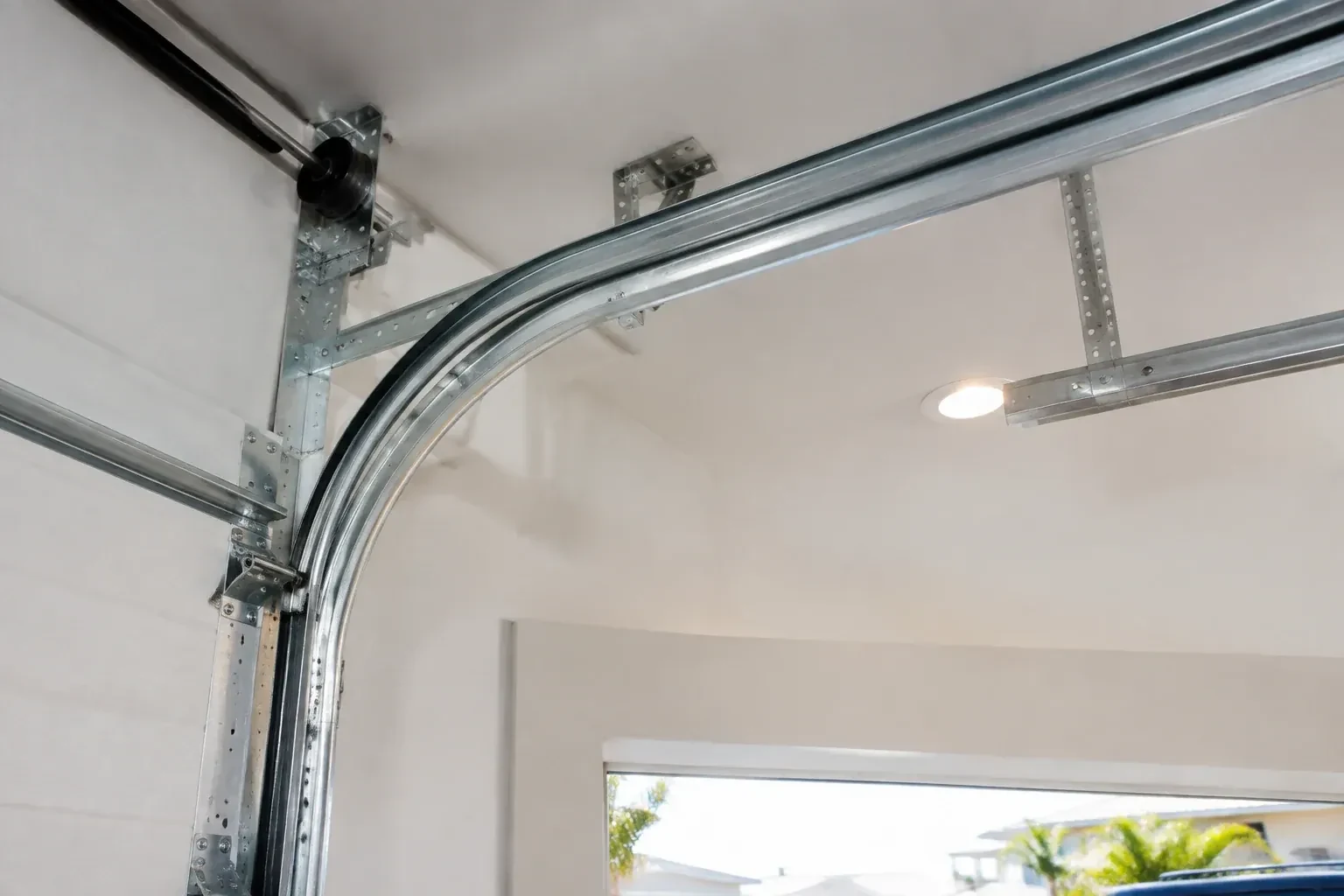
- Garage Door Track Repair or ReplacementThe door has started rubbing the frame on the left, leaving a shiny stripe down the weatherstrip.
- Garage Door Cable ReplacementSomeone left the snow shovel leaning in the opening and the door came down on it.
- Torsion Spring ReplacementNothing broke outright, but the door has grown heavier each winter, opens more slowly and squeals as it moves.