Garage Doors in Cannington, OntarioThe garageis part of the house.
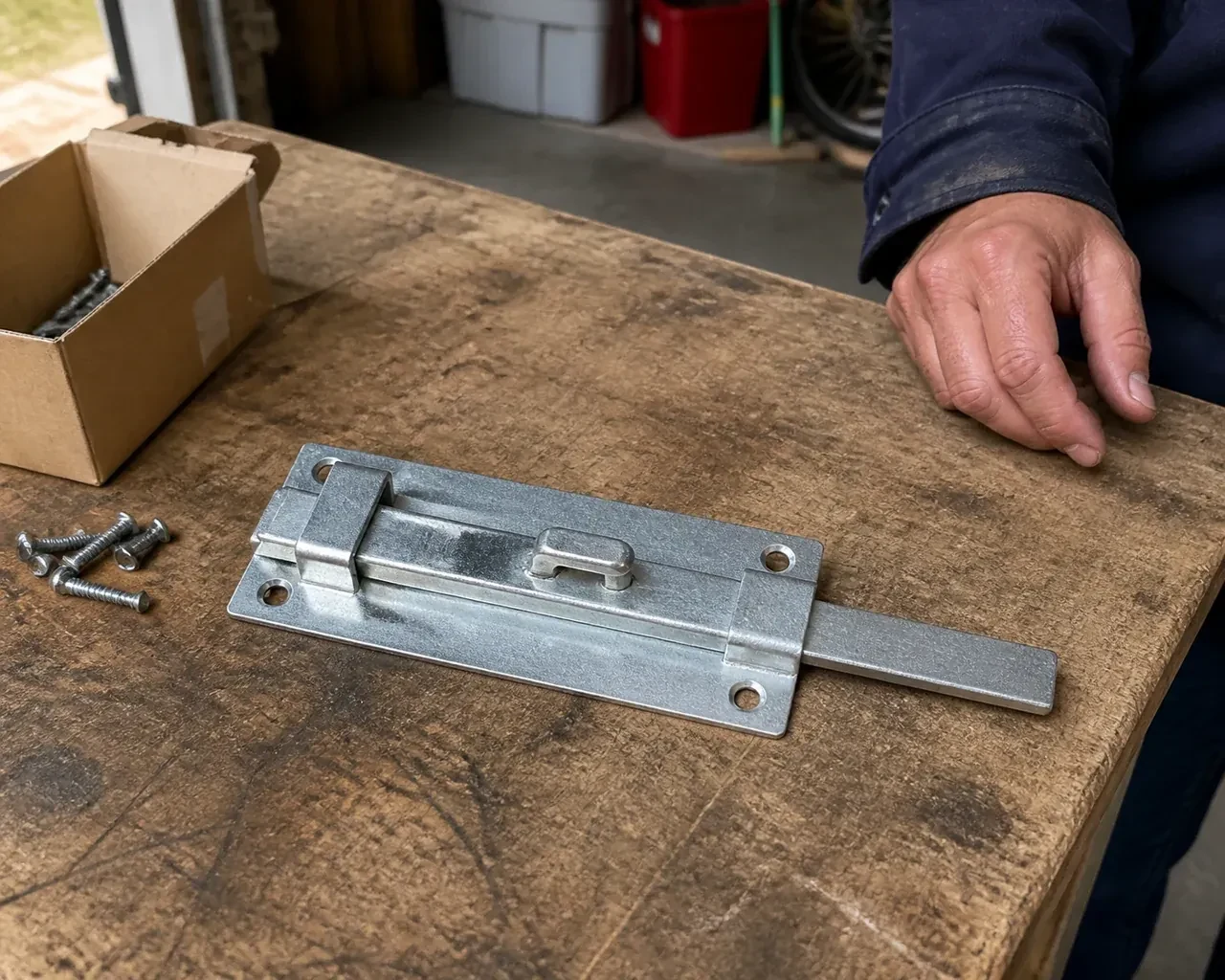
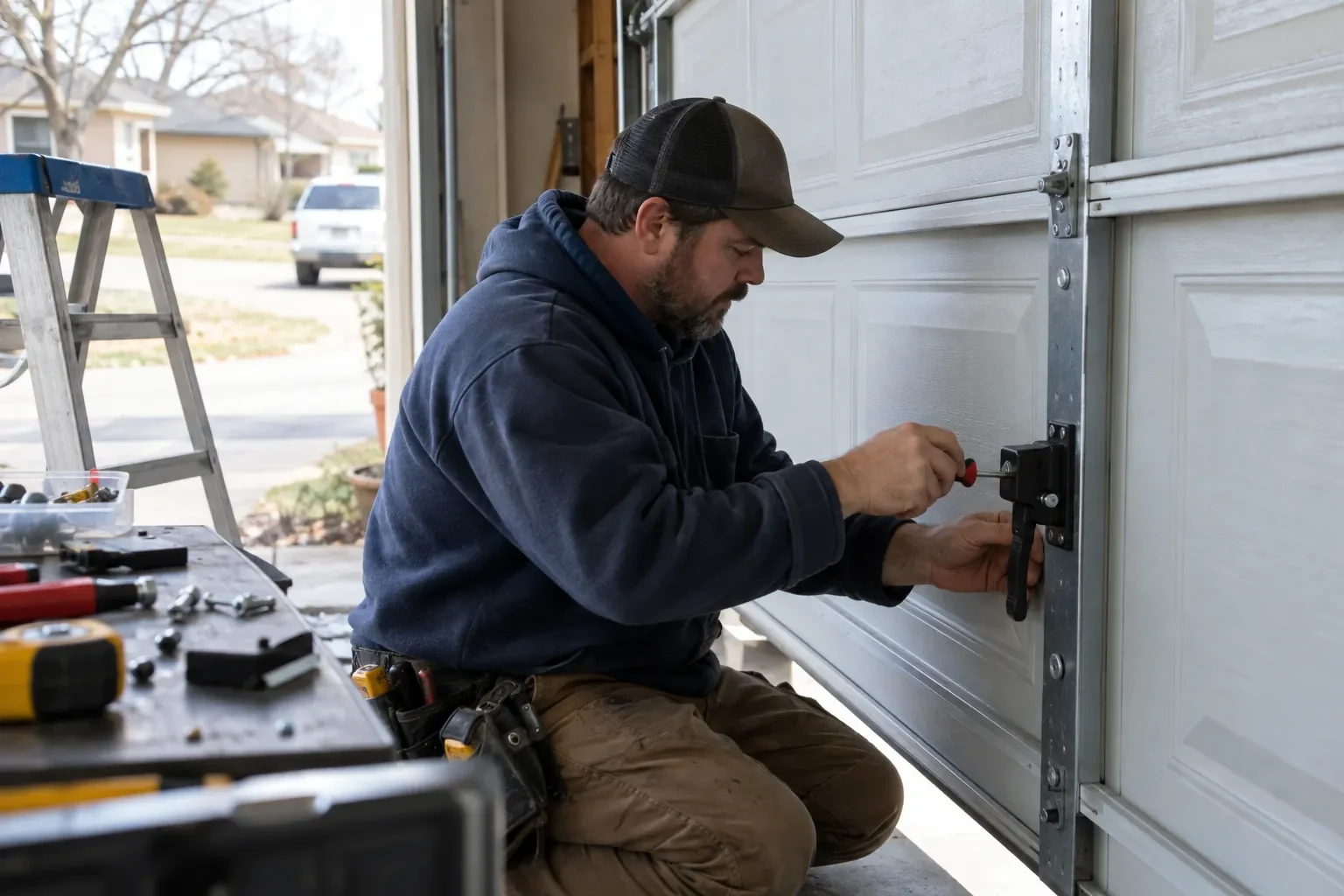
In most homes in Cannington the door between the garage and the kitchen is the least guarded one, so the garage door itself matters for security. We make sure it closes and locks fully, replace worn emergency-release cords, add a manual lock where wanted, and clear old codes from the opener. We also come out to Saginaw.
In most homes in Cannington the door between the garage and the kitchen is the least guarded one, so the garage door itself matters for security. We make sure it closes and locks fully, replace worn emergency-release cords, add a manual lock where wanted, and clear old codes from the opener. We also come out to Saginaw.
Keeping the weather on the outside.
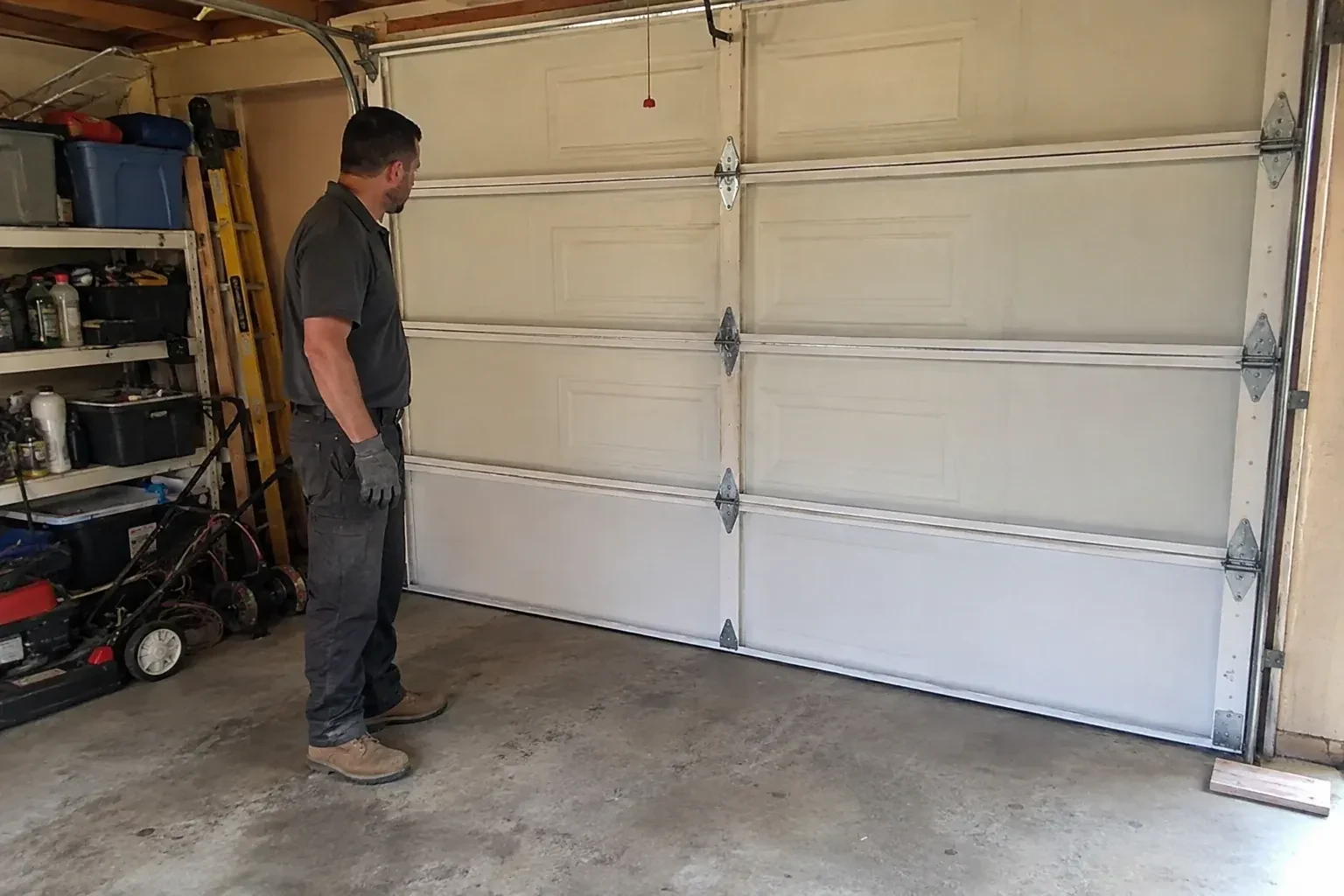
A phone call to us from Cannington gets a real conversation, not a script. We ask about the door, suggest what might be going on, and arrange a visit. What we hold back is the number: that comes after the technician has stood in front of the door and measured what it needs.
Our approach in Cannington is the same one that built the company: look at the whole door, explain what was found in ordinary words, offer sensible choices and do the work carefully. Whether the visit is a single roller or a complete new door with a new opener, the household ends up with a door that works and a clear understanding of what was done.
12years in business
24/7open every day
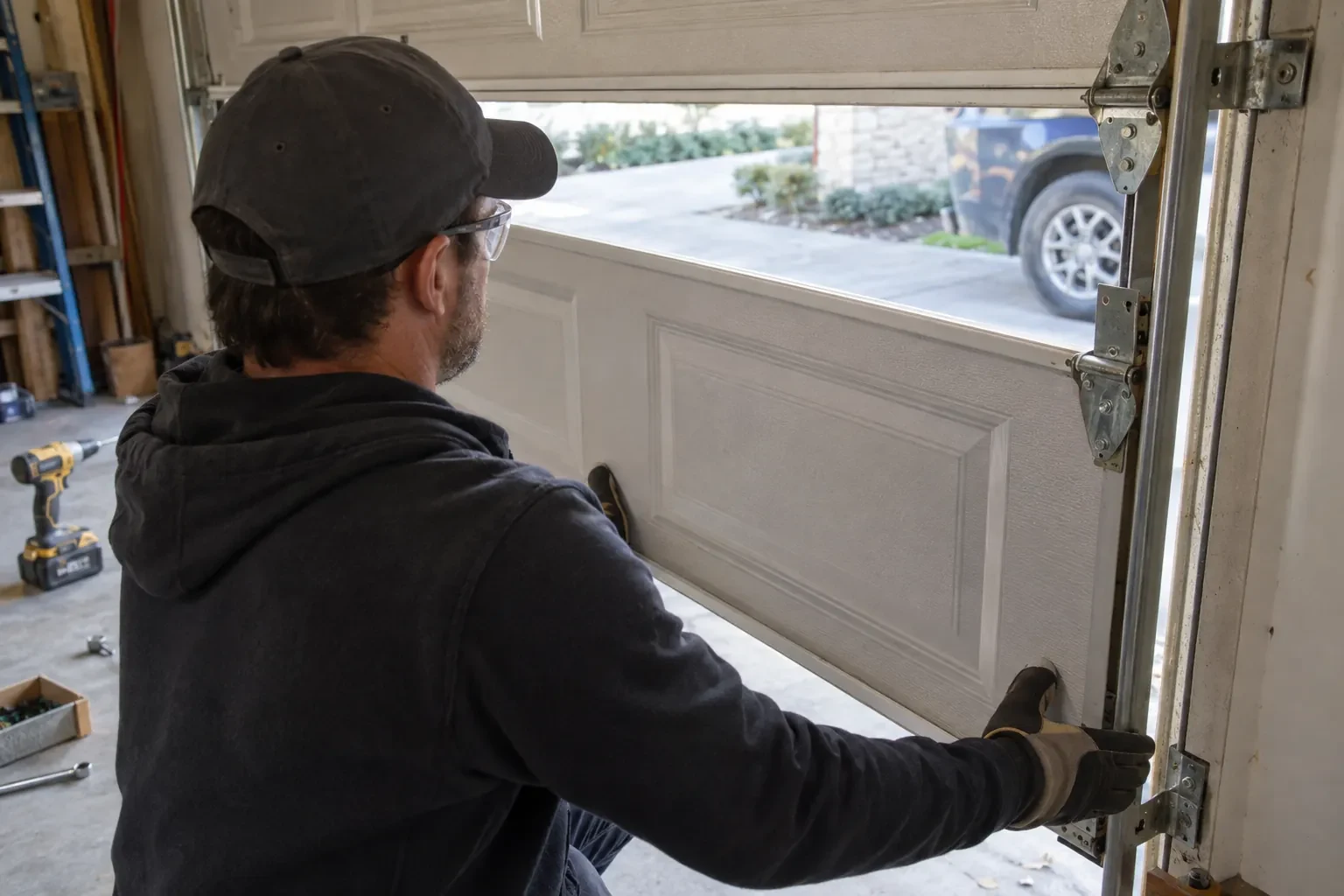
A technician who talks. You hear what we are checking and why, in real time. Ask anything; the explanation is part of the job.
Mess that leaves with us. Debris, packaging and the old spring go with us. Your floor and your car look the same after as before.
Your decision, informed. We put the choices on the table with their pros and cons. Whether to repair, upgrade or replace stays with you.
From a stuck door on a winter morning to a planned replacement before the house goes on the market, the services on this page cover what garage doors in Cannington typically need. Each one explains what is checked, how the work is done and what you can expect afterwards.
About 64% of homes in Brock were built in 1980 or earlier, according to the 2021 Census.
Older homes
Older garages are frequently used as workshops or storage as much as parking, which means the door opens many times a day and collects dust on the sensors. Sealed rollers, protected photo-eyes and a tune-up schedule suit that pattern well.
Single-detached houses make up about 87% of homes in Brock (2021 Census).
Mostly houses
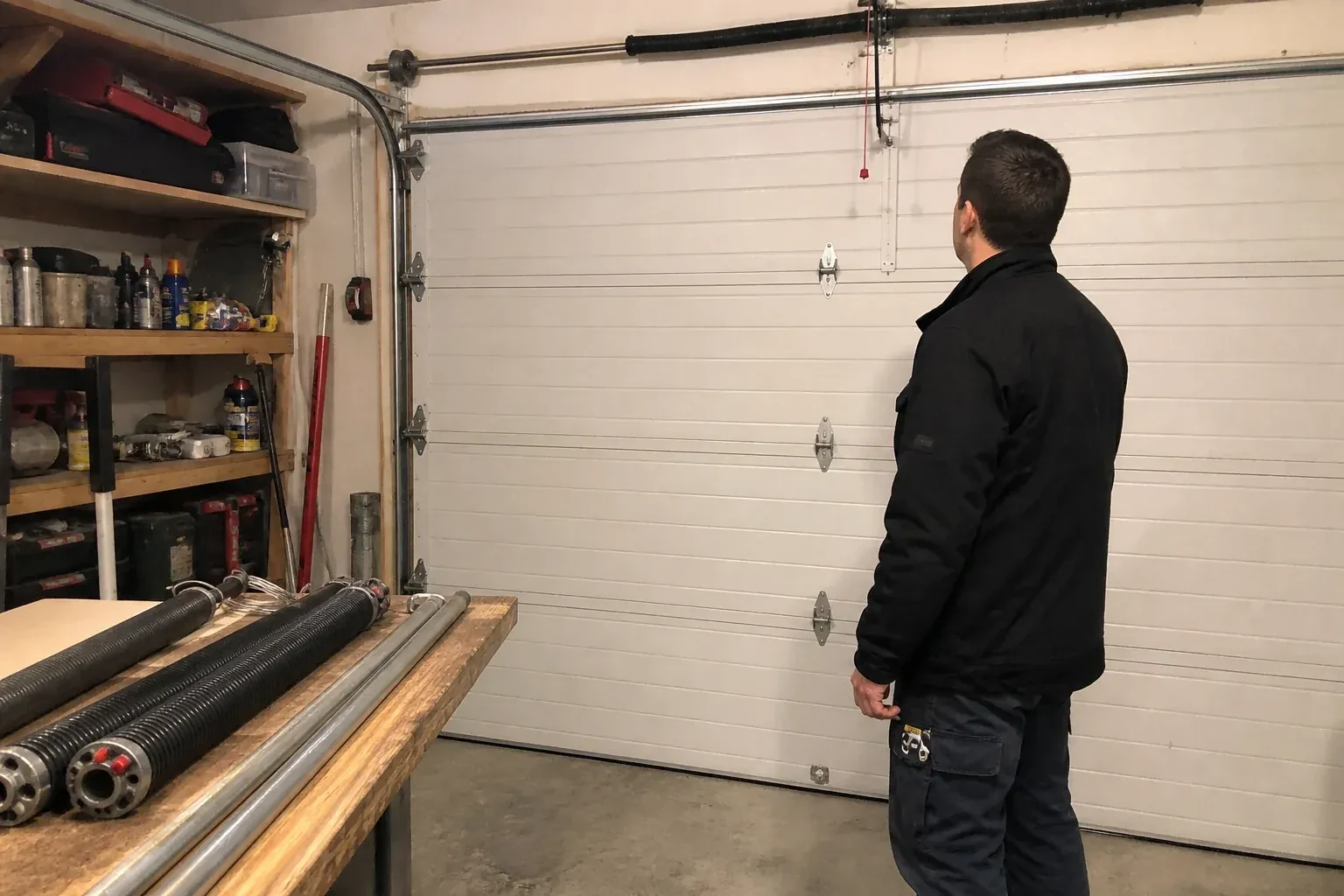
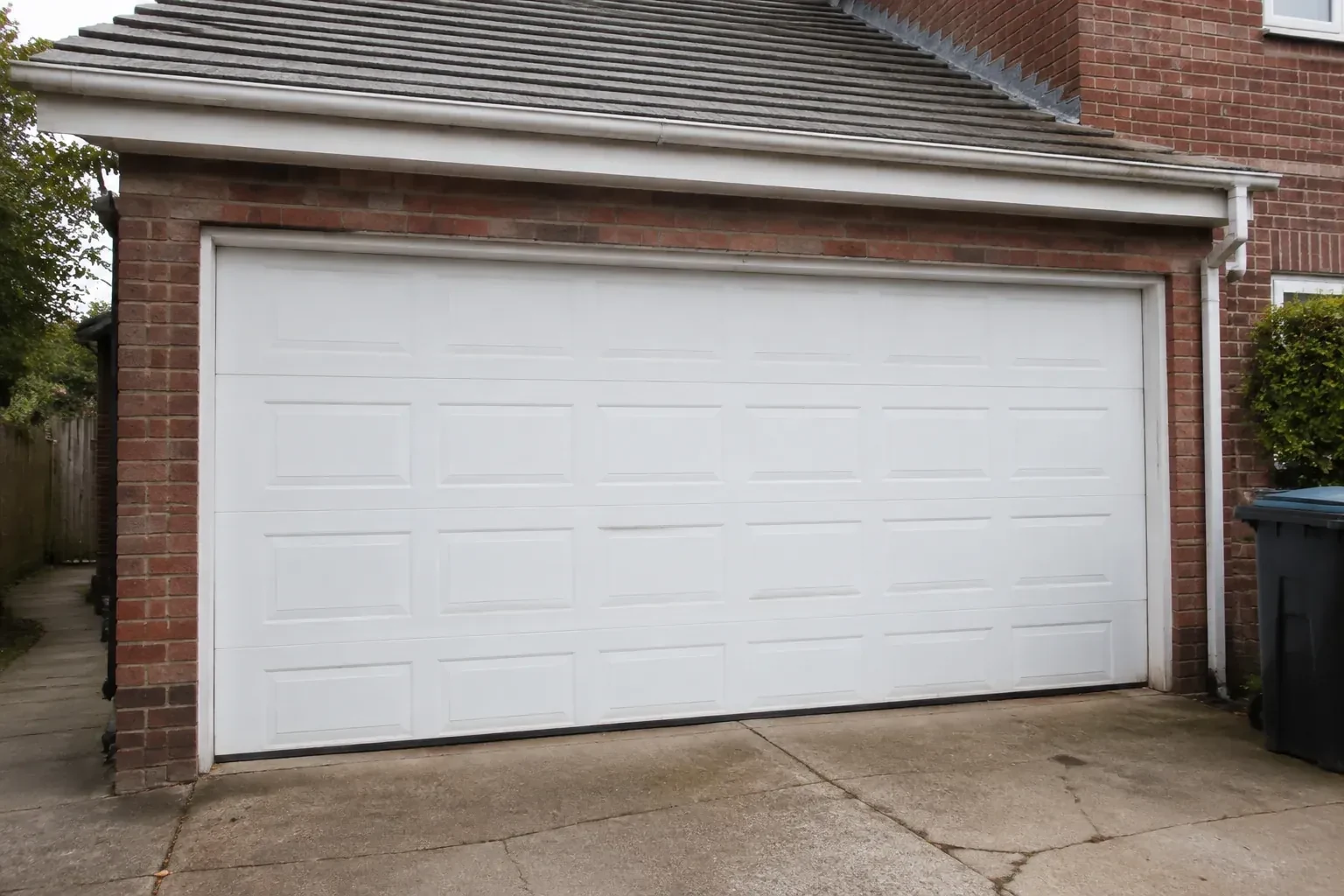
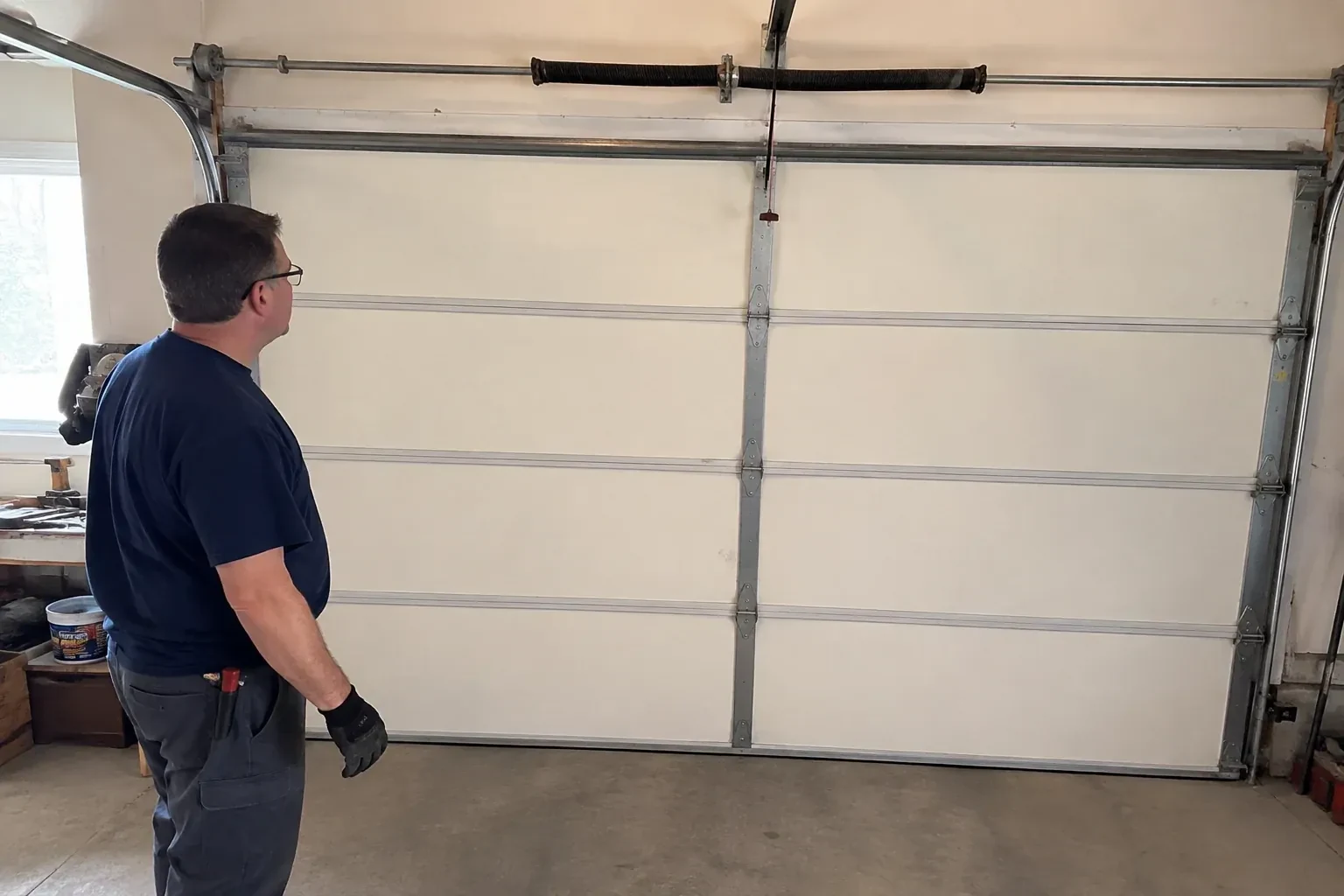
Detached houses commonly have attached two-car garages with a wide double door, which is a heavy door on a pair of torsion springs. Spring and cable work on these doors is done as a matched set so the door lifts level and the opener carries only its intended load.
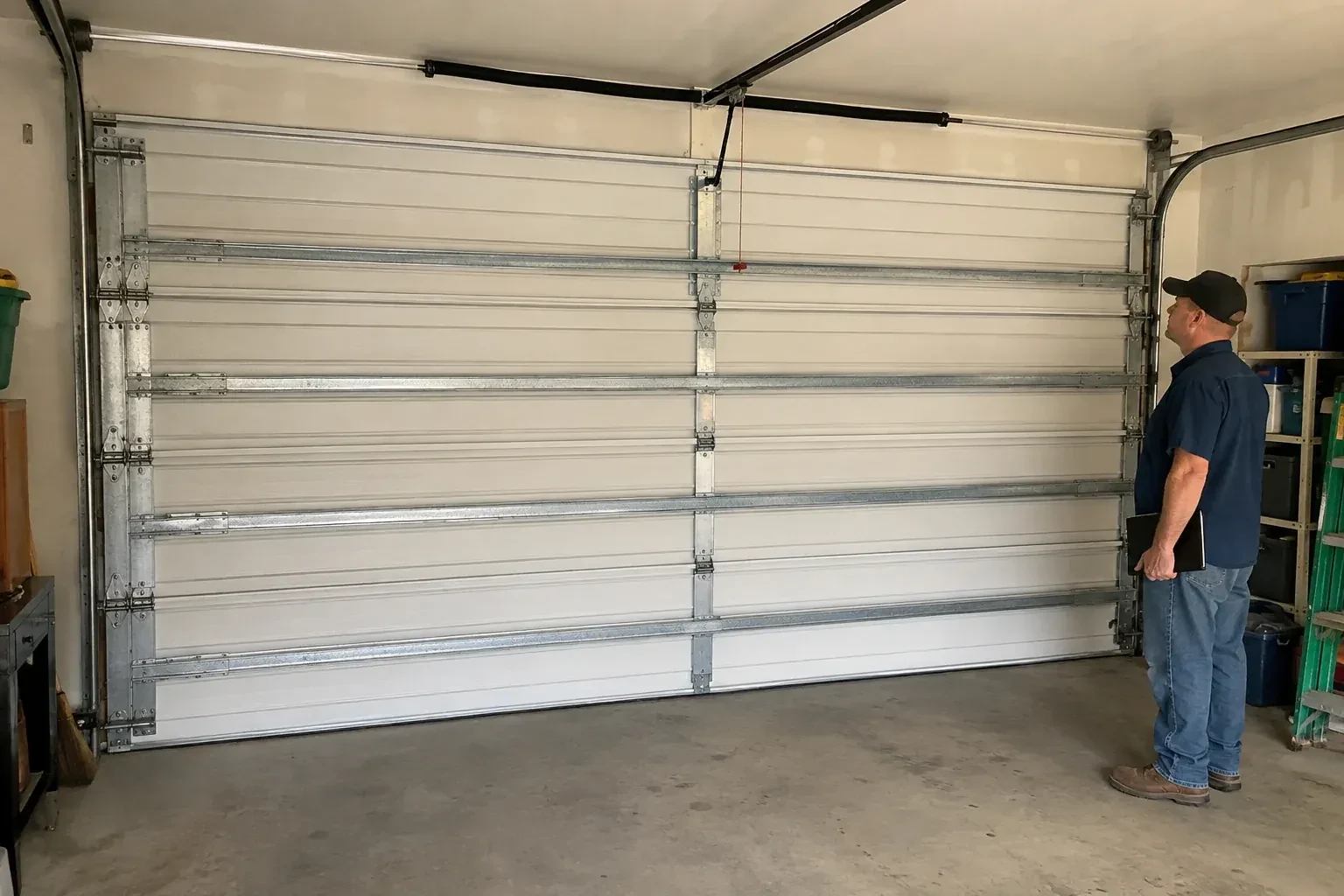
Balanced doors are lighter on everything: the opener, the hinges, the rollers and the arms of anyone who has to lift them in a power cut. The spring and cable work here is how that balance is set and kept.
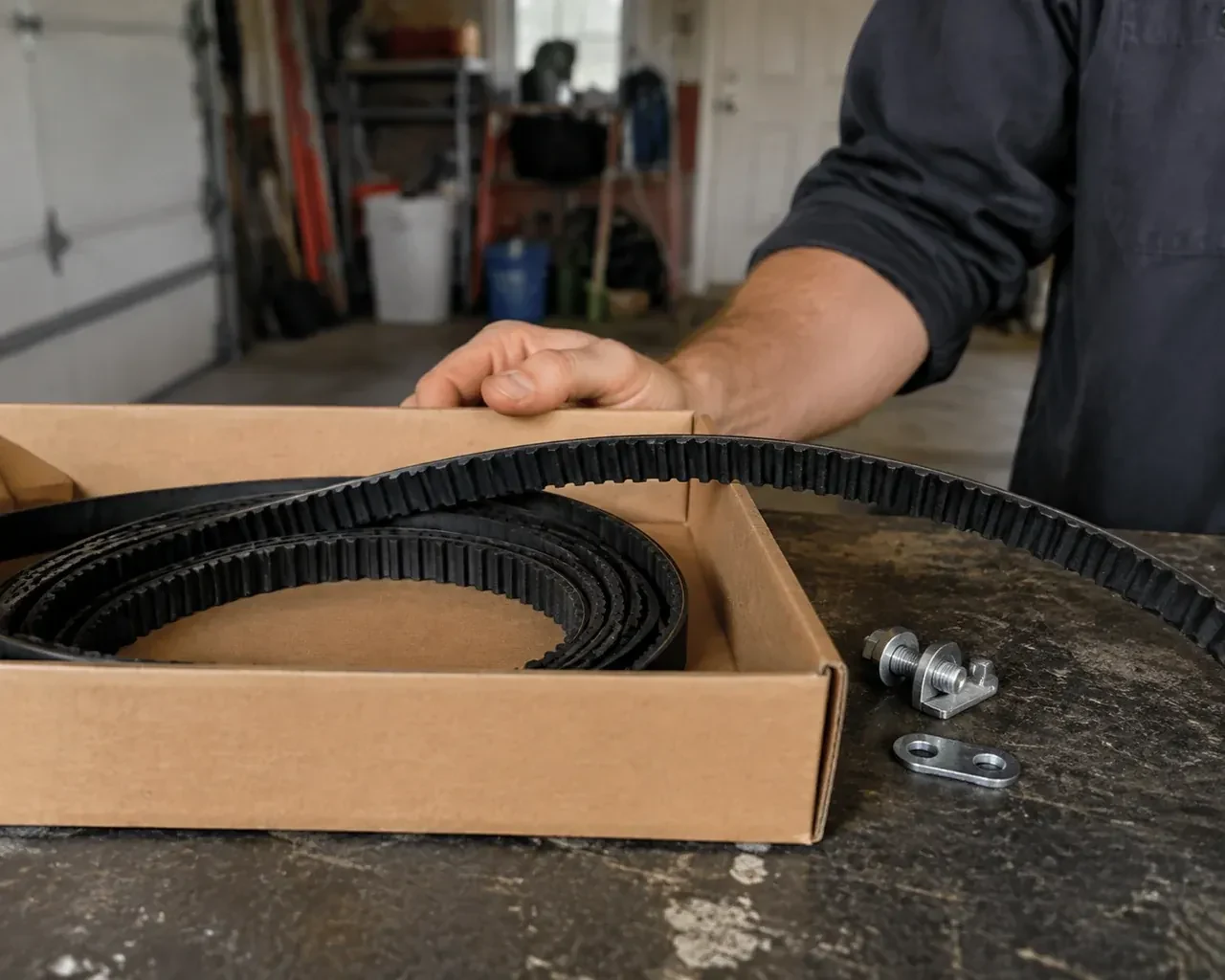
The belt looks fine from a distance, but up close the rubber has cracked across the back in dozens of places and, in one spot, you can see the steel cords showing through.
You want the ceiling back. A storage loft, a vehicle lift or kayak racks would fit if the long rail and motor box were not hanging in the middle of the garage, and the low ceiling of an older house leaves little room for the standard rail anyway.
On bright mornings the door will not close, then by lunchtime it behaves itself. The garage faces the low sun, and the light reaches straight across the floor to one of the little black sensors.
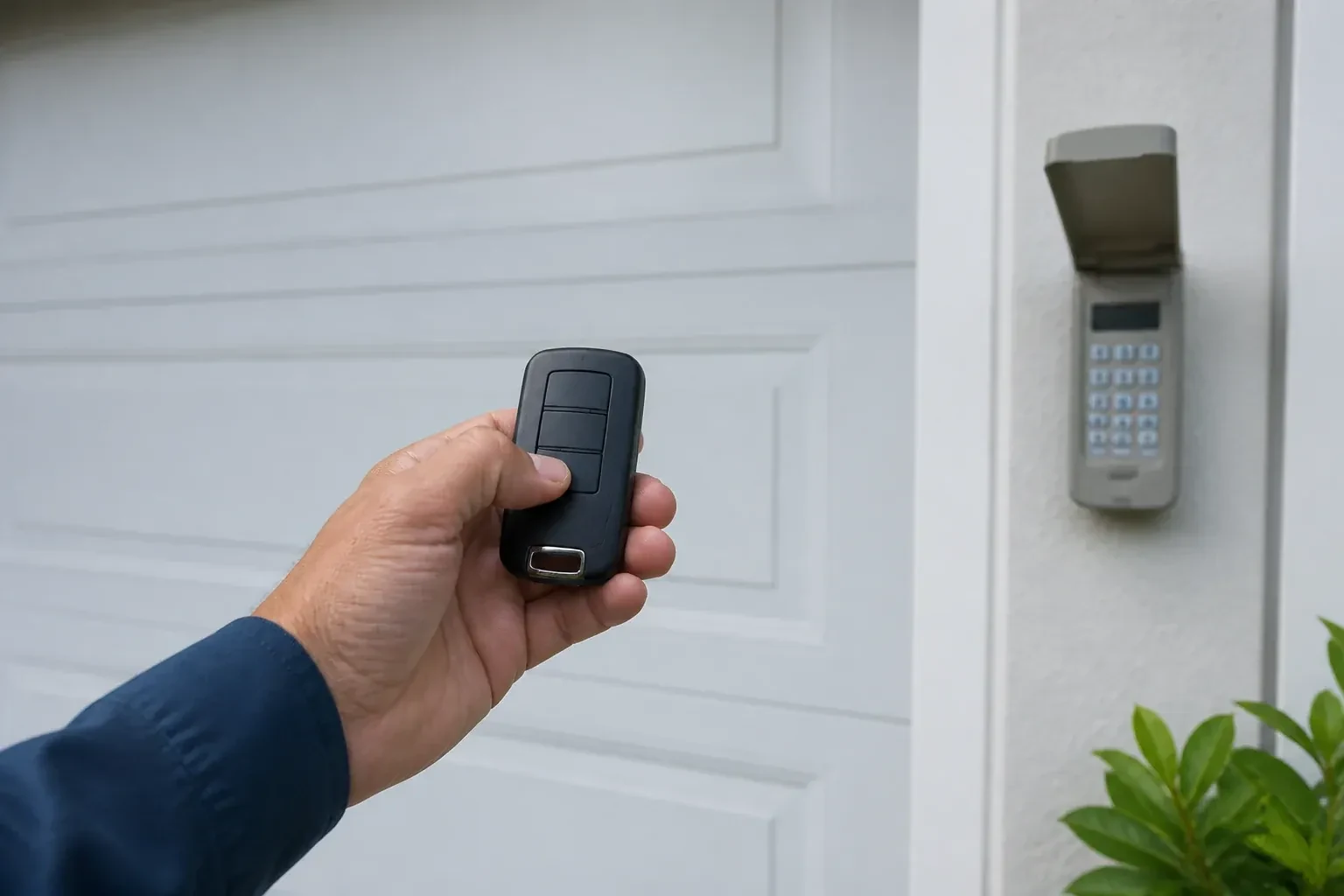
Someone in the family tried to add a remote, held the button on the ceiling unit a little too long, and now every remote in the house is dead at once. The wall control still moves the door.
The house came with a controller already screwed to the garage ceiling and a sensor on the door, but the app insists the device belongs to another account. The seller has moved provinces, the emails go unanswered, and every evening the door still reports to a stranger's phone.
It is the coldest morning of the year. A week of slush and road salt has crusted over the outside release lock, the key will not seat, and the opener inside is silent after the overnight outage.
Which fix fits?
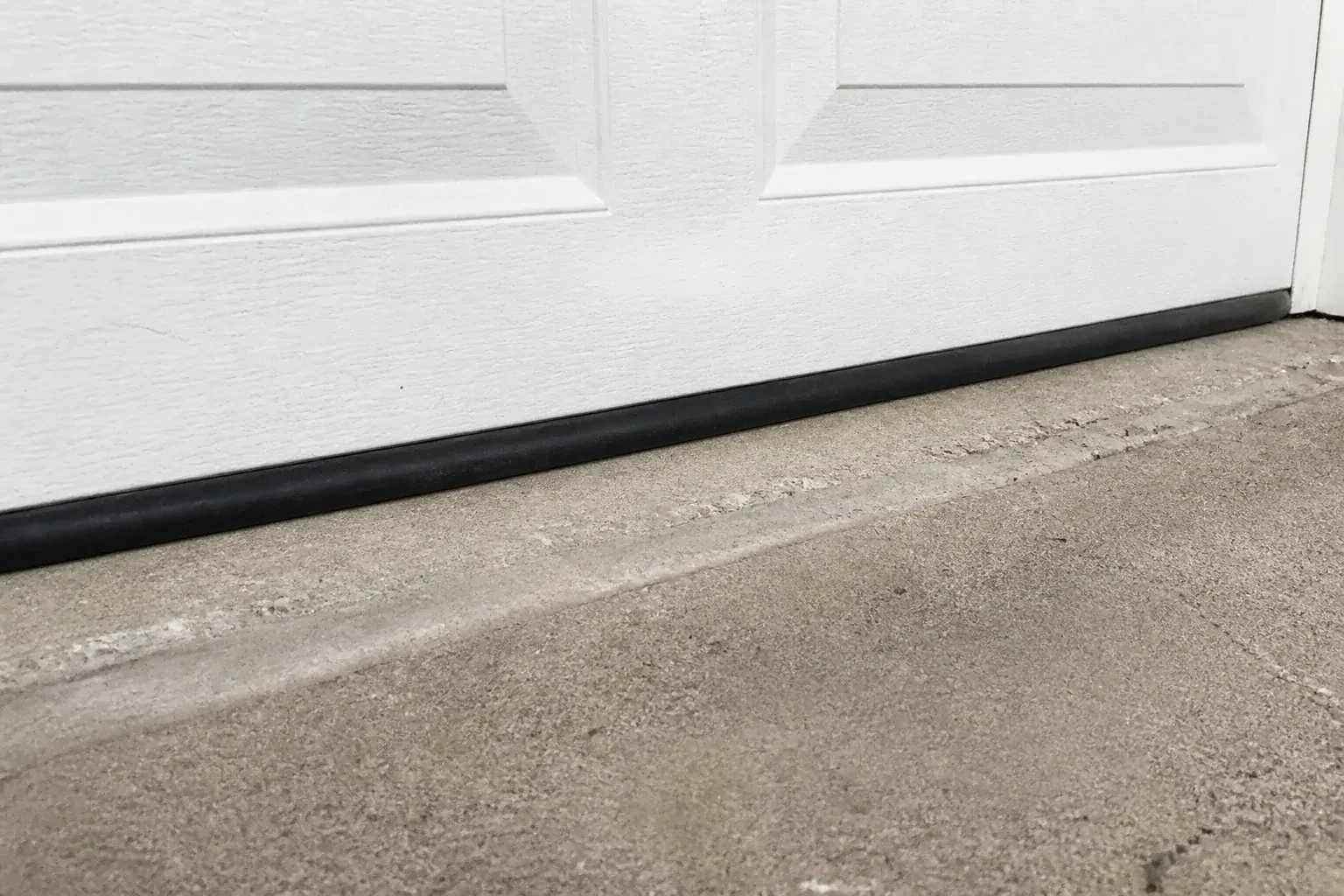
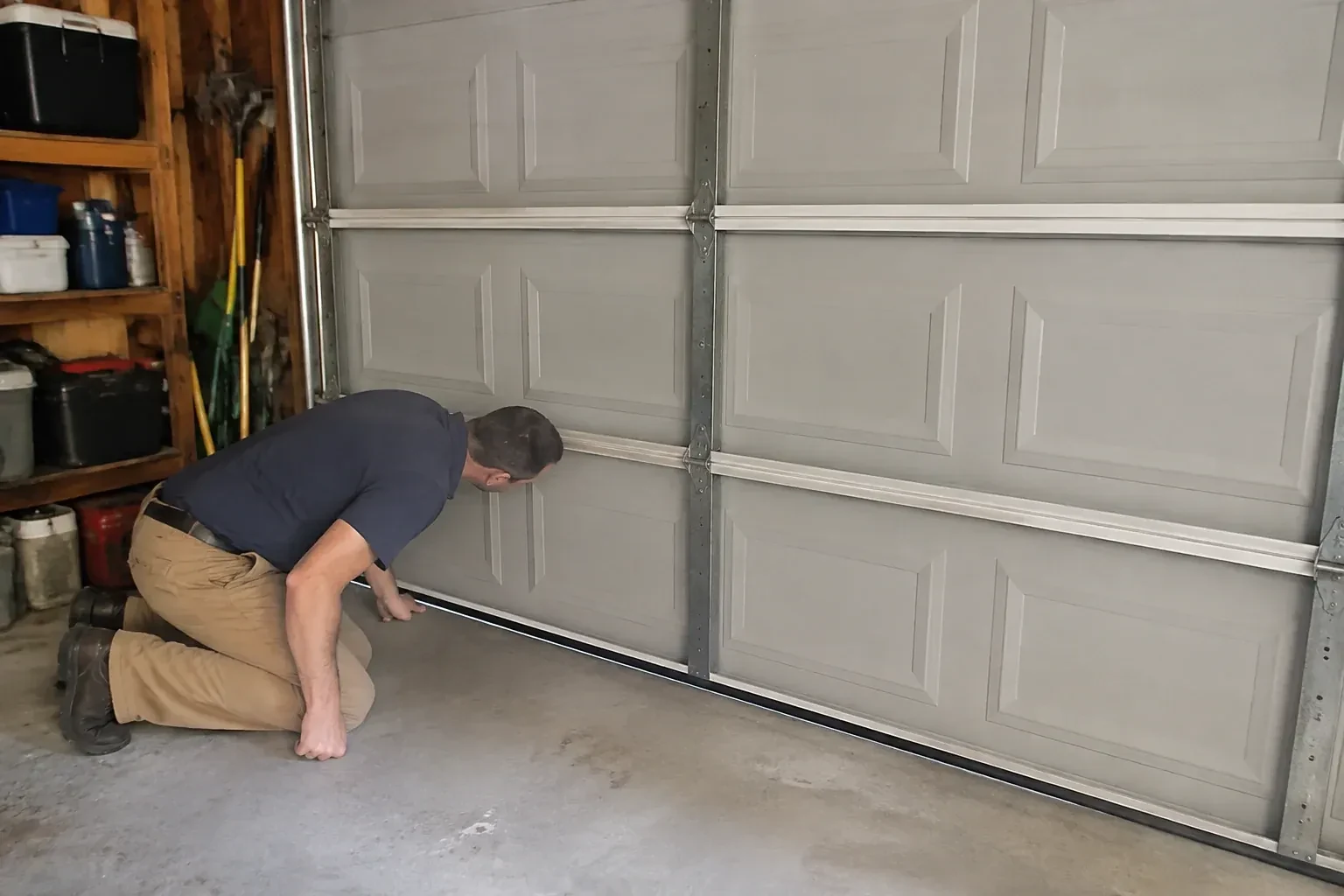
With the door closed and the lights off, a bright line of daylight runs along the floor from one side to the other.
WhyThe bottom seal, called an astragal in the trade, is the flexible strip along the underside of the lowest door section that squashes against the floor when the door closes.
The T-shaped handle on the outside turns a full quarter, exactly as it has for twenty years, but nothing moves behind it.
WhyImpact repair is more than flattening a dented panel.
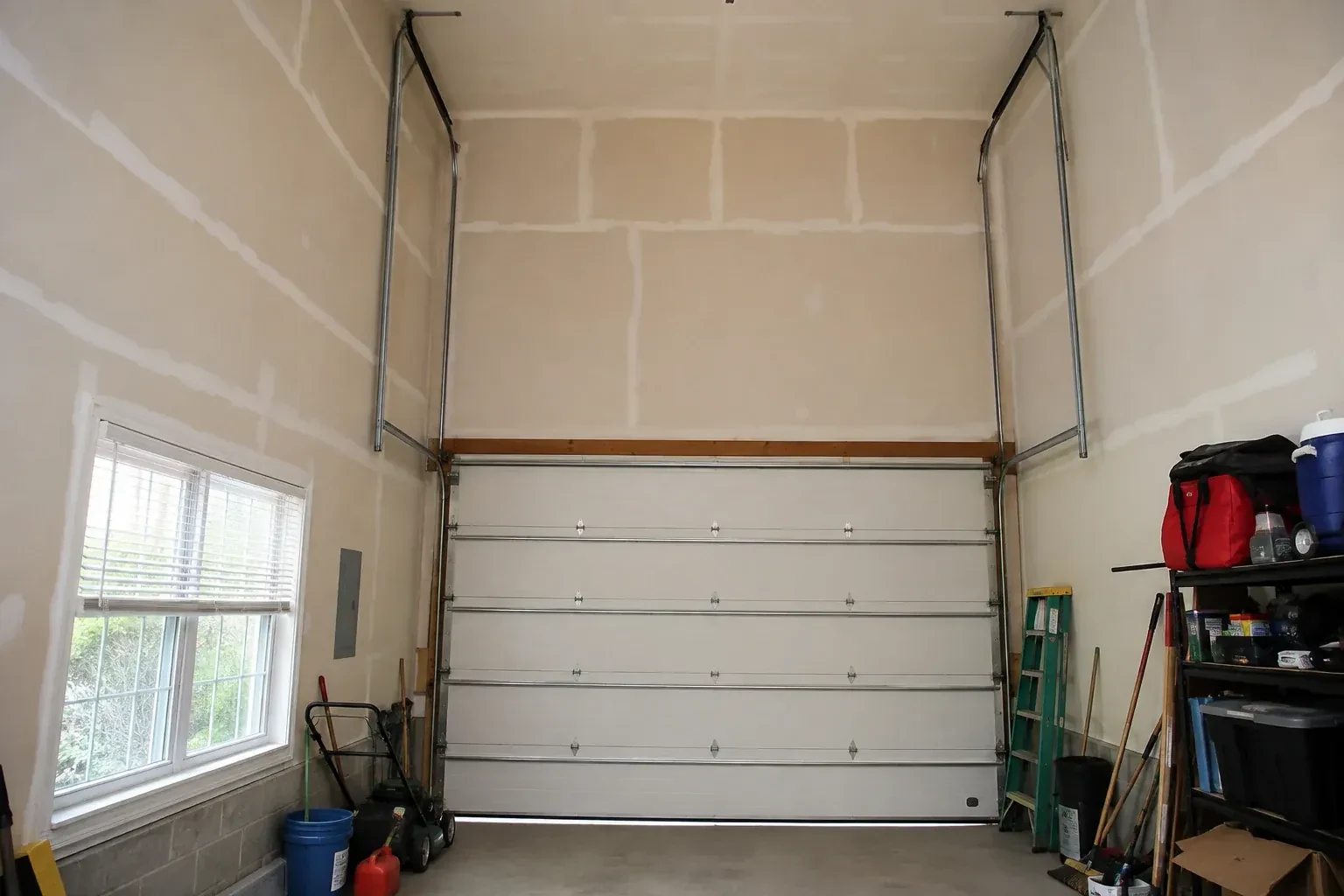
A taller van clears the closed opening comfortably, then loses useful space when the door is raised because the bottom section hangs below the ceiling.
WhyThis conversion is a measured redesign of an existing sectional-door system.
An entrance. Not an afterthought.
1/10Garage Door Bottom Seal Replacement
With the door closed and the lights off, a bright line of daylight runs along the floor from one side to the other. Leaves and grit have blown in under it and gathered in a neat drift against the back wall.
The T-shaped handle on the outside turns a full quarter, exactly as it has for twenty years, but nothing moves behind it. No clunk from the bars, no click at the tracks. The handle has stopped talking to the lock.
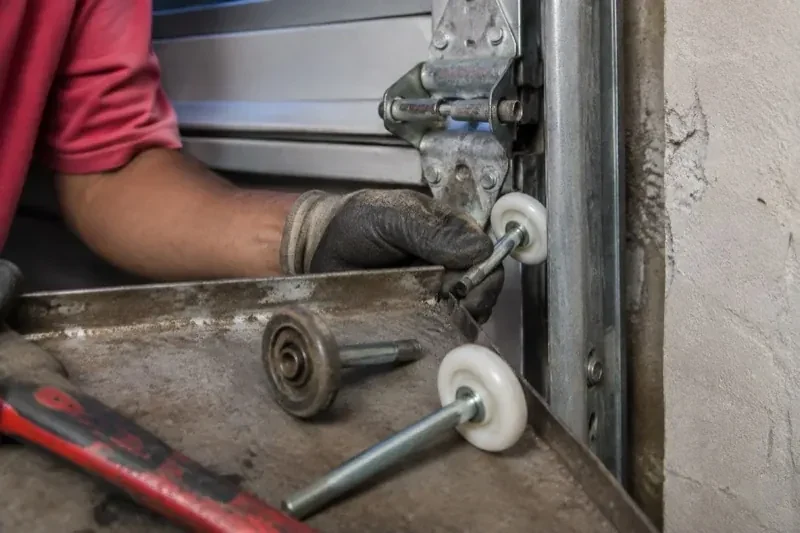
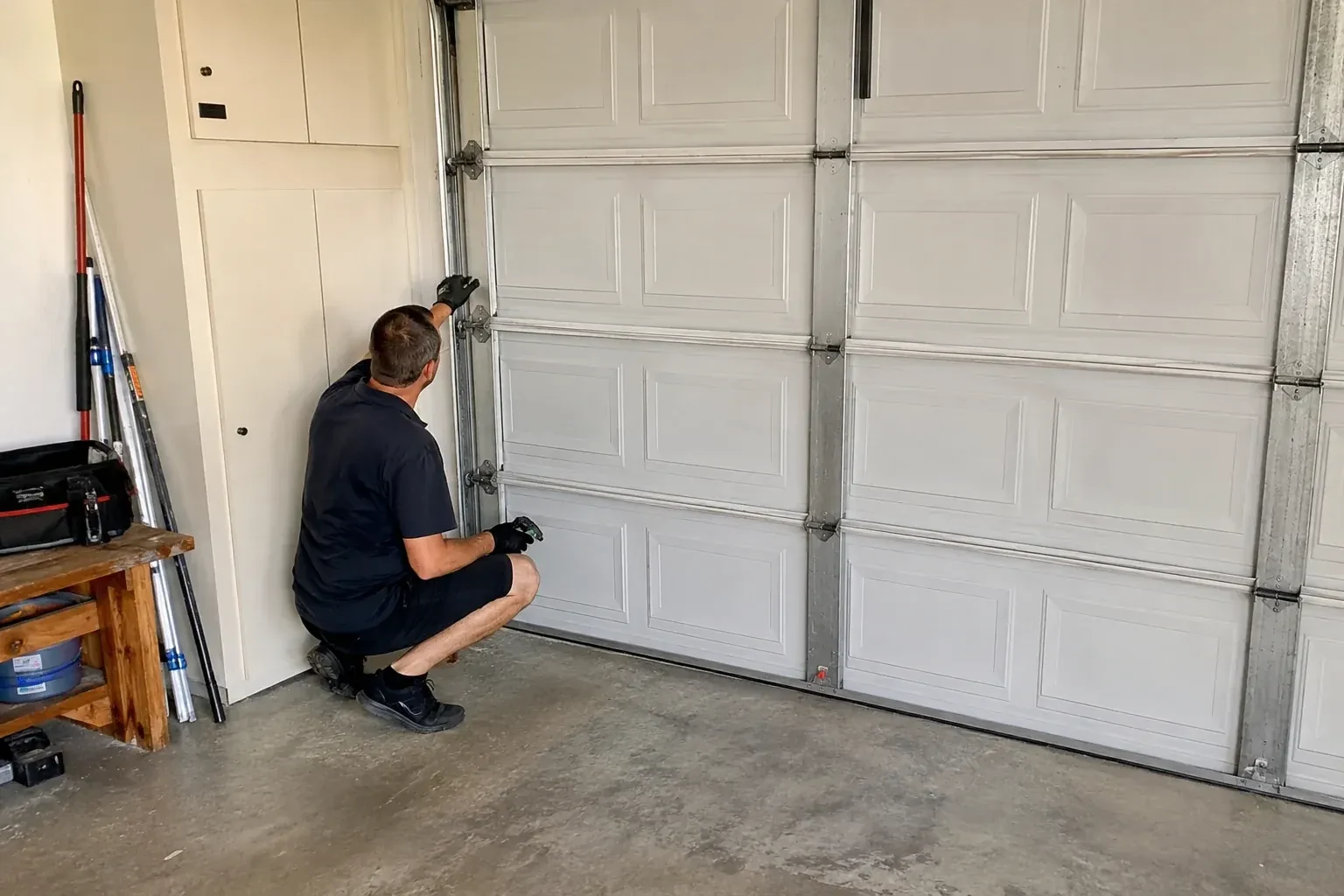
A roller near the top corner is riding on the lip of the track rather than inside it, and the section above leans back a little more each week. The door still moves, but it looks one bump away from coming out altogether.
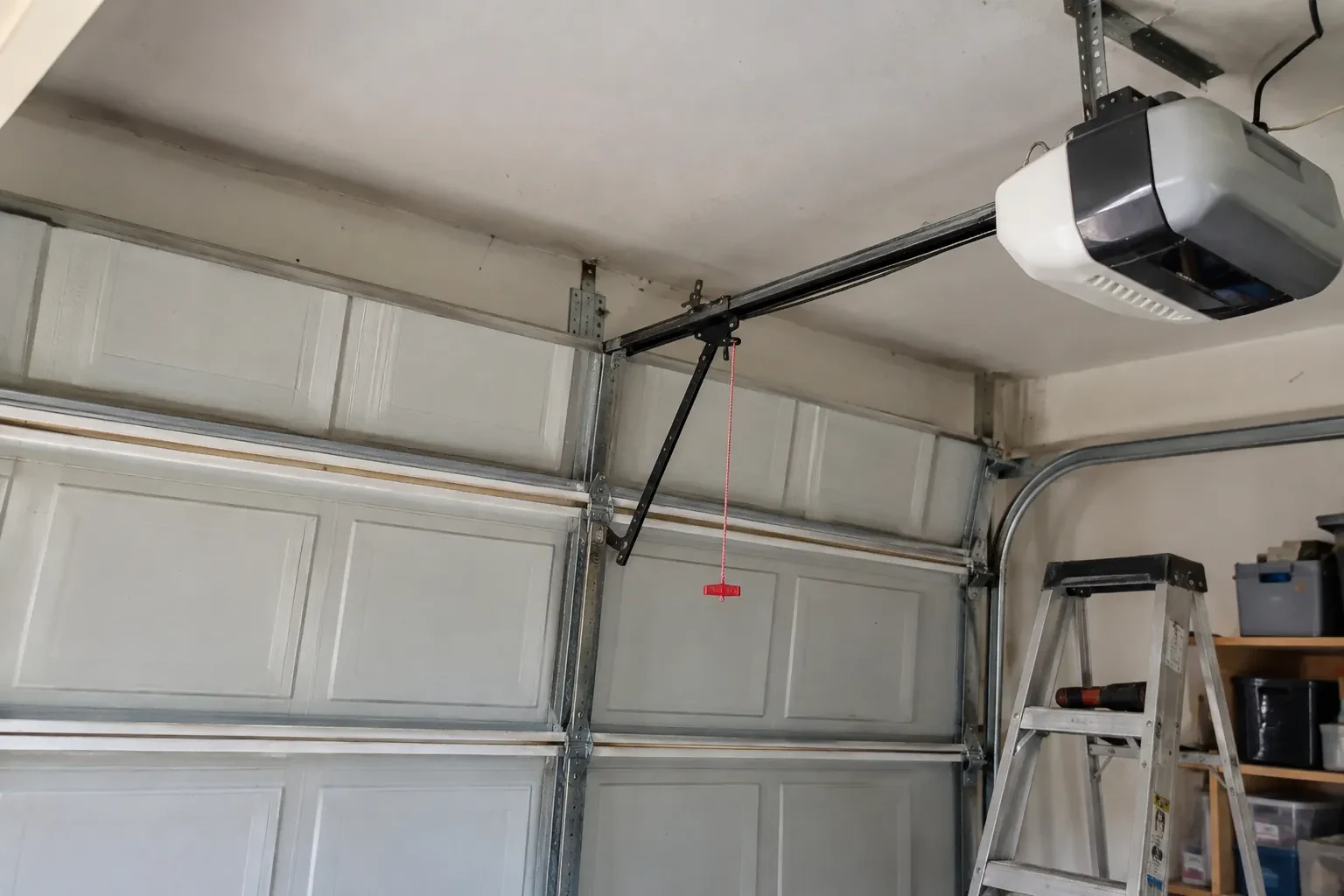
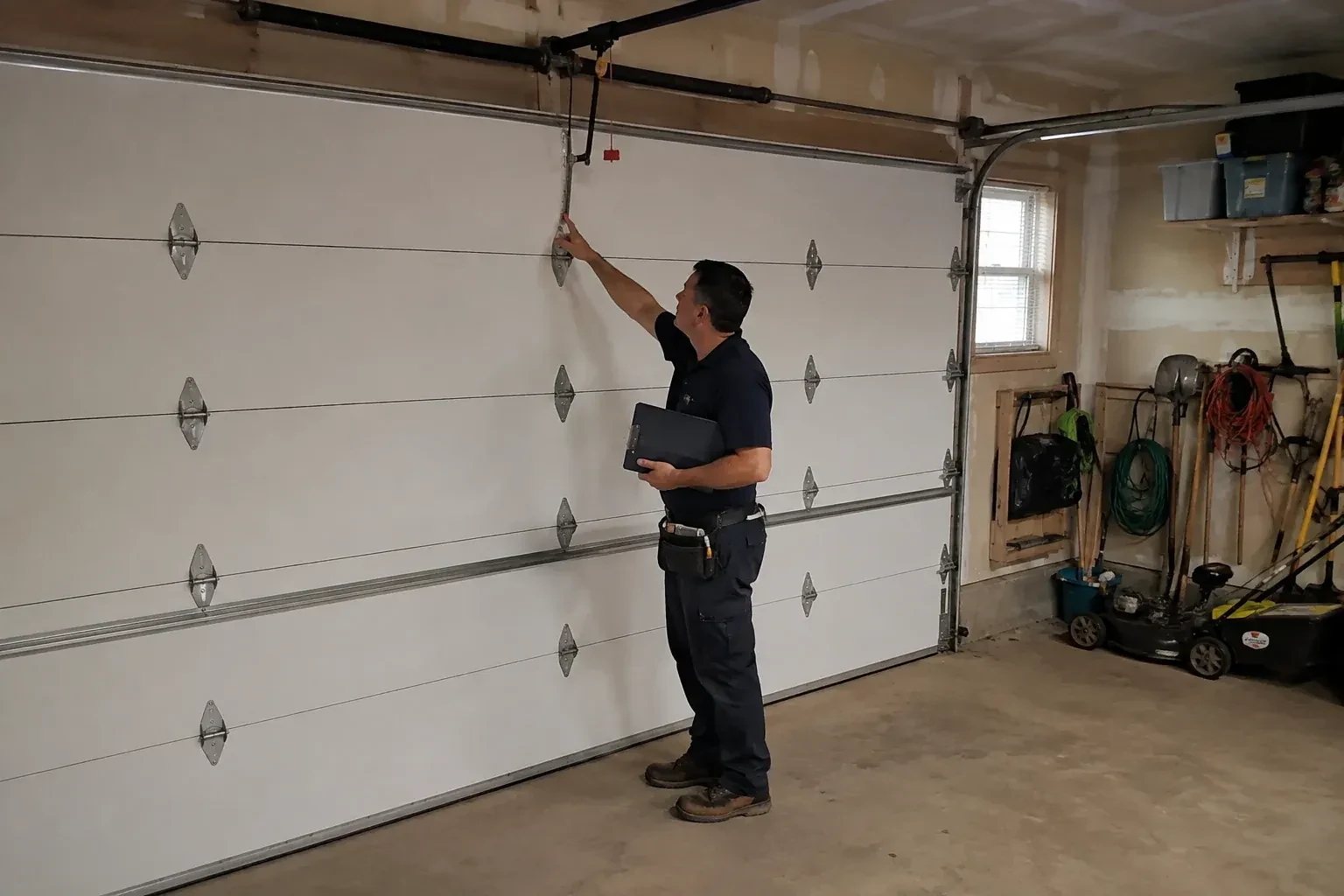
You pulled the red cord to open the door during a power cut and it barely moved. Lifting it took your whole weight, and when you let go it came down hard. It used to float up with one hand.
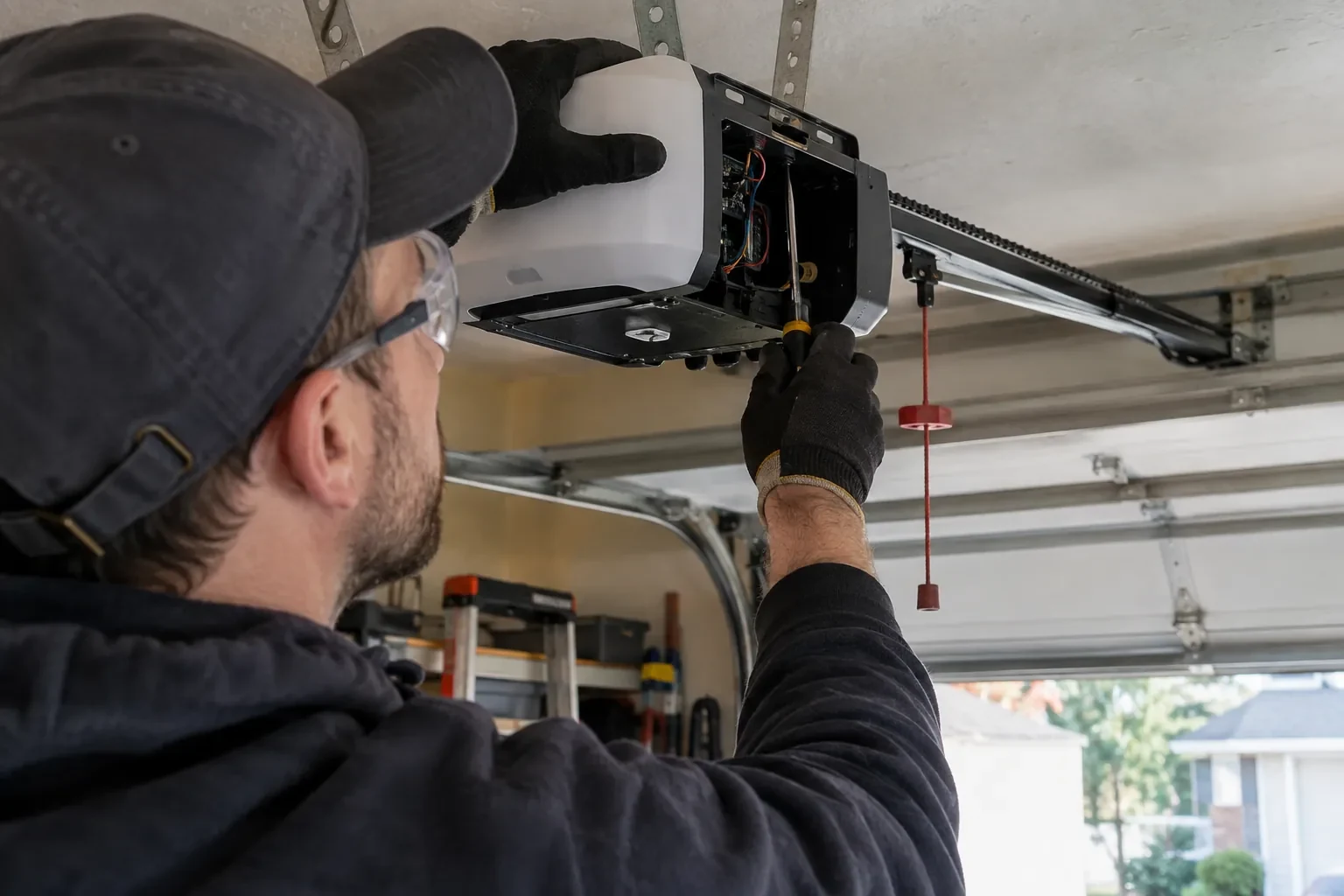
Someone tightened the belt last month to stop the sag. Now the opener sounds like a chain drive, the motor labours on the way up, and the whole rail vibrates under the ceiling.
The remote opens the door only when you are almost underneath it. From the end of the driveway you press five or six times and nothing happens. It started around the time the bulbs in the opener were changed to LEDs.
After an impact, the door has a deep crease across two panels. Rollers hesitate where those sections enter the curve, daylight shows beside the jamb, and the closed face no longer sits flat in the opening.
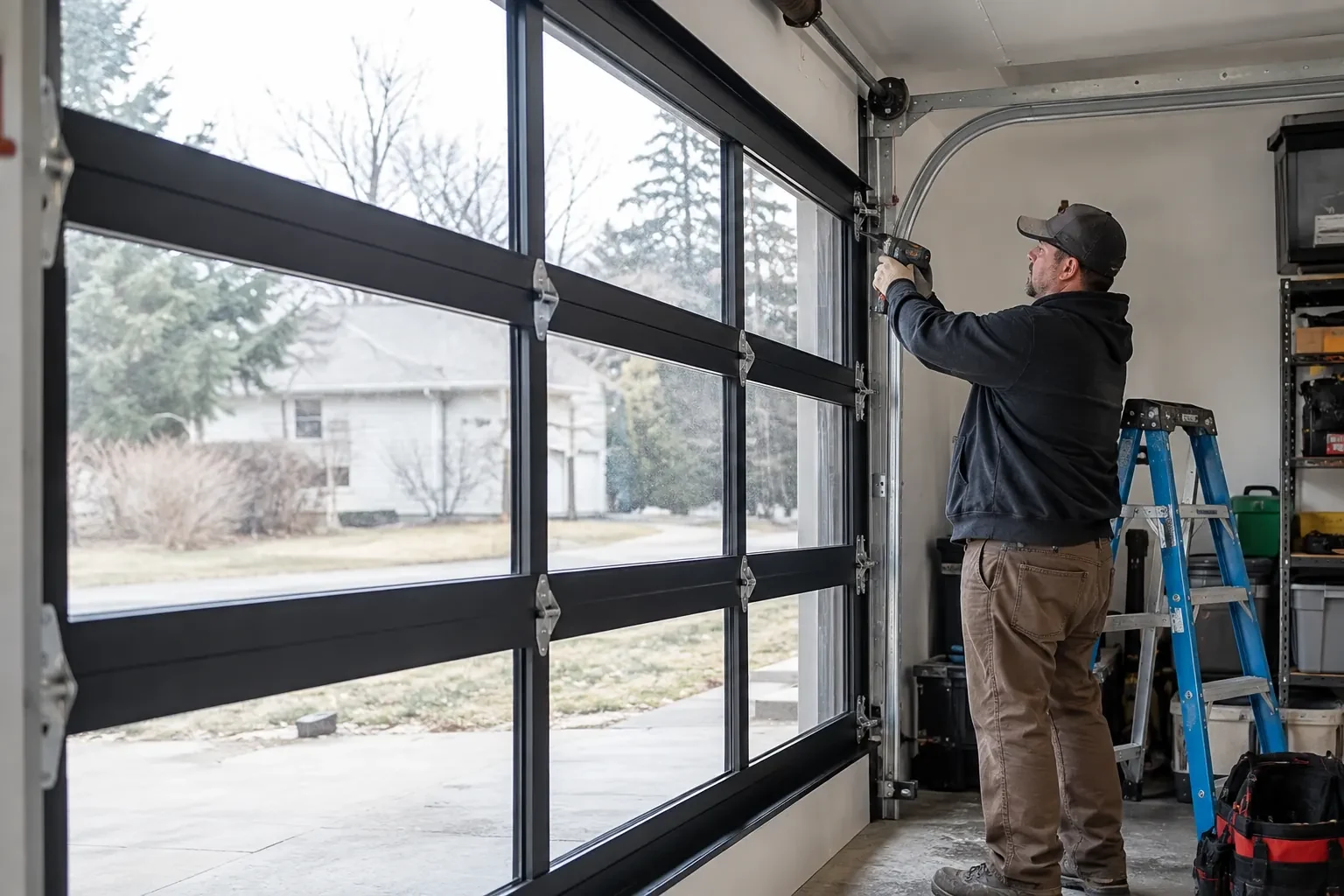
The current double door shudders when pressure changes outside, and daylight appears briefly along one edge. Its tracks are light, the jamb material is aging, and no one knows which reinforcement was originally specified.
Cold weather has exposed a widening gap below the closed door. The bottom retainer is bent, the rubber seal is split, and uneven seating lets drafts and slush enter the work area.
A taller van clears the closed opening comfortably, then loses useful space when the door is raised because the bottom section hangs below the ceiling. The issue is the open position rather than the doorway height.
Why does the seal freeze to the floor, and what should I do when it does?
Snow melts off the car, runs to the low point at the door and refreezes overnight around the seal. When that happens, leave the remote alone, since the opener will tear the strip or pull the door out of level. Free the seal by hand with gentle warmth along the line or by working a plastic scraper under it, then run the door. A film of silicone on the seal each autumn largely prevents it.
How do I lock the garage door during a power outage?
With the door closed, pull the opener's release cord so the trolley lets go of the door, then throw the slide bolt or turn the T-handle to lock. When power returns, unlock first, check both bars are clear of the track, and then re-engage the opener as its manual describes, usually by running it once. Keeping to that order is what protects the lock and the opener.
How does the technician tell rollers from hinges or track as the cause?
By watching where and when the trouble happens and then checking the parts in that spot. Rollers are spun and wiggled to reveal rough bearings and worn wheels; hinges are checked for cracks, elongated holes and loose bolts; tracks are checked for plumb, dents and spacing. A shudder at the curve tends to be rollers, a pop as sections pivot tends to be a hinge, and a rub the full height of the door tends to be track. Often more than one is involved, and the visit covers them all.
Could I switch to torsion springs instead of replacing the extension ones?
Sometimes, and it is worth asking. A torsion system needs room above the door opening for its shaft and a header that can carry the spring bracket, which many older garages with a low ceiling simply lack; extension springs are there for that reason. Where the headroom exists, a conversion is a separate job with its own hardware and quote. The technician can tell you on the spot which route suits your garage.
Can the belt just be tightened, or does it need replacing?
Tightening is the first thing tried. Tension is set at the inner trolley by a square nut that compresses a spring to the length the maker specifies. If the belt reaches that setting and runs without sprocket noise, it stays. If the adjuster is wound to its end and the belt still sags, or the rubber is cracked, glazed or missing teeth, a new belt is the right repair.
How long do I have after pressing the learn button?
Roughly half a minute on most openers. Press and release the button, then press the remote button you want to use until the opener light blinks or the unit clicks. If the window closes before you finish, simply press the learn button again and repeat. The window is short on purpose, so a passing signal cannot slip into the memory.
How is the old door removed?
Technicians disconnect the operator, stabilize the assembly and control the spring system before detaching cables or high-tension fixtures. Sections are supported and separated in sequence, followed by track and related hardware. The agreed scope states whether removed materials are taken away, while site protection keeps nearby finishes and belongings clear during dismantling.
Can a wind-rated door include windows?
Yes, when glazing is part of the selected configuration. Window size, position, retainers, and the surrounding section construction may affect the reinforcement layout, so the desired design is chosen before ordering. Factory-prepared glazed sections keep appearance, strength, sealing, and documentation aligned rather than turning windows into an alteration after installation.
Can one damaged section be replaced on its own?
Often it can, provided a compatible section is available and the surrounding panels, end stiles and hardware remain serviceable. Matching involves more than width and height: thickness, profile, insulation, joint shape, reinforcement and hinge pattern all matter. The technician also checks whether the impact shifted track or mounting points before deciding that a single-section repair is the right scope.
When is high-lift conversion a practical choice?
It is practical when an existing sectional opening has meaningful wall height above it, enough ceiling depth for the horizontal run, suitable support conditions and a clear reason for gaining overhead room. The door, counterbalance and operator must be designed together. A measured feasibility plan confirms the usable clearance before installation becomes the next step.
Request a visit
A phone call to us from Cannington gets a real conversation, not a script. We ask about the door, suggest what might be going on, and arrange a visit. What we hold back is the number: that comes after the technician has stood in front of the door and measured what it needs.