Garage Doors in Port Bolster, OntarioWarmer abovethe garage.
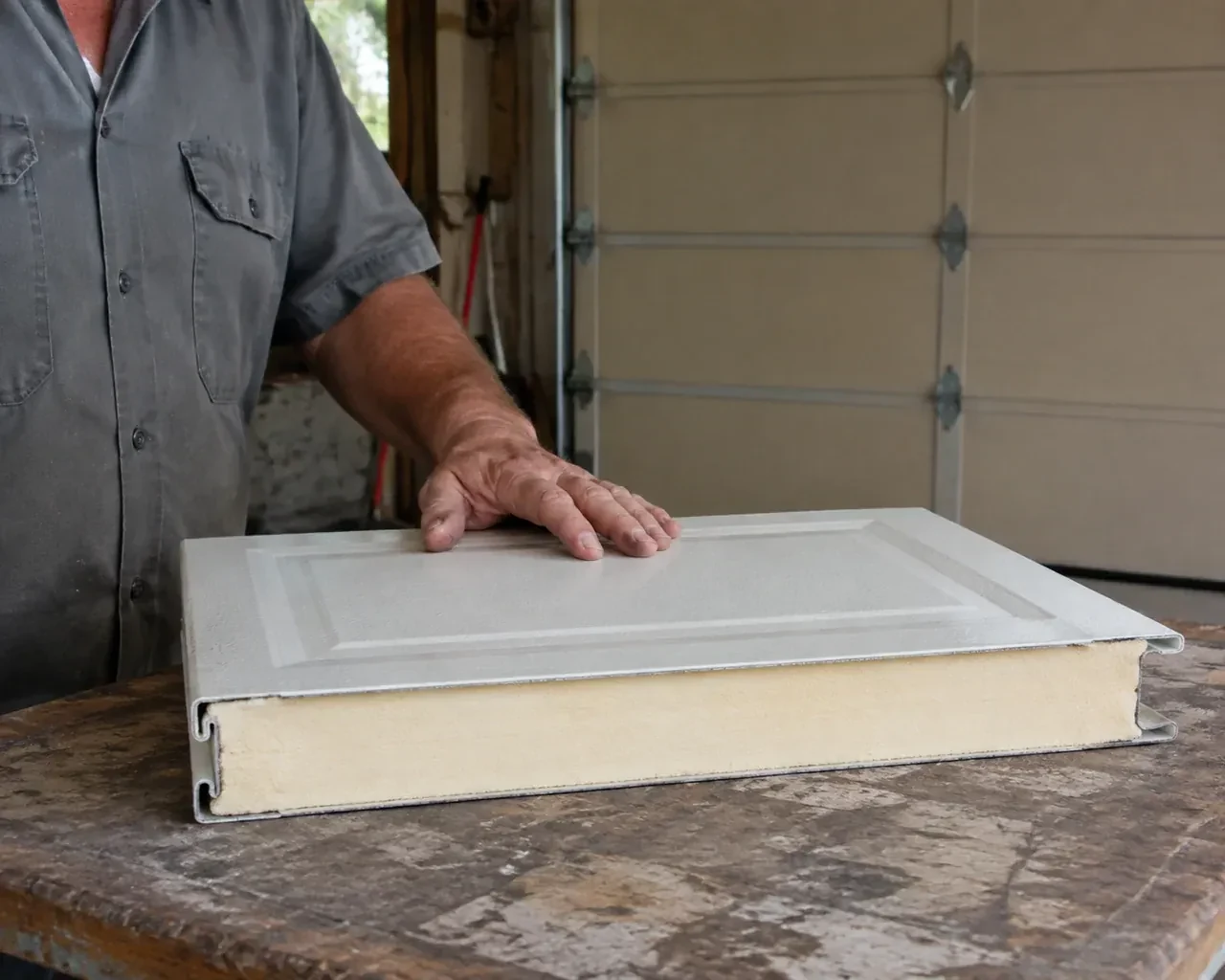
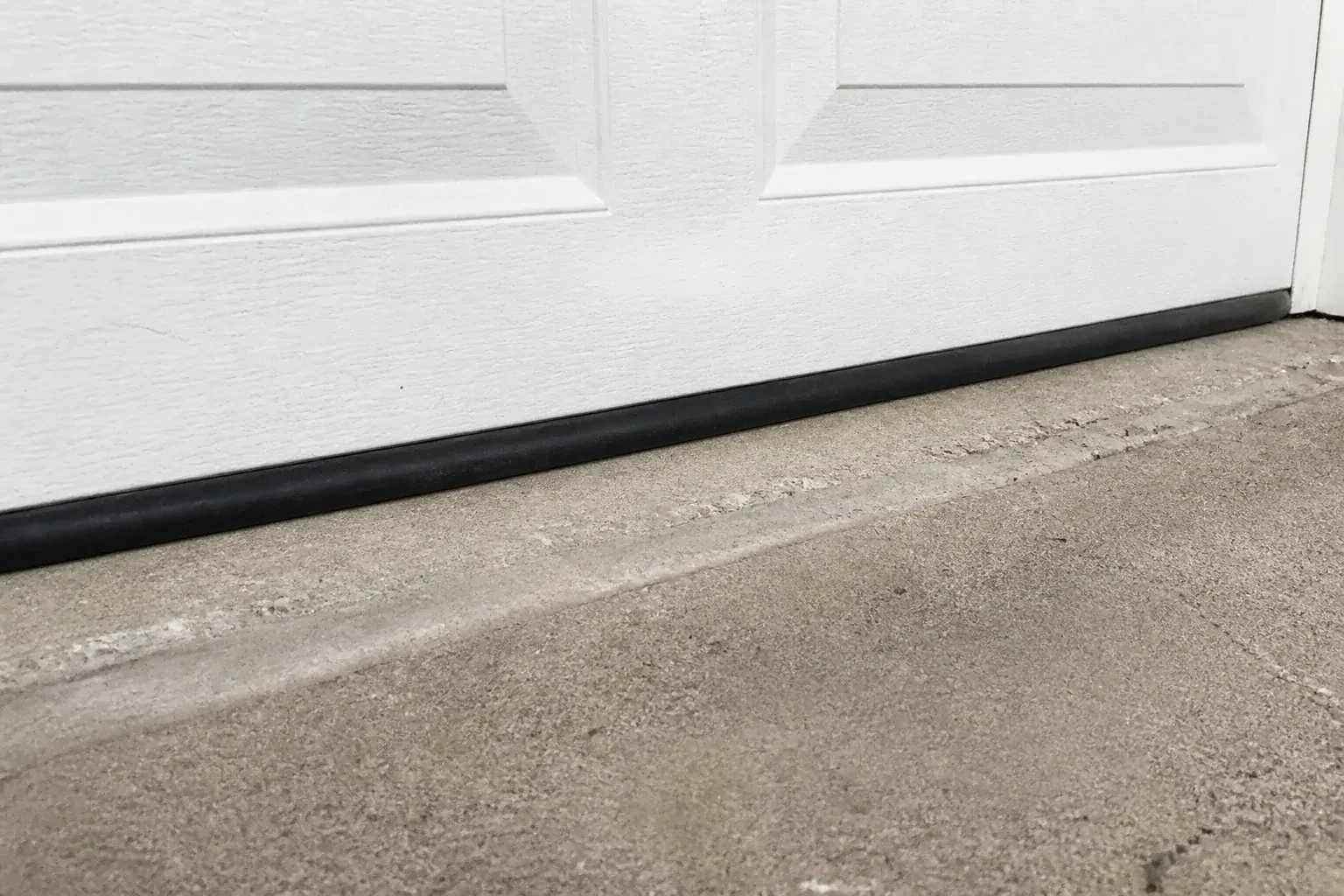
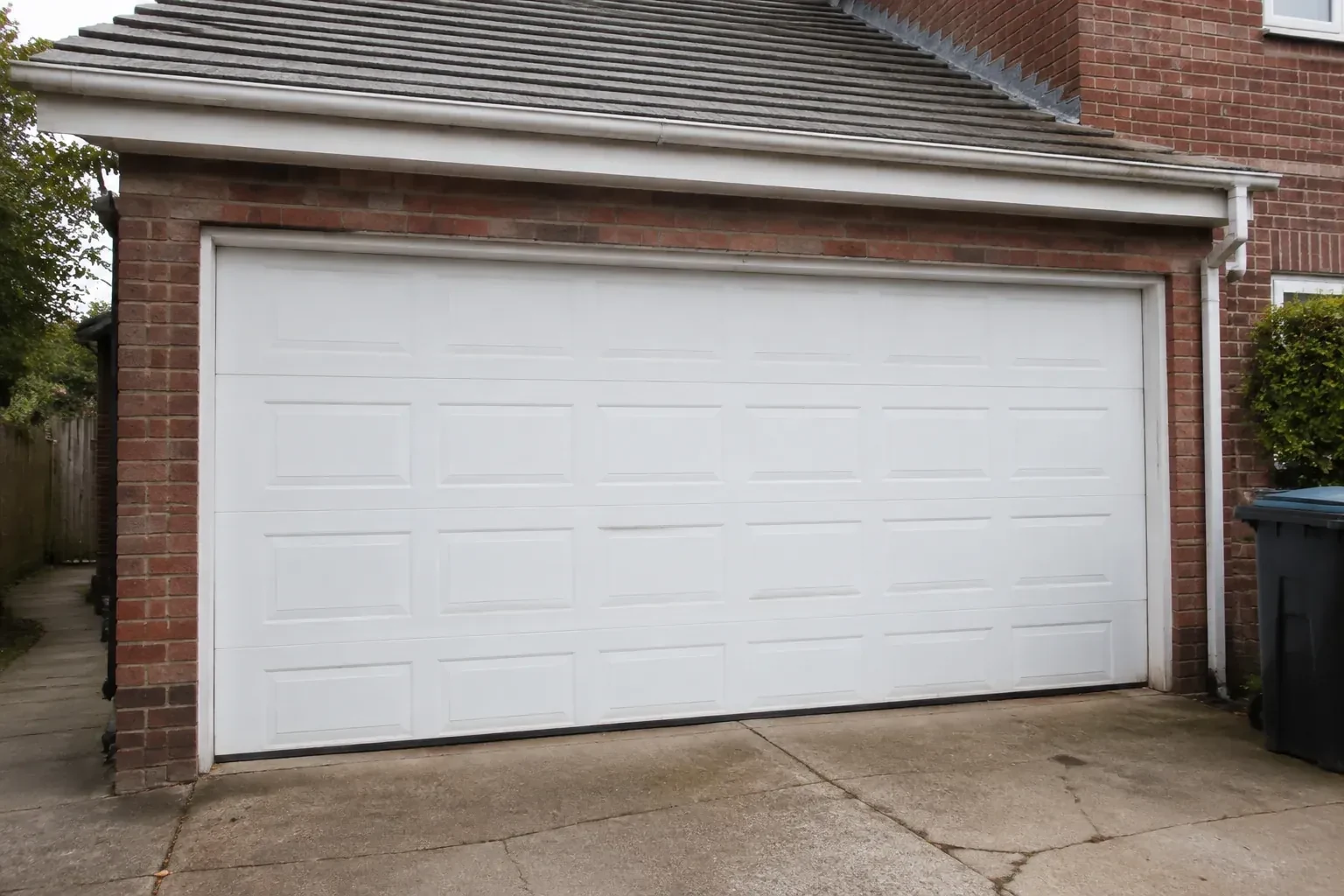
When a bedroom or office sits over the garage in Port Bolster, the door is part of the building envelope. An insulated door, tight weatherstrip and a properly adjusted bottom seal make that room noticeably more comfortable in January and July alike, and the difference shows up on the heating bill. This page also covers Maple Beach, Marina Estates, Riverview Beach and Thorah Beach.
When a bedroom or office sits over the garage in Port Bolster, the door is part of the building envelope. An insulated door, tight weatherstrip and a properly adjusted bottom seal make that room noticeably more comfortable in January and July alike, and the difference shows up on the heating bill. This page also covers Maple Beach, Marina Estates, Riverview Beach and Thorah Beach.
Keeping the weather on the outside.
We aim to leave every garage in Port Bolster with a door that runs smoothly, closes fully and stops for anything in its path. That means balance set, tracks aligned, hardware tight, sensors tested and remotes working, whatever the original call was about, because a door is only fixed when all of it works.
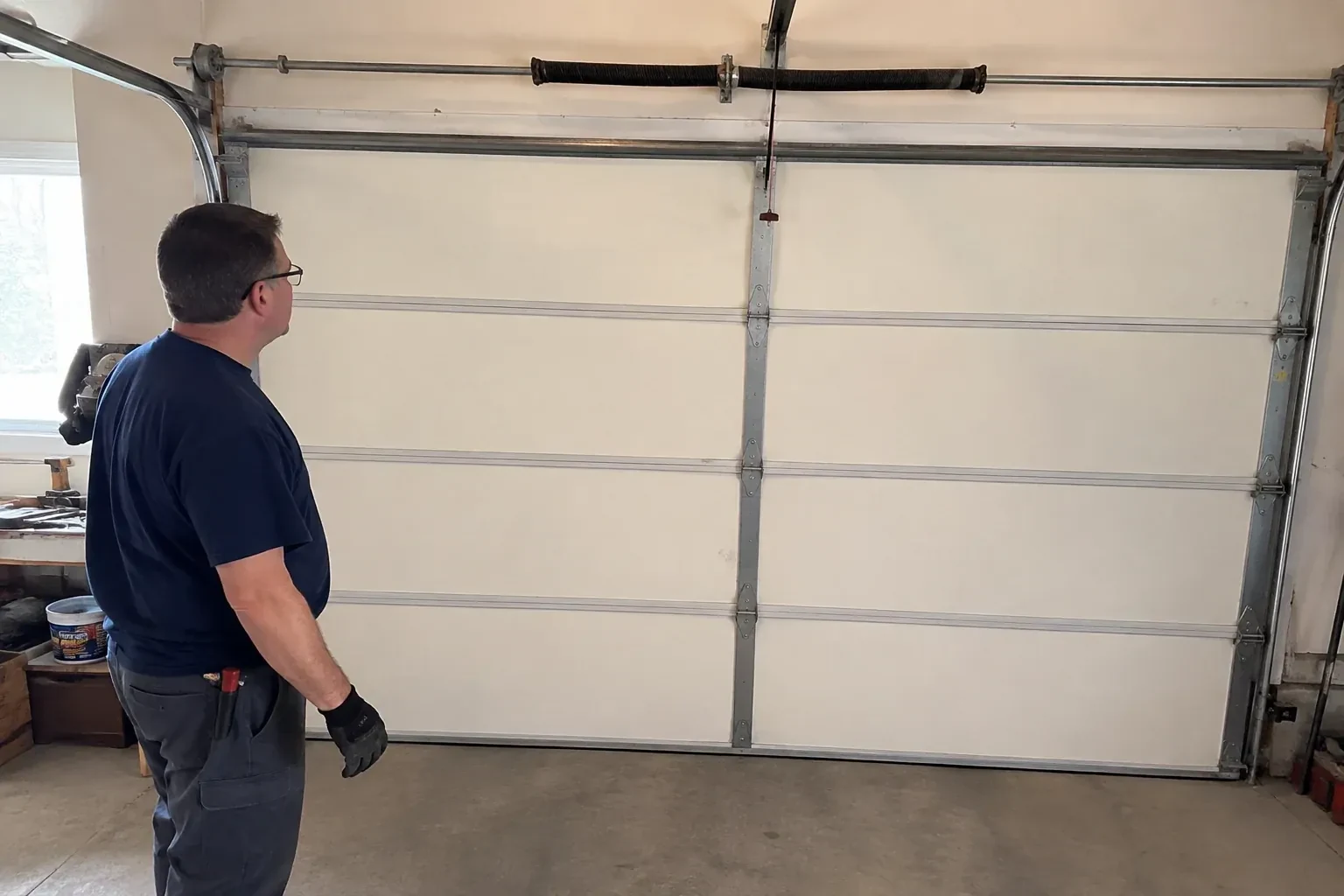
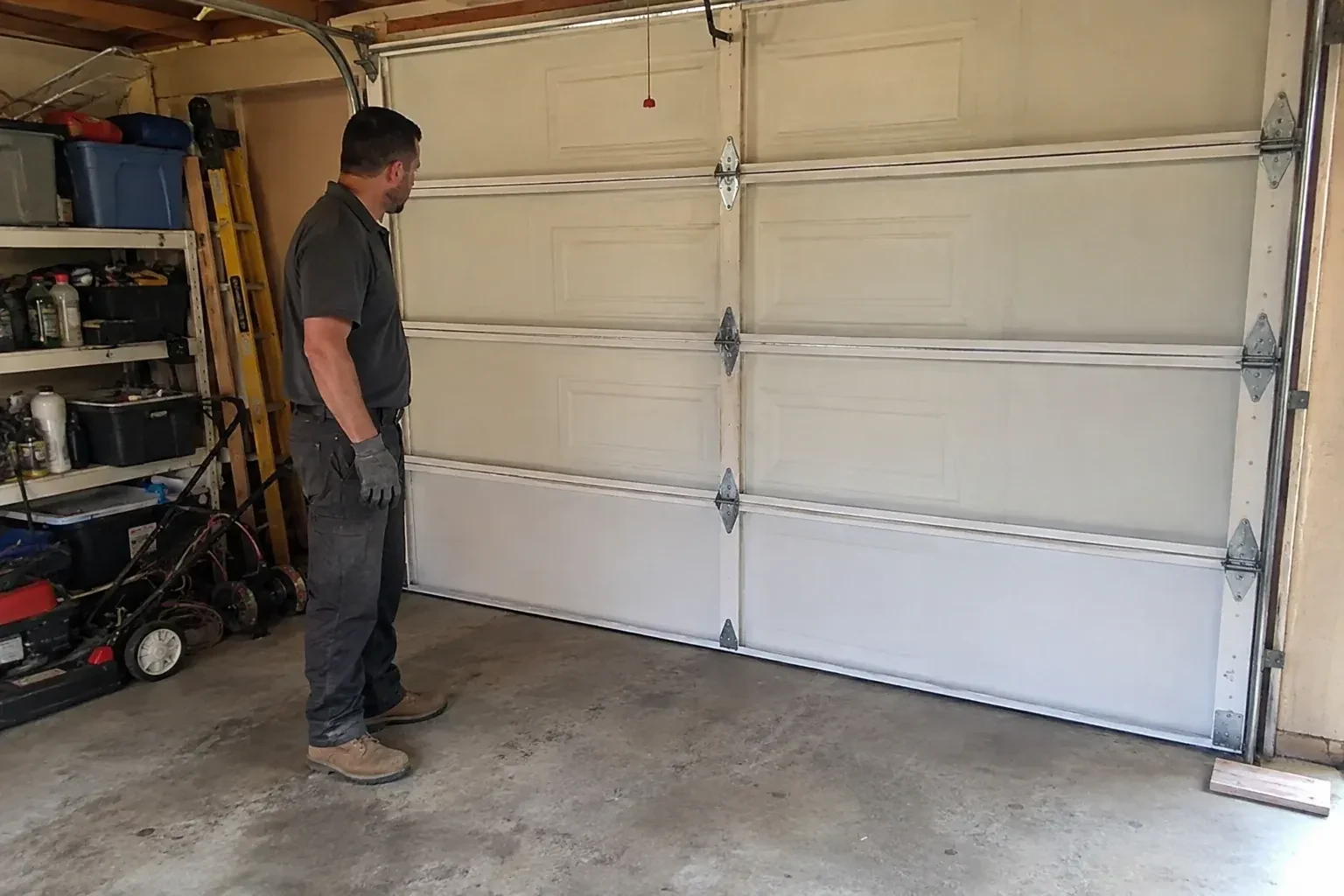
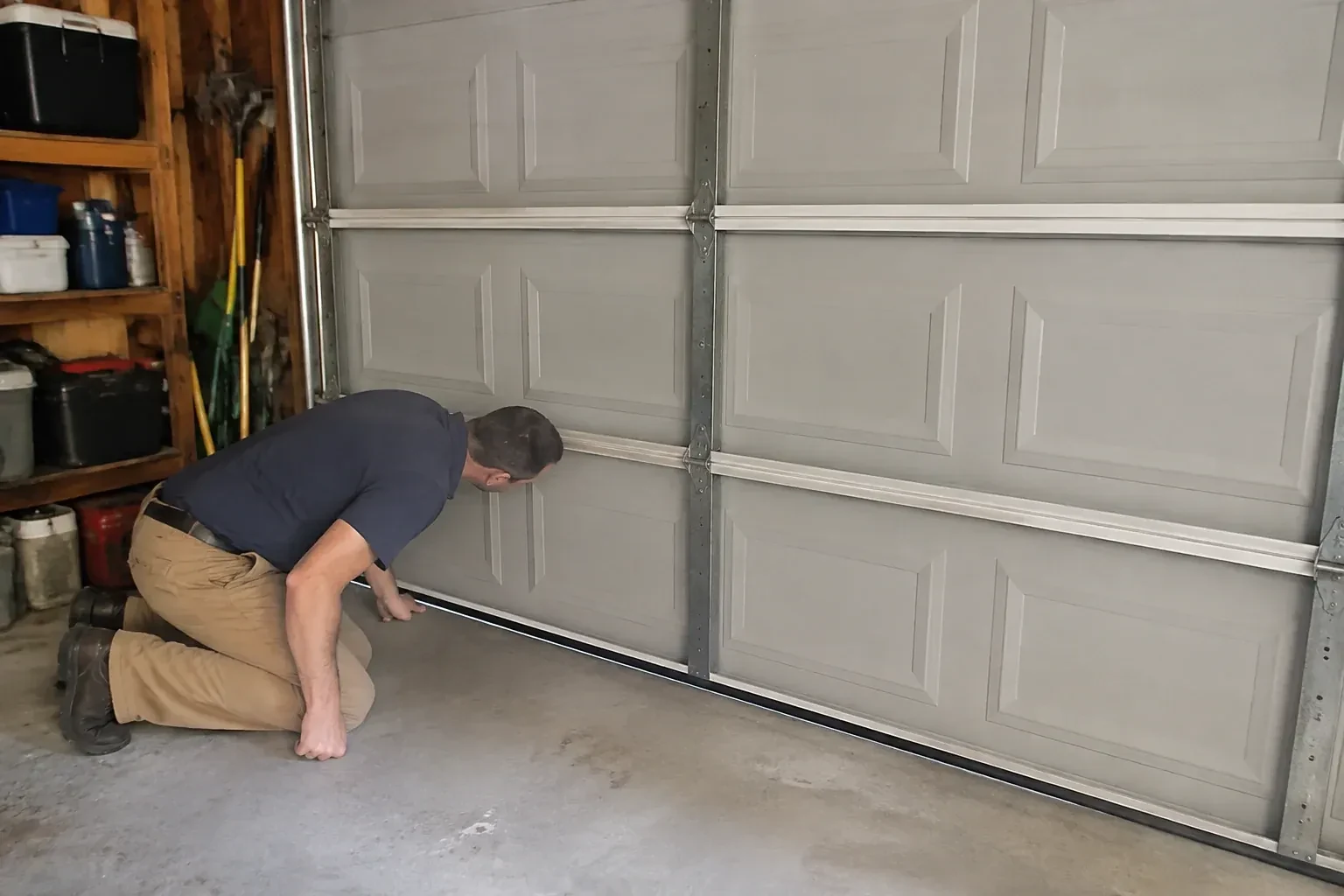
Every garage door repair we do in Port Bolster ends the same way: the door is cycled several times with you watching, the old parts are shown so you can see what was wrong, and the technician explains what to keep an eye on. It is a small ritual, and it means the fix is seen rather than described. The garage is left as tidy as we found it.
12years in business
24/7open every day
A technician who talks. You hear what we are checking and why, in real time. Ask anything; the explanation is part of the job.
Mess that leaves with us. Debris, packaging and the old spring go with us. Your floor and your car look the same after as before.
Your decision, informed. We put the choices on the table with their pros and cons. Whether to repair, upgrade or replace stays with you.
Book the visit that gets your Port Bolster door moving again.
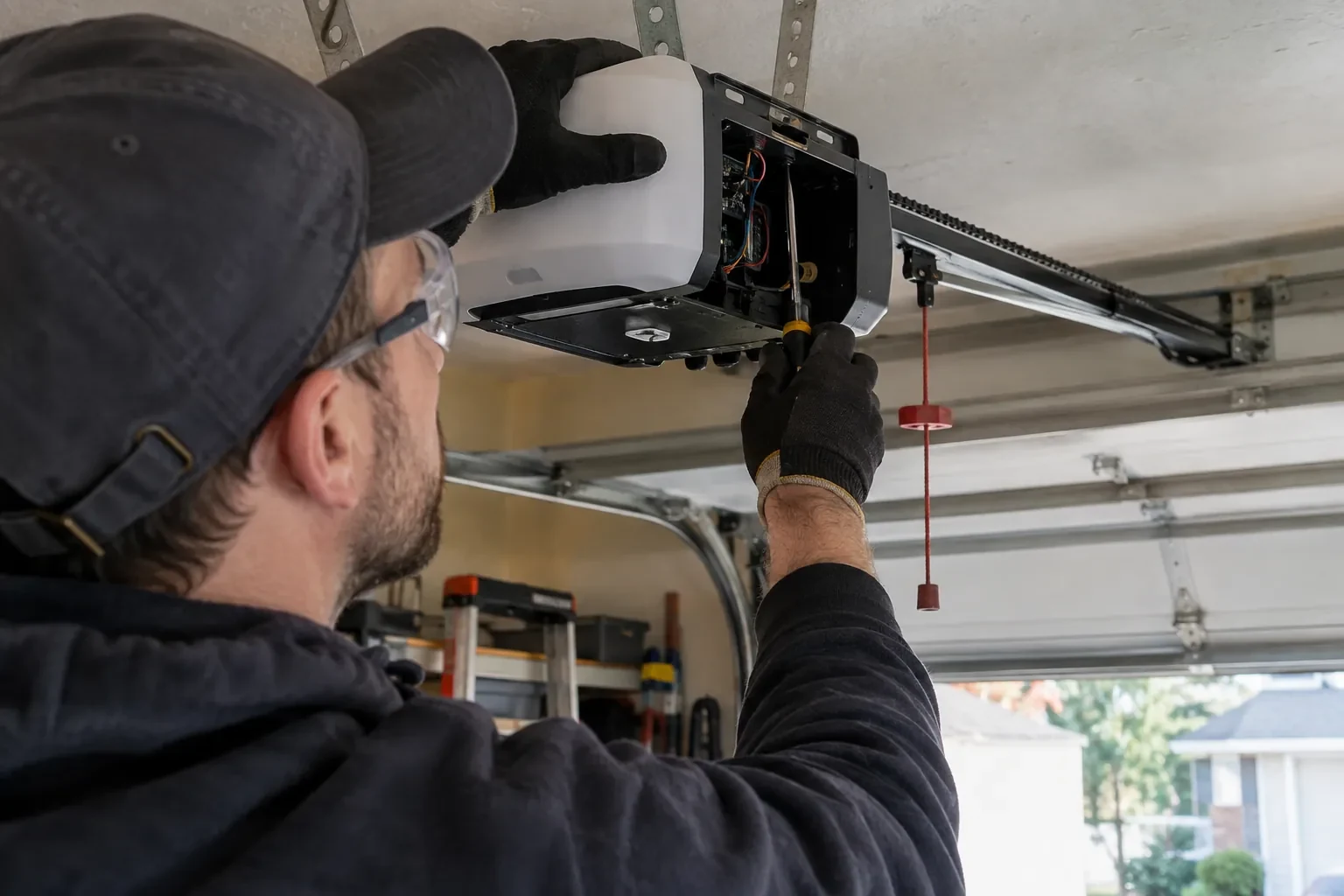
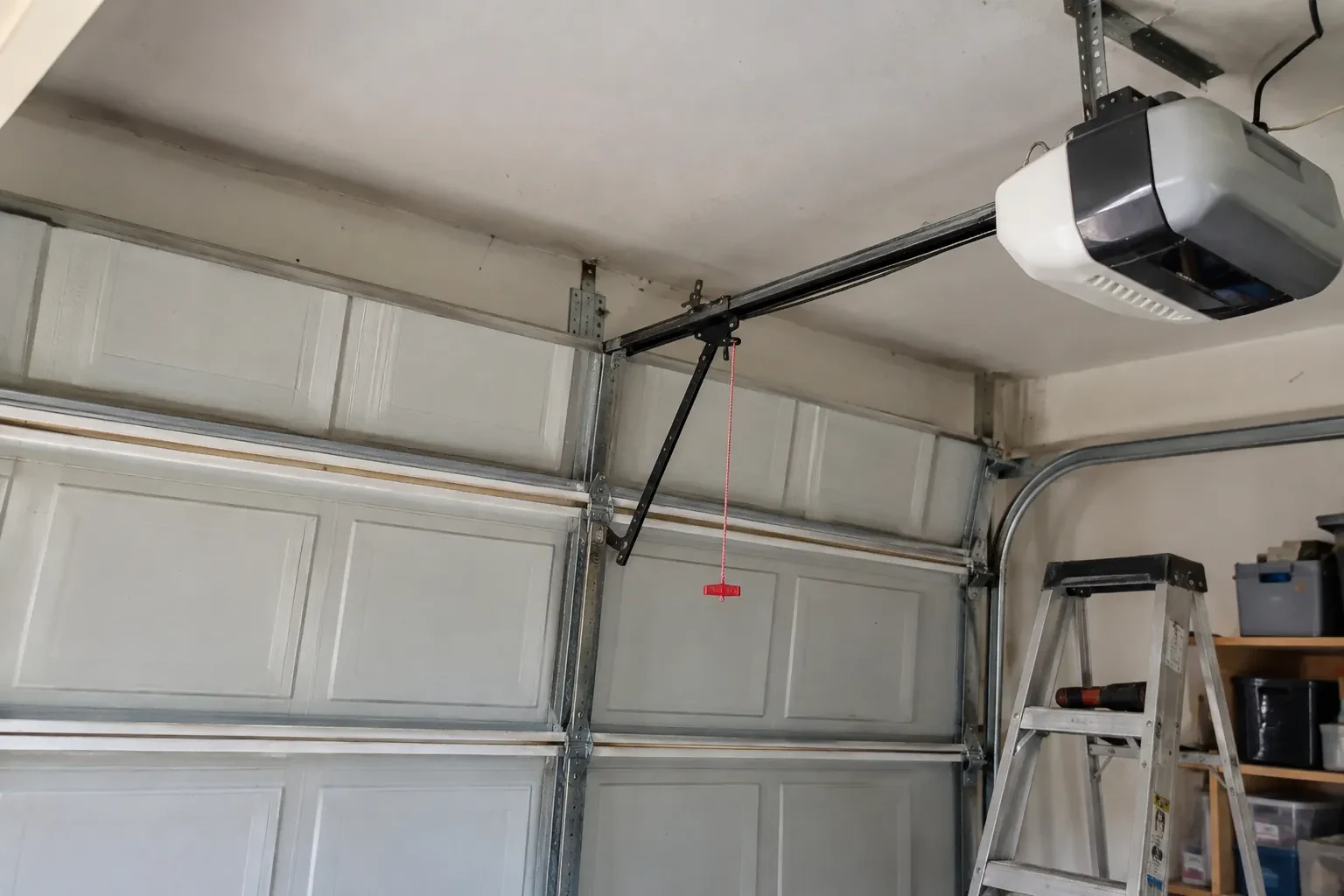
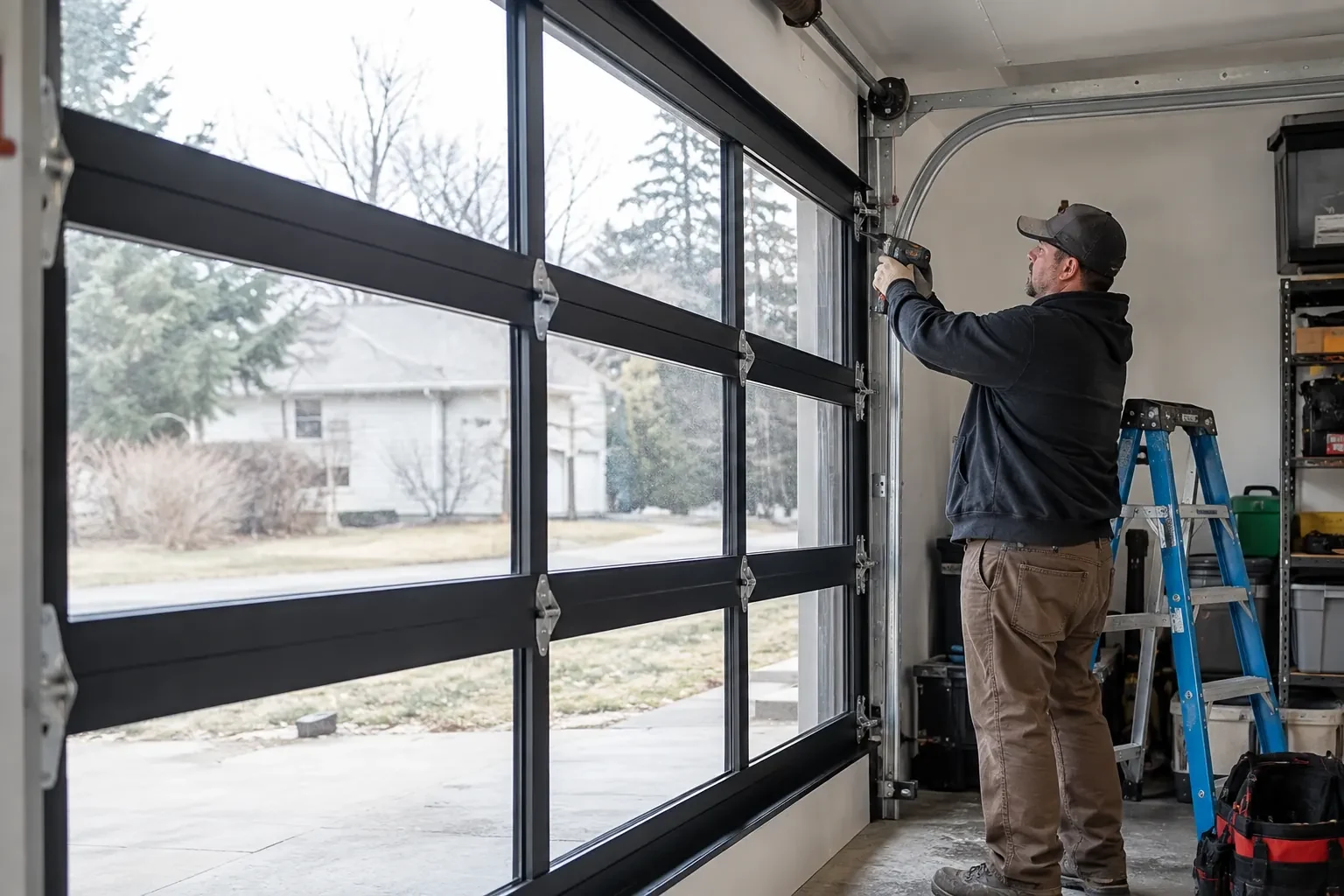
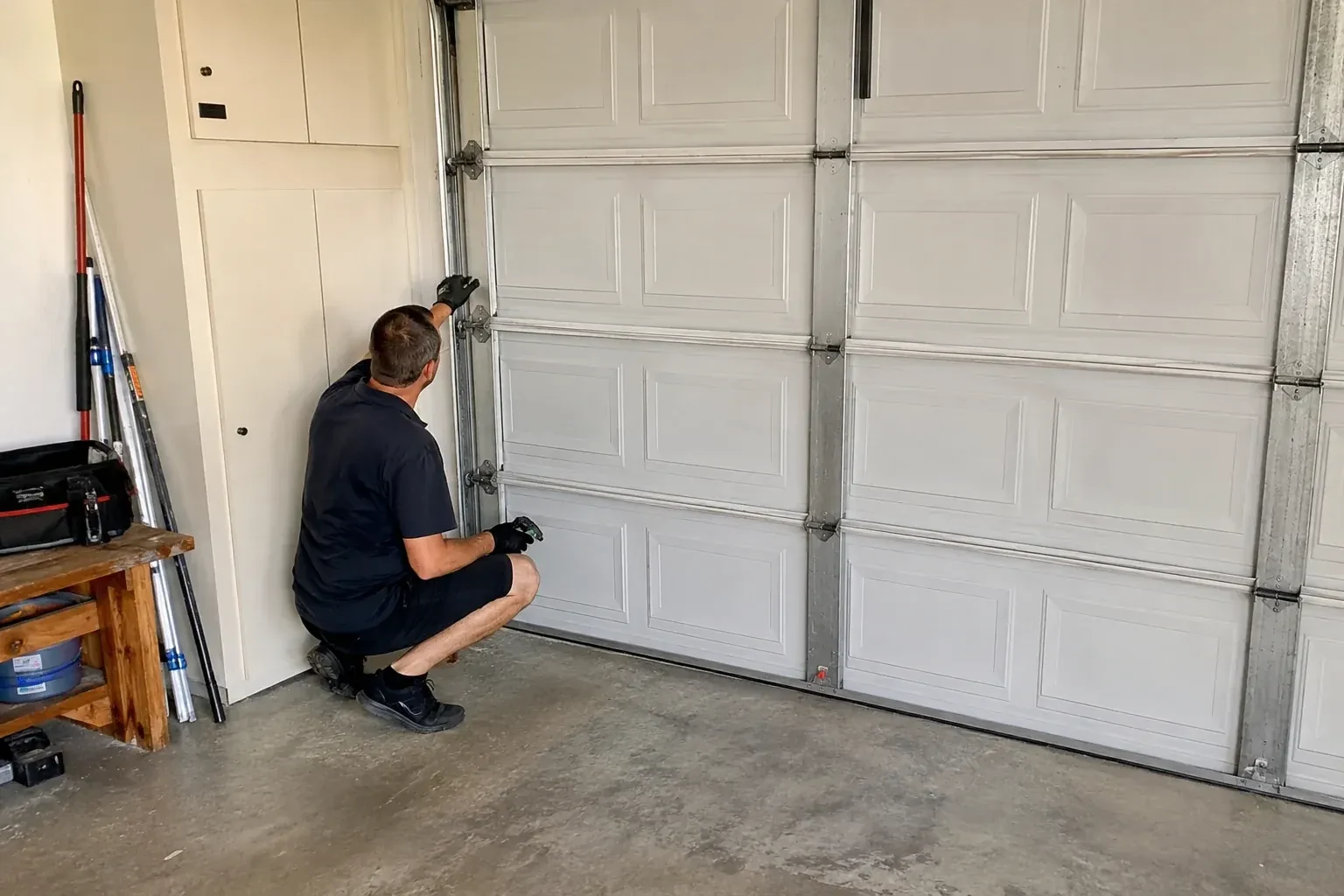
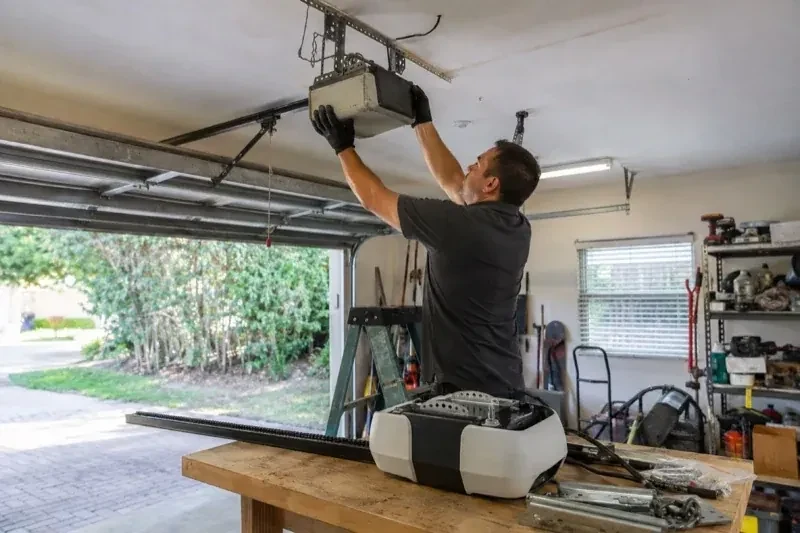
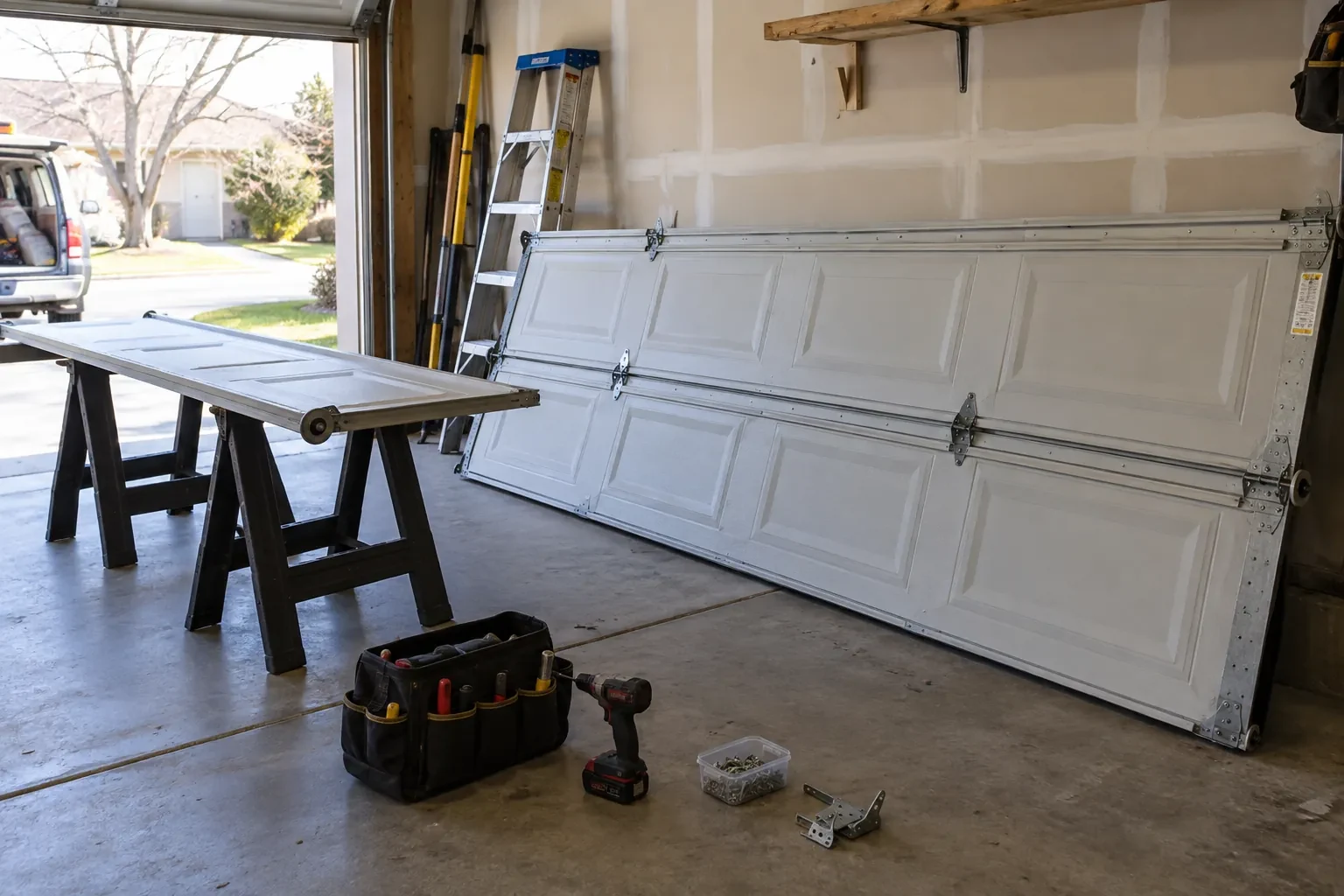
Our garage door services for Port Bolster are written up one by one so you can read exactly what happens during the visit. Spring and cable replacement, off-track repair, opener diagnosis, remote programming, weatherstripping, tune-ups, panel replacement and full door installation are all described in plain words.
About 43% of homes in Georgina were built in 1980 or earlier, according to the 2021 Census.
A mixed-age neighbourhood is where retrofits are most common: safety cables added to extension springs, a torsion conversion on an older door, insulated panels replacing a hollow door, or a quieter belt opener under a newly finished room above the garage. Each is a routine job for us.
Single-detached houses make up about 83% of homes in Georgina (2021 Census).
Mostly houses
Where houses are detached, a side door into the garage and an interior door into the house are common, so the garage door is one of several ways in. Making sure it closes fully, locks properly and has its old remote codes cleared keeps the whole house secure.
There is a new sound. Last week the door simply hummed up and down; now there is a bang at the top of travel and a scrape on the way back, and you have started standing well back while it moves.
The morning after a thaw the opener groaned, the door stayed stuck to the icy floor for a second, then lurched up crooked. It stopped halfway with a grinding scrape and has not moved since.
Years of slap shots have peppered the lower two sections with dents. Each one alone is small, but from the street the door looks tired, and the deepest dent near the centre has cracked the paint and shows bare steel.
The door is the one the builder installed and has never had a part changed. It works, but it clatters, the wheels are hard white plastic with no bearings in them, and the opener sounds like it is labouring more each season.
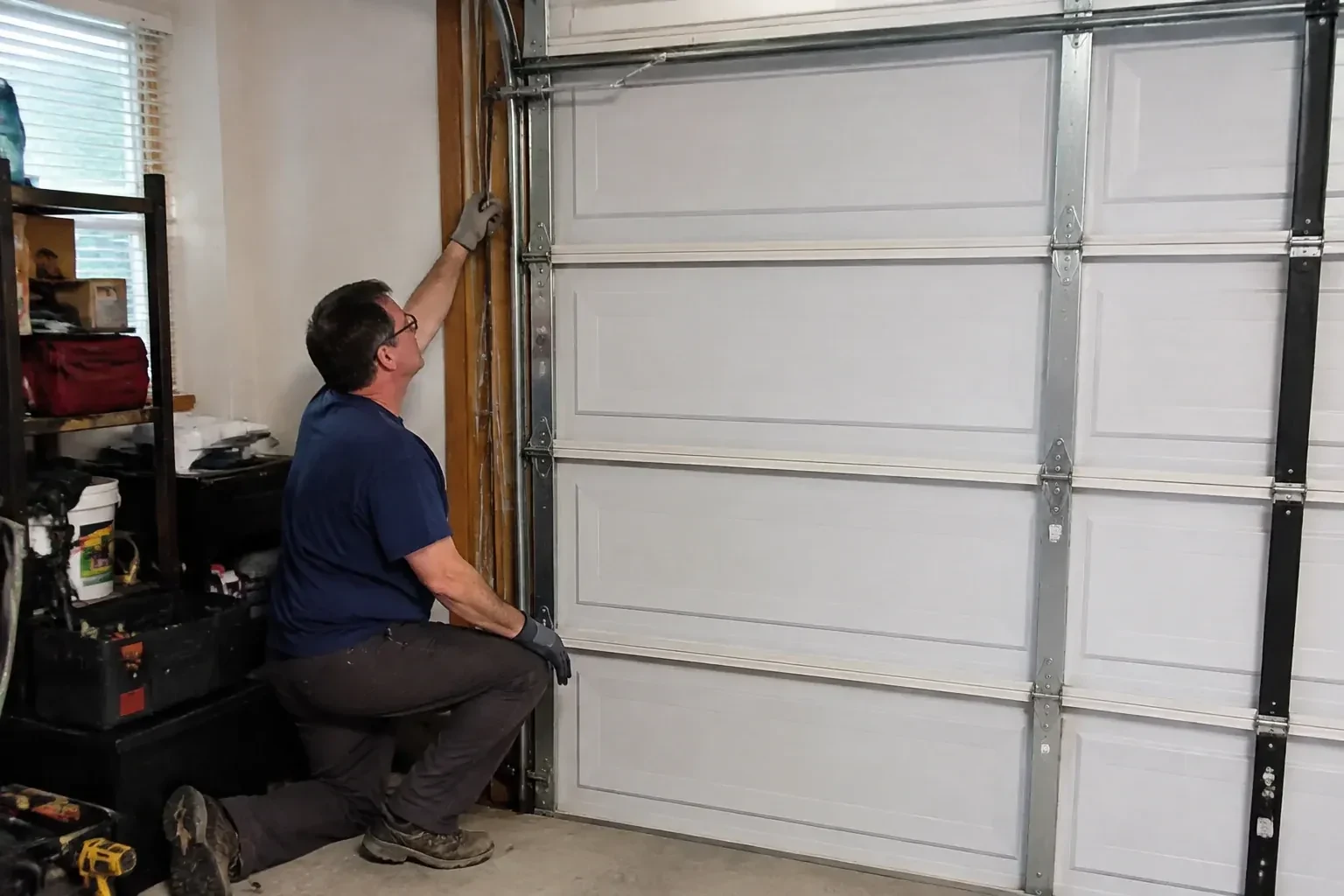
There was a sharp crack from the garage, and when you went to look the door had dropped on one side and jammed. A length of cable lies coiled on the floor by the bottom roller.
Since the storm the door behaves oddly: it reverses halfway down for no reason, the light flickers, and the travel limits drift so it either slams or stops short. The board inside is discontinued and the last repair only bought a few months.
A previous owner knotted the release cord around the rail and stacked storage shelves right beneath it. You only discovered this in the dark, with the power off, a flashlight in your teeth and a car that needed to be somewhere.
The opener strains as the heavy older door starts upward, and manual movement feels uneven. A new insulated assembly calls for counterbalance hardware matched to its actual weight and a compatibility check for the operator.
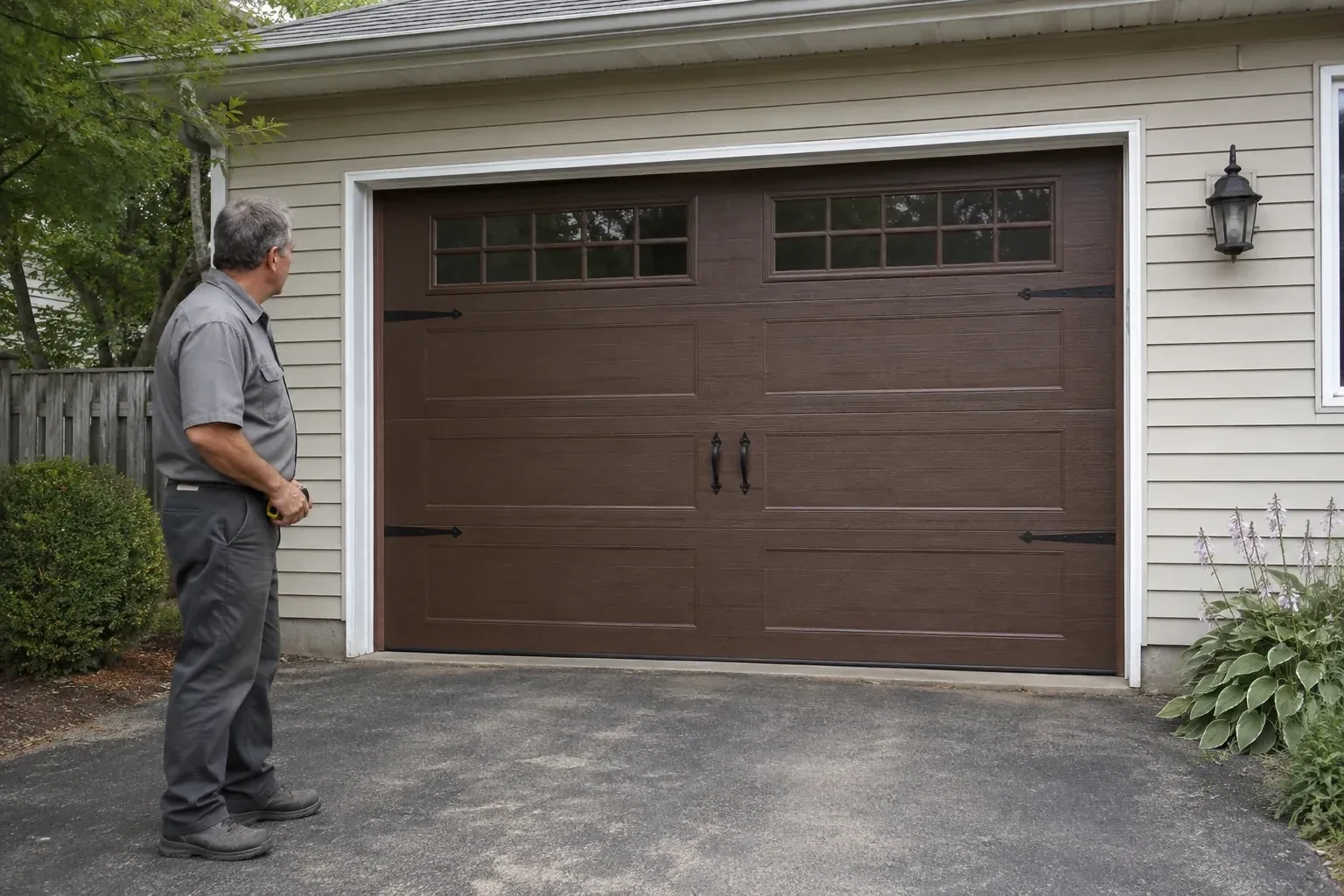
You appreciate the grain and depth of traditional wood doors, though regular refinishing is not part of your plan. A durable carriage-house surface can create a similar visual effect with simpler upkeep.
A beam, sloped ceiling or duct crosses the space above the new opening. The door still needs a clear path, which makes headroom, backroom and the right track arrangement central to the plan.
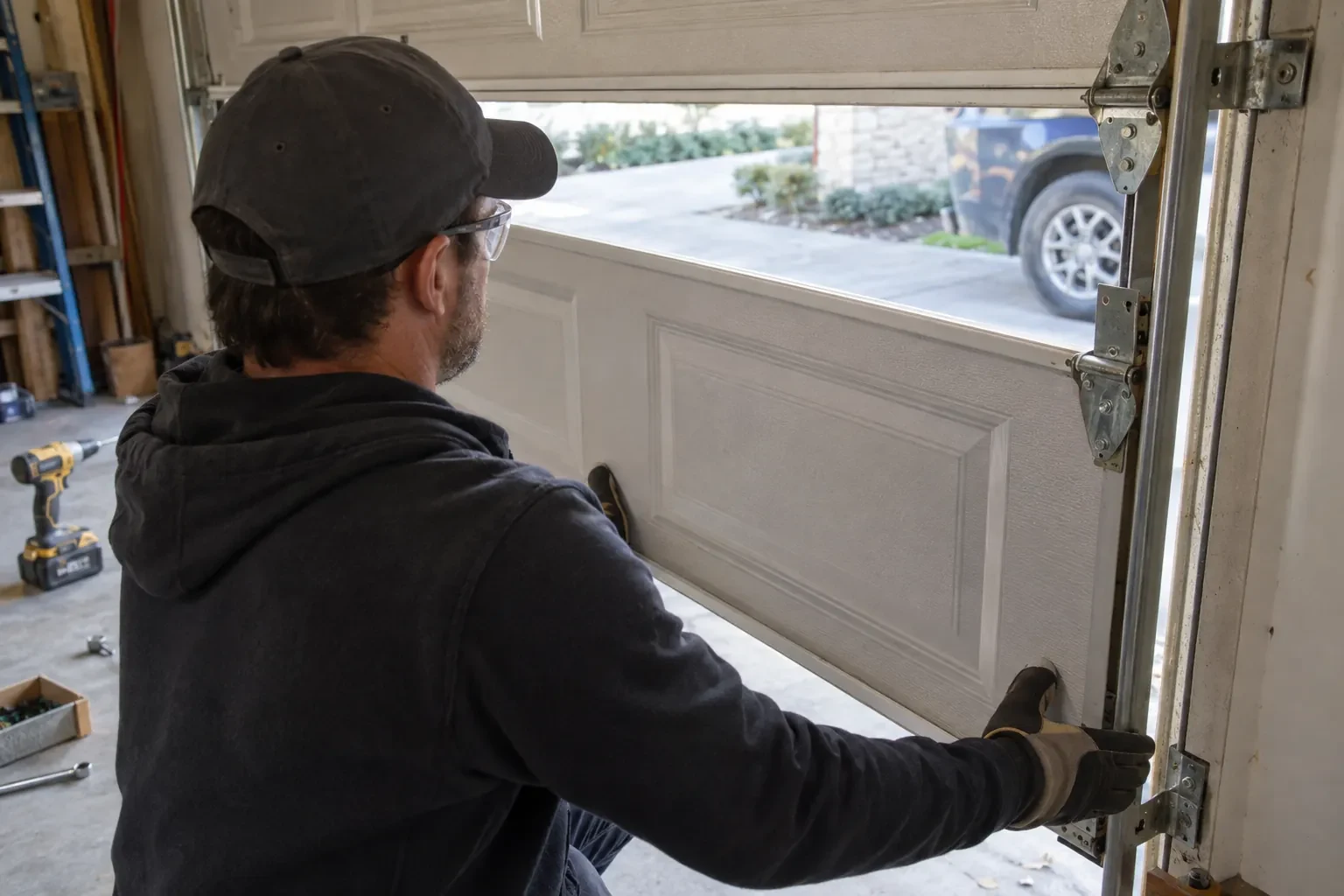
Panel replacement on a door that is still sound belongs in repair. A door where several sections are gone, the tracks are rusted and the springs are past their life belongs here, and we will tell you which case yours is.
WhyWhich counterbalance your door has shapes the job.
Since the storm the door behaves oddly: it reverses halfway down for no reason, the light flickers, and the travel limits drift so it either slams or stops short.
Why does my door reverse on the way down for no reason?
Most often it is the photo eyes. A sensor knocked slightly out of line, a lens with a film of road grime, a loose wire, or low afternoon sun shining straight into one eye will each break the beam as far as the opener is concerned. The next candidates are a down-force setting that has drifted, a binding roller or a door that has gone out of balance. The inspection checks each in turn.
Will the opener need adjusting afterwards?
Sometimes, but not always. Once the door runs true by hand, the trolley is reconnected and the opener is checked against its own travel limits and force; those are only reset if that check shows they have drifted, since many openers need no force change after a repair like this. The reversal is then checked against a block laid in the door's path and by interrupting the photo eyes from a safe distance. If the opener strained hard during the event, its arm and bracket are checked too.
How much room do you need in the garage on the day?
Enough to bring the new section in, lay it flat, and work at both tracks and the spring shaft. Moving vehicles out of the garage and clearing a metre or two along the walls where the tracks run makes the job smoother, as does clear access to the opener and the ceiling around the spring. Sections are handled by two people and are wider than the door opening, so a clear path from the driveway helps.
How does the technician tell rollers from hinges or track as the cause?
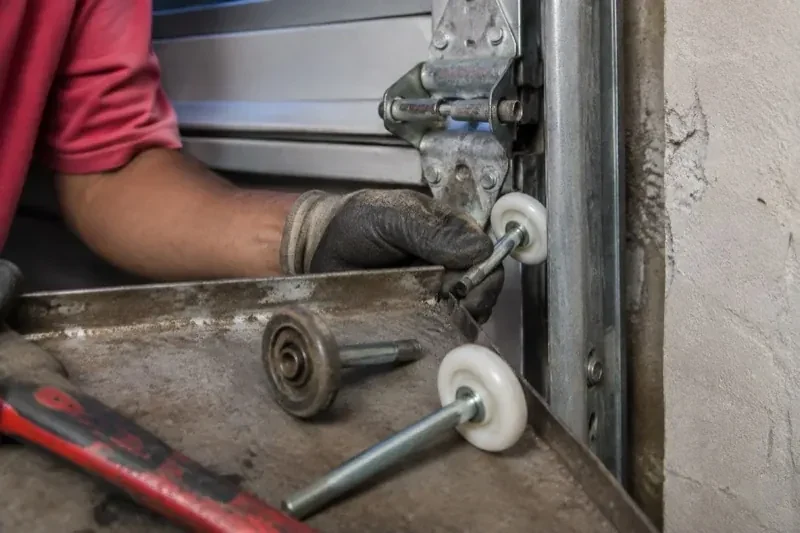
By watching where and when the trouble happens and then checking the parts in that spot. Rollers are spun and wiggled to reveal rough bearings and worn wheels; hinges are checked for cracks, elongated holes and loose bolts; tracks are checked for plumb, dents and spacing. A shudder at the curve tends to be rollers, a pop as sections pivot tends to be a hinge, and a rub the full height of the door tends to be track. Often more than one is involved, and the visit covers them all.
Should both cables be replaced when only one has failed?
Yes, as a rule. The two cables were fitted together, have flexed around their drums the same number of times and have sat in the same slush, so the survivor is close to the end of its life. A new cable beside a stretched one also makes it harder to set the door level. Two matched cables give an even lift and one visit instead of two.
My garage ceiling is low and full of storage. What are my options?
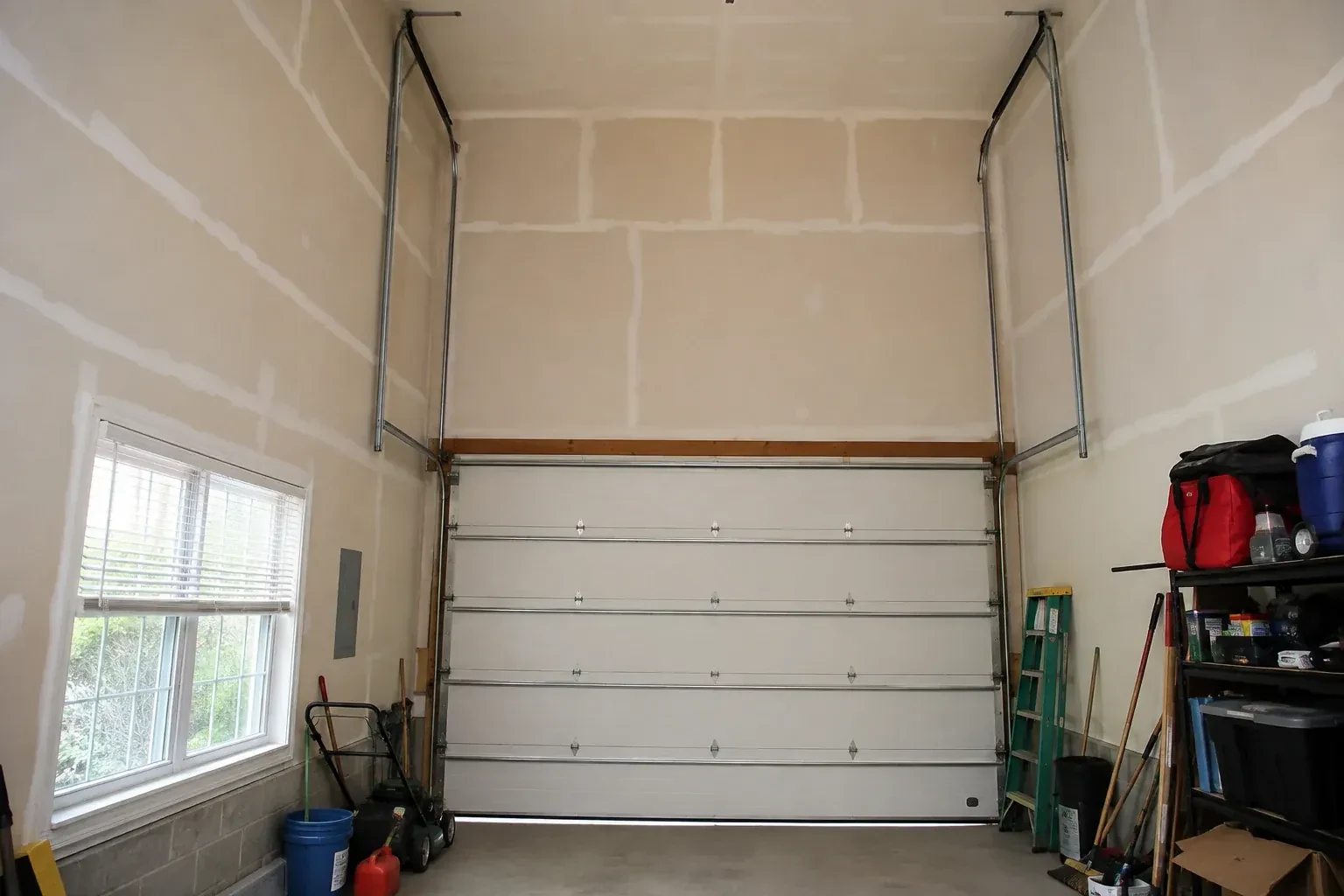
Two good ones. A low-headroom kit lets a standard operator work where the open door sits close to the ceiling. Going further, a jackshaft unit mounts on the wall where the spring shaft ends and drives the door from there, so the whole ceiling stays empty for shelving, a mezzanine or a car lift. That route needs a door on torsion springs and a little clearance beside the shaft, which the technician measures on site.
The motor hums and the trolley is jammed at the end of the rail. What happened?
The trolley has been driven into the stop bolt or stop tab, usually because the travel limit let it run too far. The technician frees it by pulling the release, slackening the chain or belt a few turns, running the motor so the trolley walks off the stop, then correcting the travel limit and re-tensioning the drive. The reversal tests are repeated afterwards, since the limits were changed.
How should I prepare the garage for installation?
Move vehicles out and clear floor space across the full width of the opening plus a useful working area inside. Remove hanging items, bicycles and storage that intrude into the track or ceiling zone. Provide access to electrical controls and keep pets away from the work area. The installer can identify any unusually large staging space needed for wide sections beforehand.
Which materials are used for carriage-house garage doors?
Common choices include embossed steel sections, insulated steel with composite overlays, and wood or wood-faced sectional construction. They differ in weight, surface depth, grain, moisture response and care. Samples are helpful because photographs can flatten texture and alter colour. The chosen construction also guides spring sizing, reinforcement, fasteners and the kind of finish maintenance expected later.
Which documents should stay with the completed door system?
Keep the door and operator manuals, model or component identification, approved selections and any relevant drawings with the building records. The closeout note can include door size, track arrangement, counterbalance type, controls and completed commissioning checks. Private access codes remain with the owner rather than in a general service file. These records make future maintenance and compatible part identification much more straightforward.
Request a visit
We aim to leave every garage in Port Bolster with a door that runs smoothly, closes fully and stops for anything in its path. That means balance set, tracks aligned, hardware tight, sensors tested and remotes working, whatever the original call was about, because a door is only fixed when all of it works.