Garage Doors in Sunset Beach, OntarioCrooked in the opening?We can straighten that.
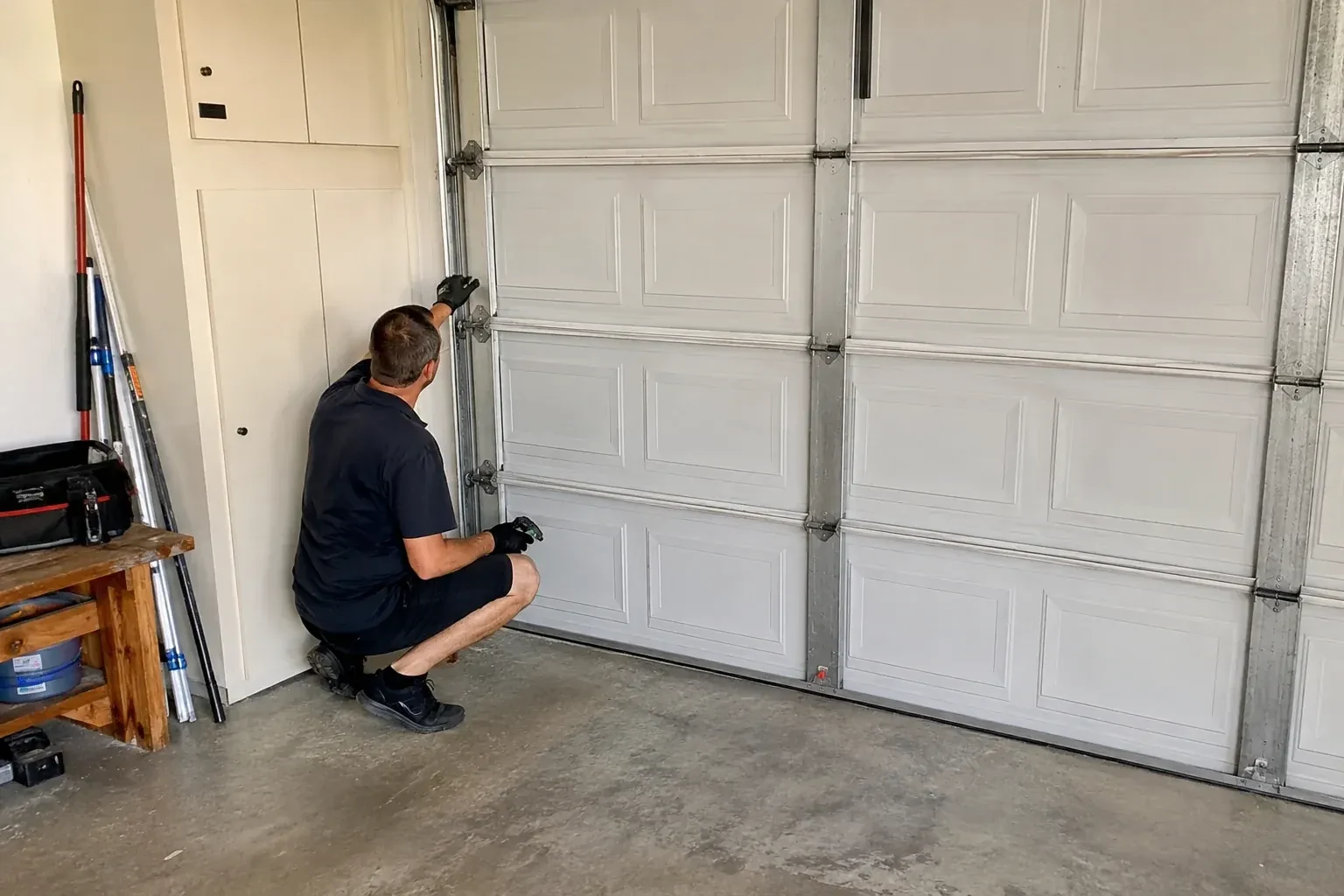
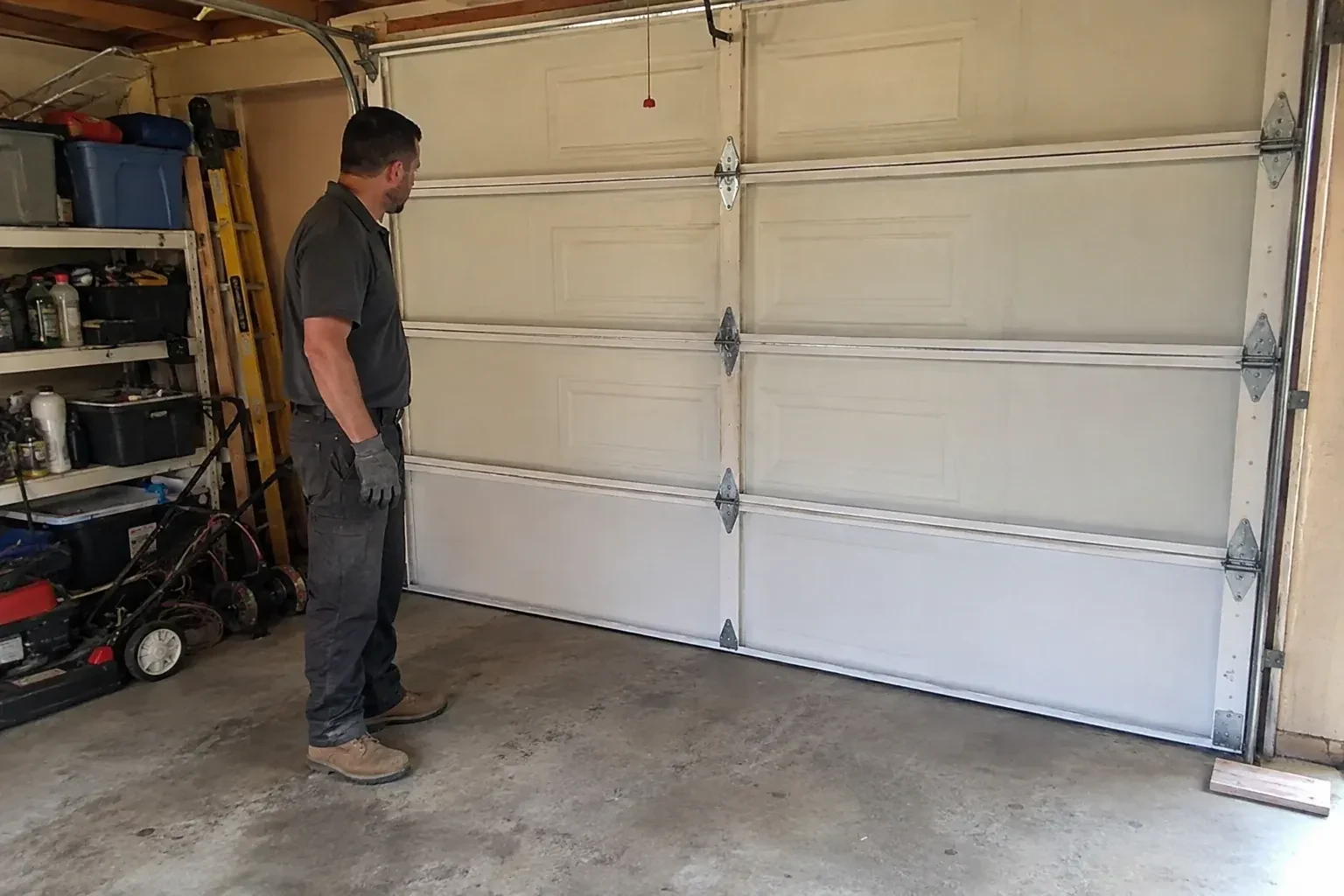
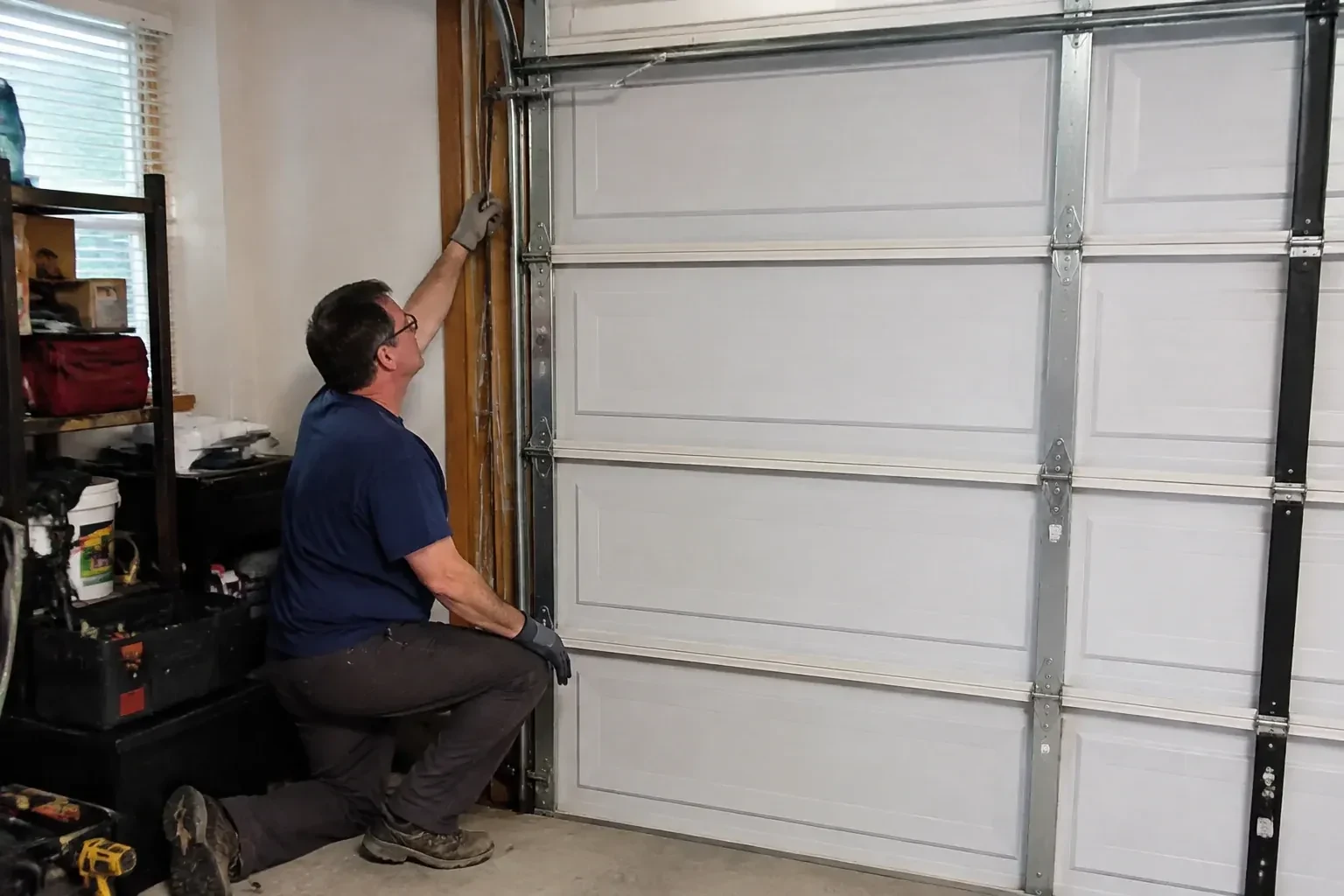
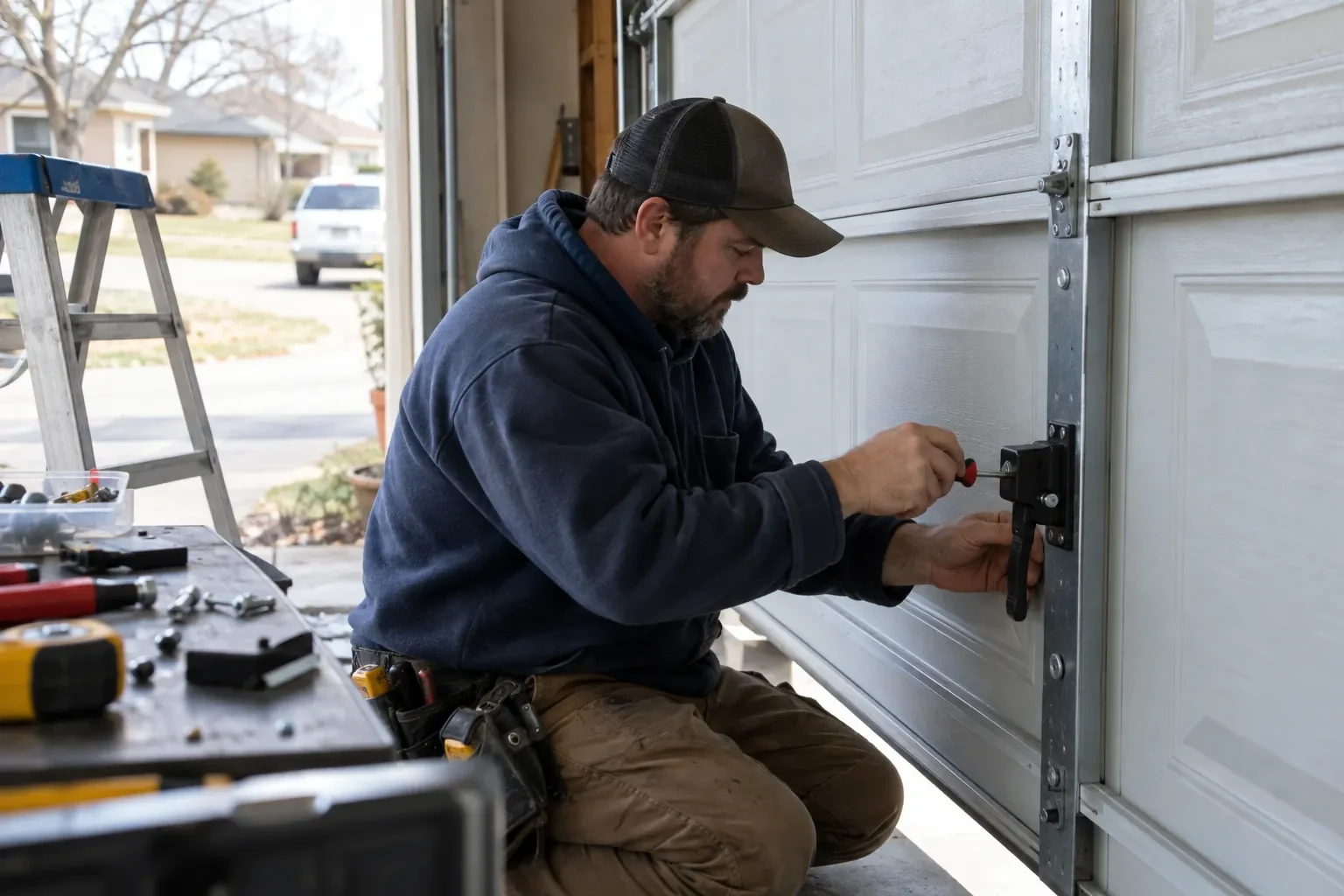
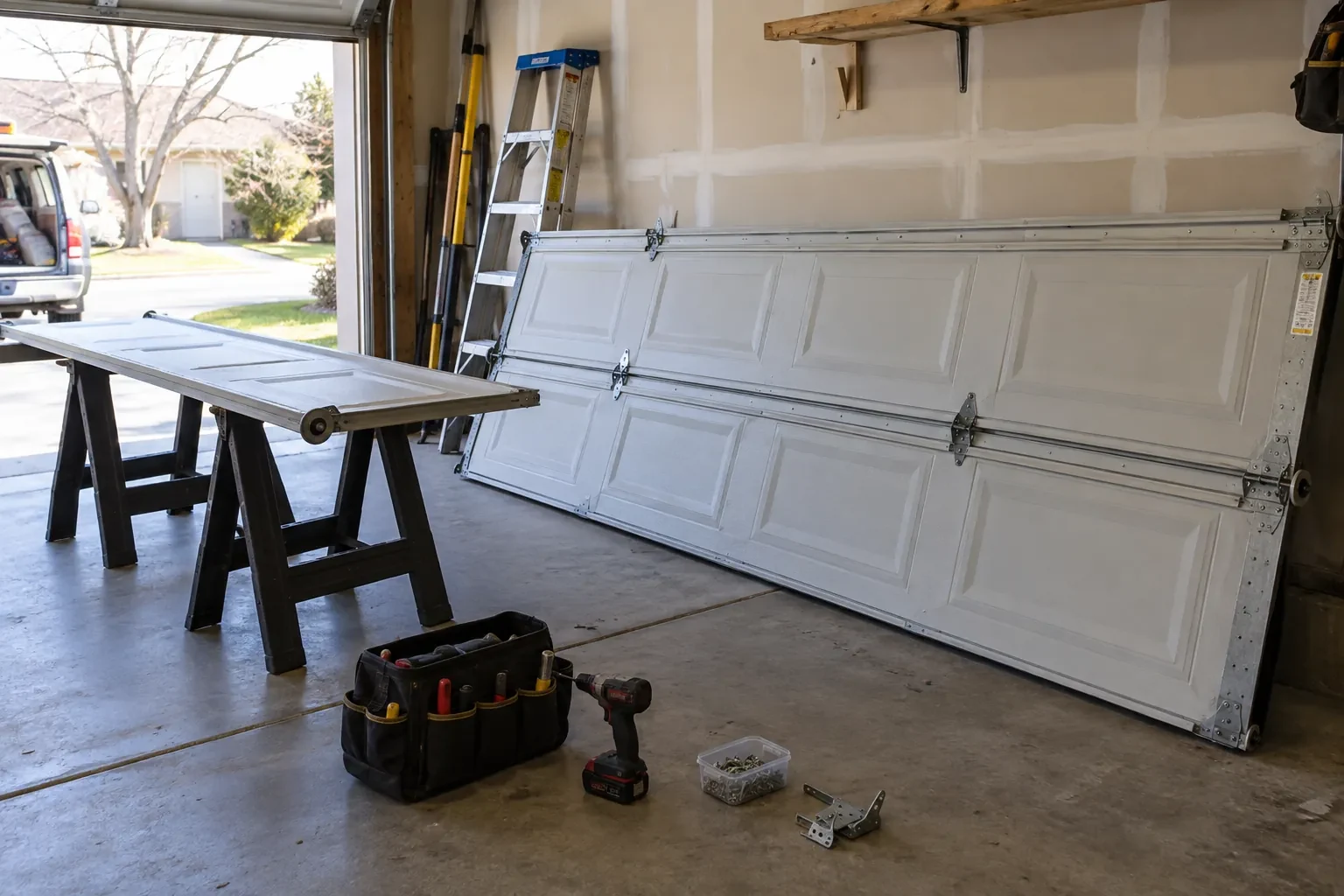
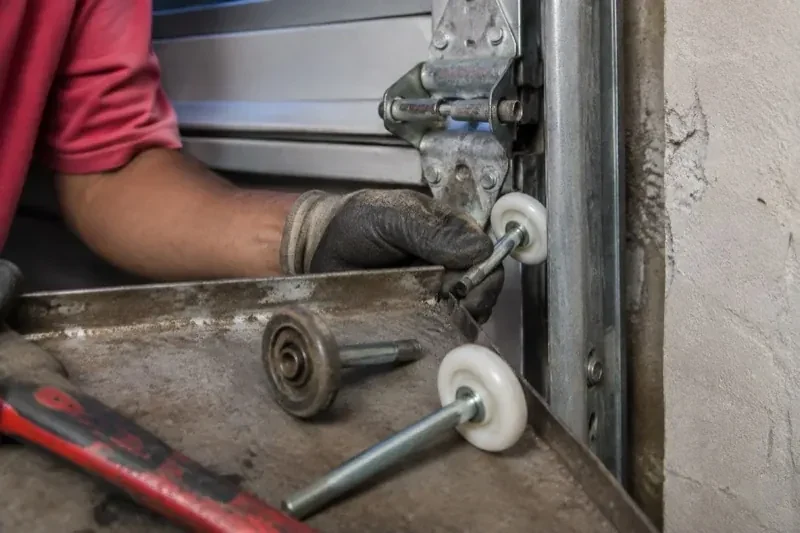
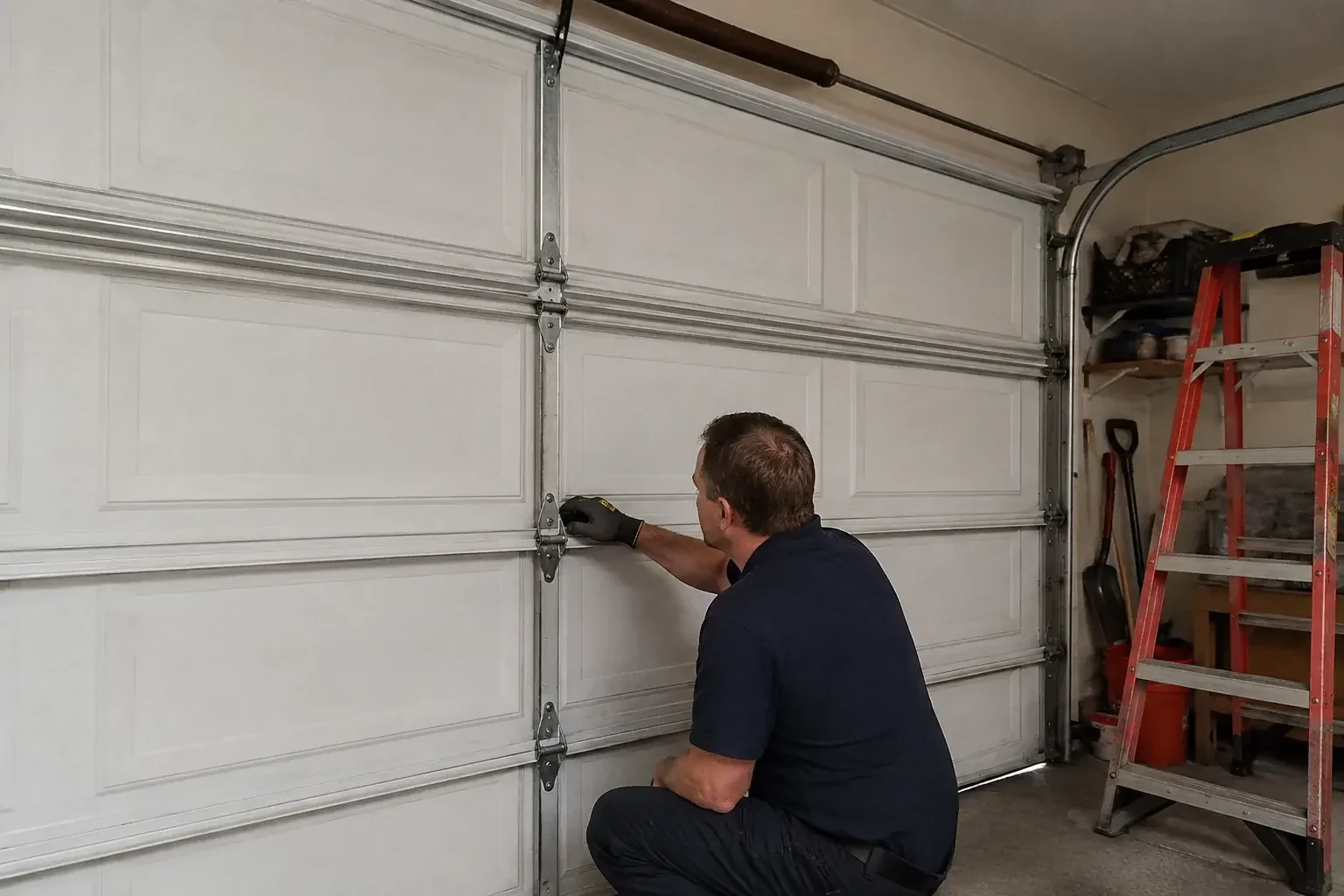
A door sitting at an angle in Sunset Beach almost always means a cable has slipped off its drum or a roller has left the track. We relieve the tension carefully, reseat the door square, replace whatever let go, and look along the tracks for the bend or loose bracket that started it. This page also covers Duclos Point, Holmes Point, Island View Beach and McRae Beach.
A door sitting at an angle in Sunset Beach almost always means a cable has slipped off its drum or a roller has left the track. We relieve the tension carefully, reseat the door square, replace whatever let go, and look along the tracks for the bend or loose bracket that started it. This page also covers Duclos Point, Holmes Point, Island View Beach and McRae Beach.
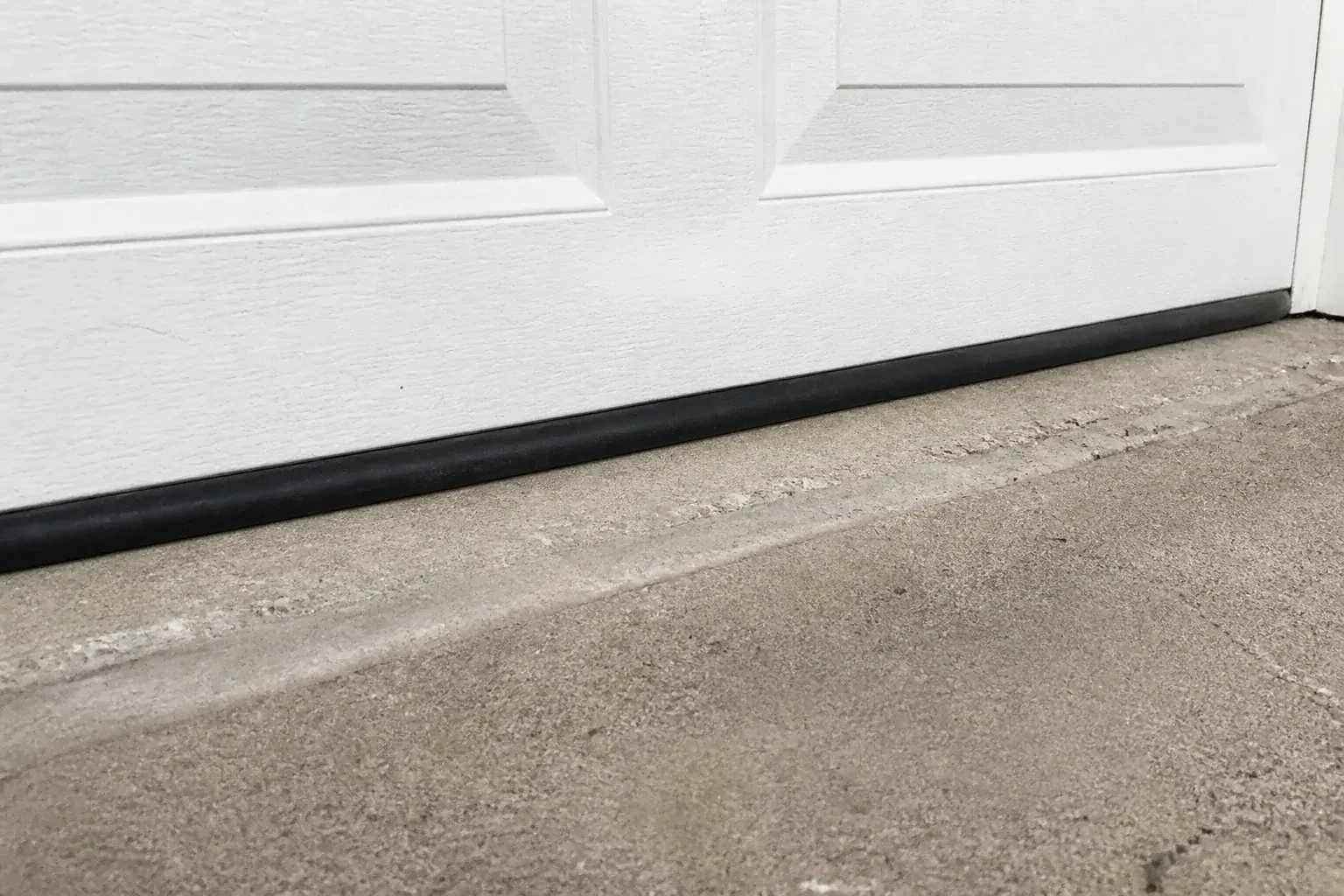
Keeping the weather on the outside.
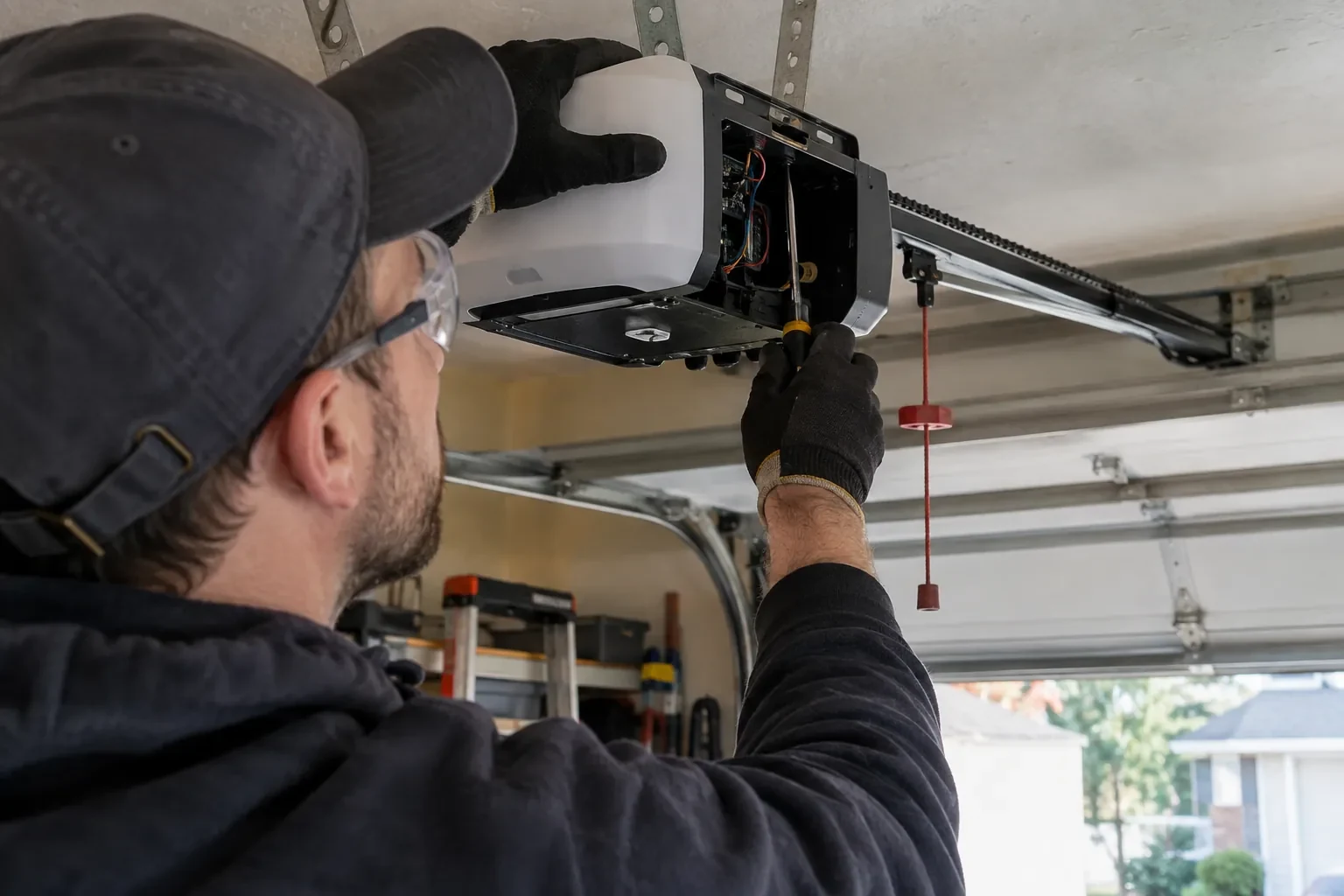
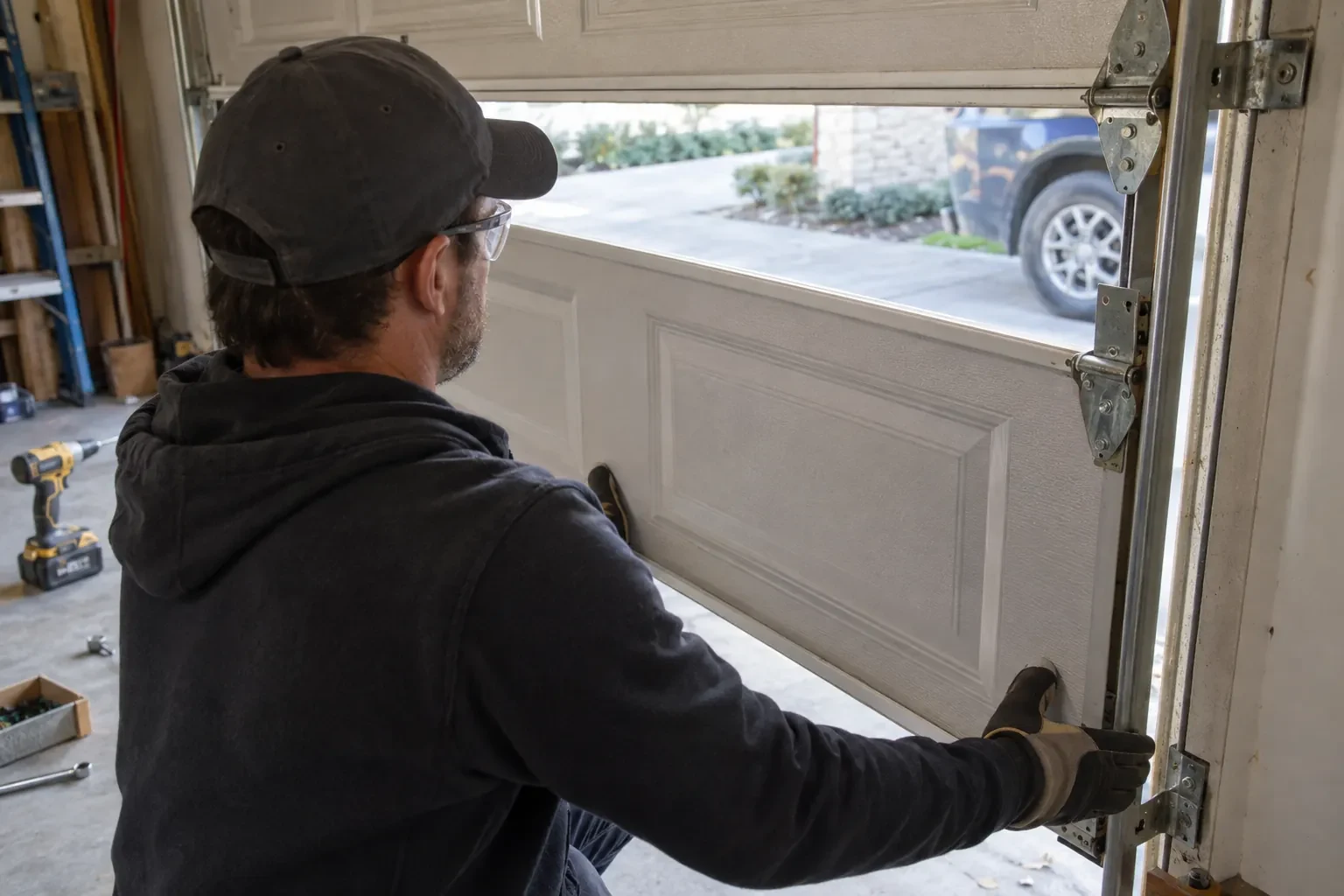
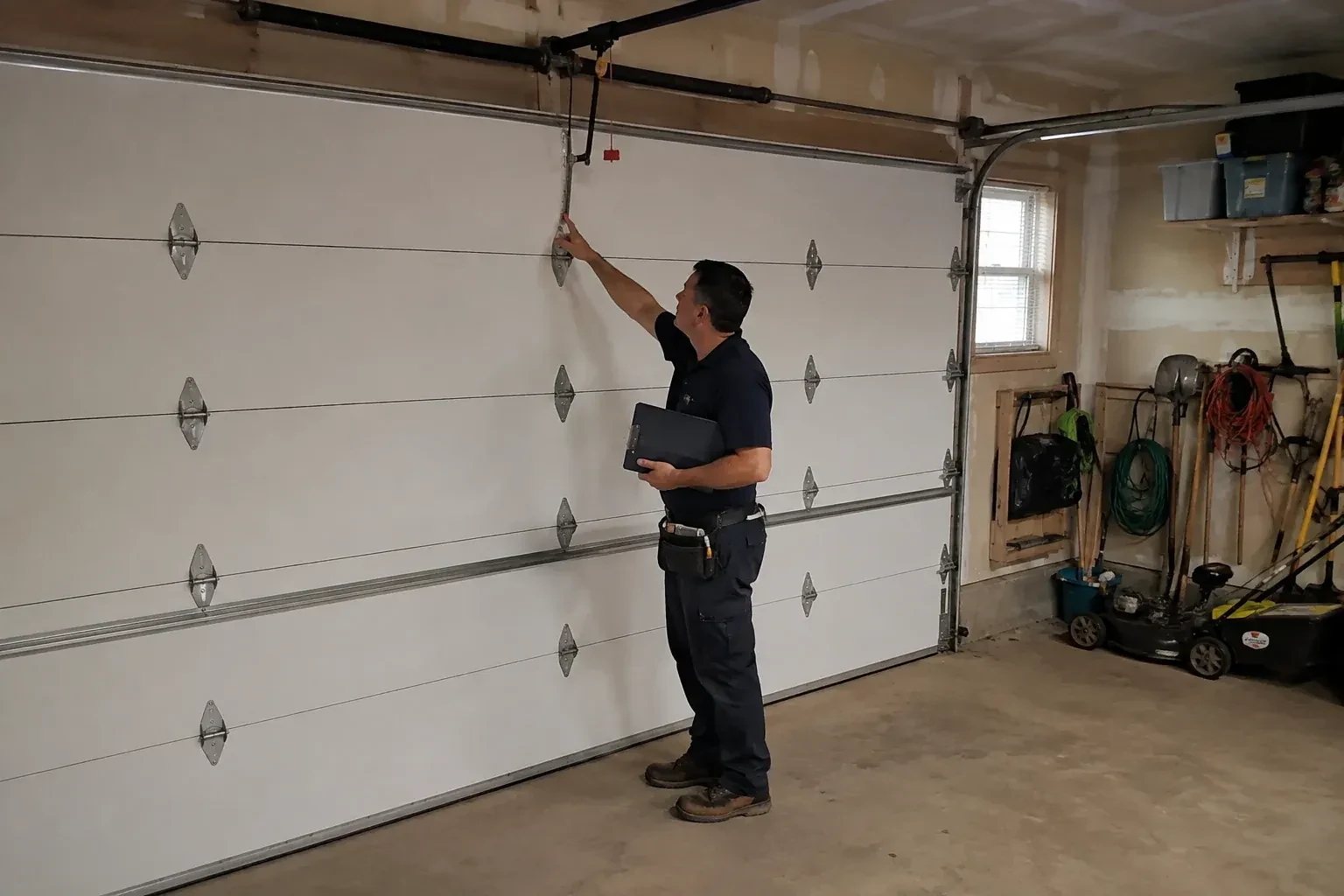
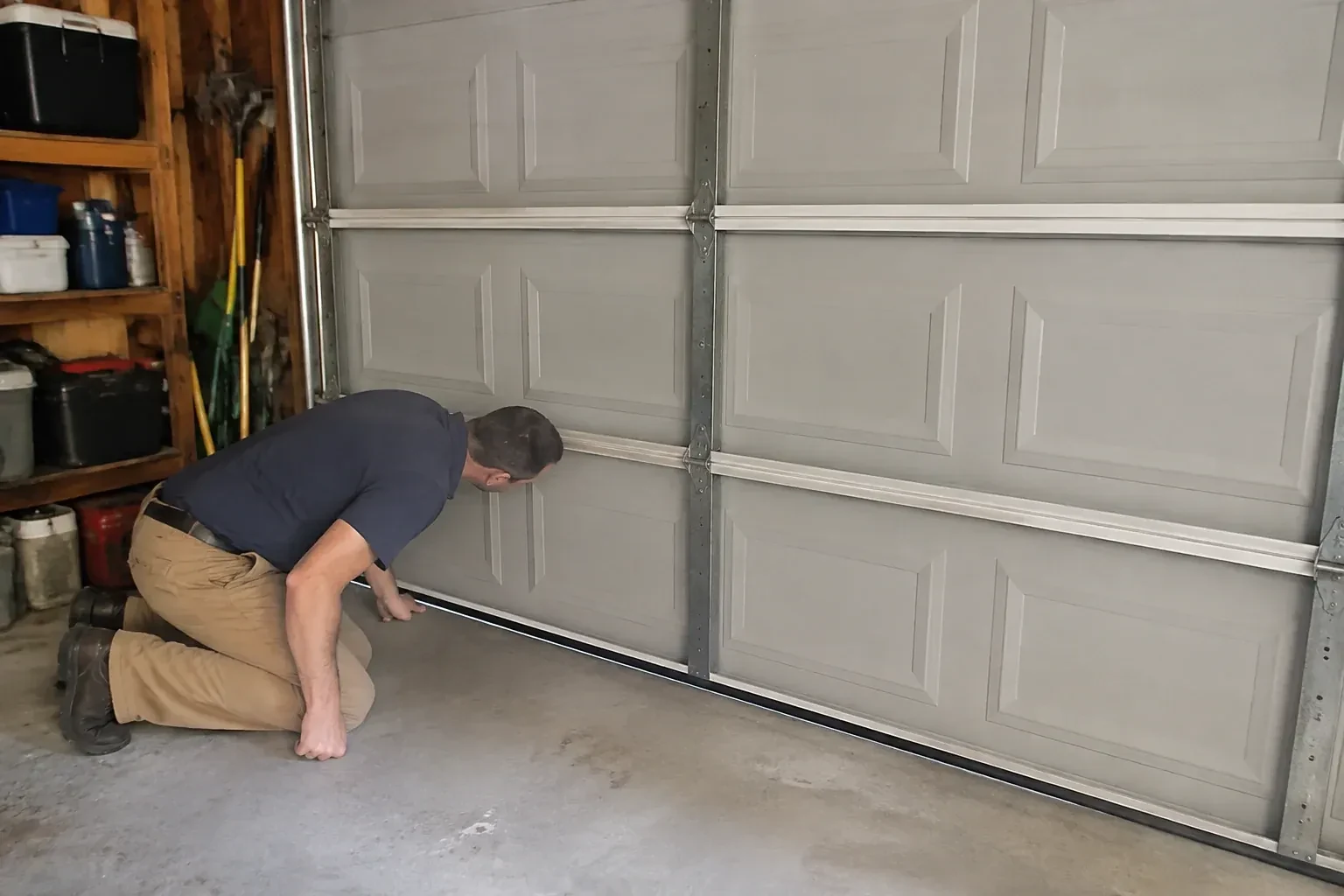
The visit in Sunset Beach starts with the door secured and a walk around every part of it. The technician then shows you the worn part, the sound one beside it and the choice between them. Nothing is replaced for the sake of it, and nothing that is close to failing is quietly left out.
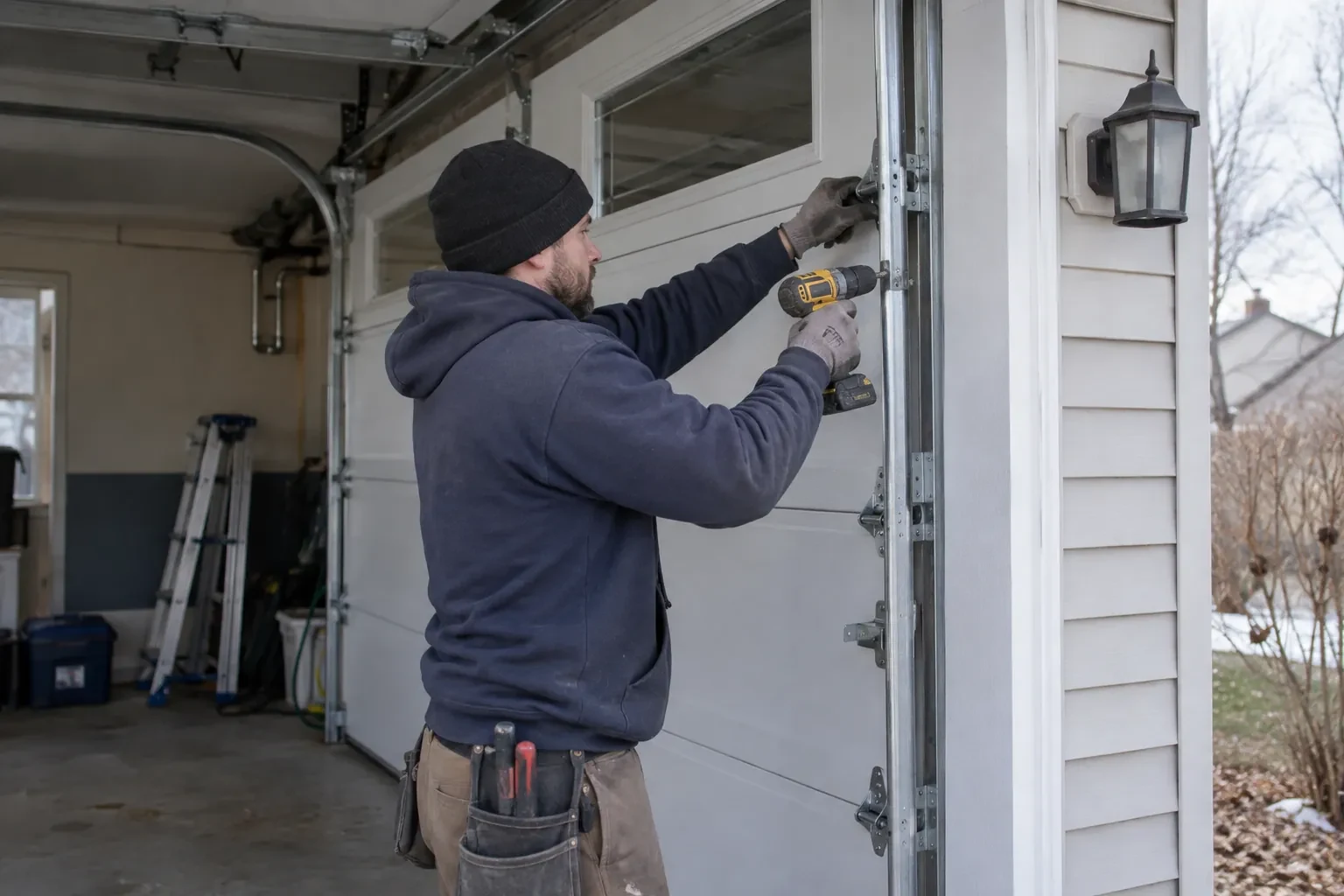
Many of the houses in Sunset Beach have garage doors that are decades old, adjusted and patched over the years by more than one pair of hands. We work with that history rather than against it, bringing the door back into balance, replacing what is worn and being honest when a new door would serve the household better. Every visit ends with a full test and a clear explanation.
12years in business
24/7open every day
A technician who talks. You hear what we are checking and why, in real time. Ask anything; the explanation is part of the job.
Mess that leaves with us. Debris, packaging and the old spring go with us. Your floor and your car look the same after as before.
Your decision, informed. We put the choices on the table with their pros and cons. Whether to repair, upgrade or replace stays with you.
If your door in Sunset Beach is doing something new, there is a service here for it. Grinding usually points to rollers or hinges. A door that will not lift points to a spring or cable. A door that reverses on its own points to sensors or force settings. We diagnose first, then repair.
About 43% of homes in Georgina were built in 1980 or earlier, according to the 2021 Census.
In a mixed neighbourhood, some garages are detached with plenty of side room and others are tucked under a bedroom with little headroom, so opener and spring choices vary from house to house. Measuring at the door, rather than assuming, is how the right hardware is chosen.
Single-detached houses make up about 83% of homes in Georgina (2021 Census).
Mostly houses
Single-detached homes give a technician room to work: a driveway for the van, side room beside the tracks and a clear header. That means spring replacement, opener installation and full door replacement can each be finished in one visit with the door properly secured throughout.
Balanced doors are lighter on everything: the opener, the hinges, the rollers and the arms of anyone who has to lift them in a power cut. The spring and cable work here is how that balance is set and kept.
The belt looks fine from a distance, but up close the rubber has cracked across the back in dozens of places and, in one spot, you can see the steel cords showing through.
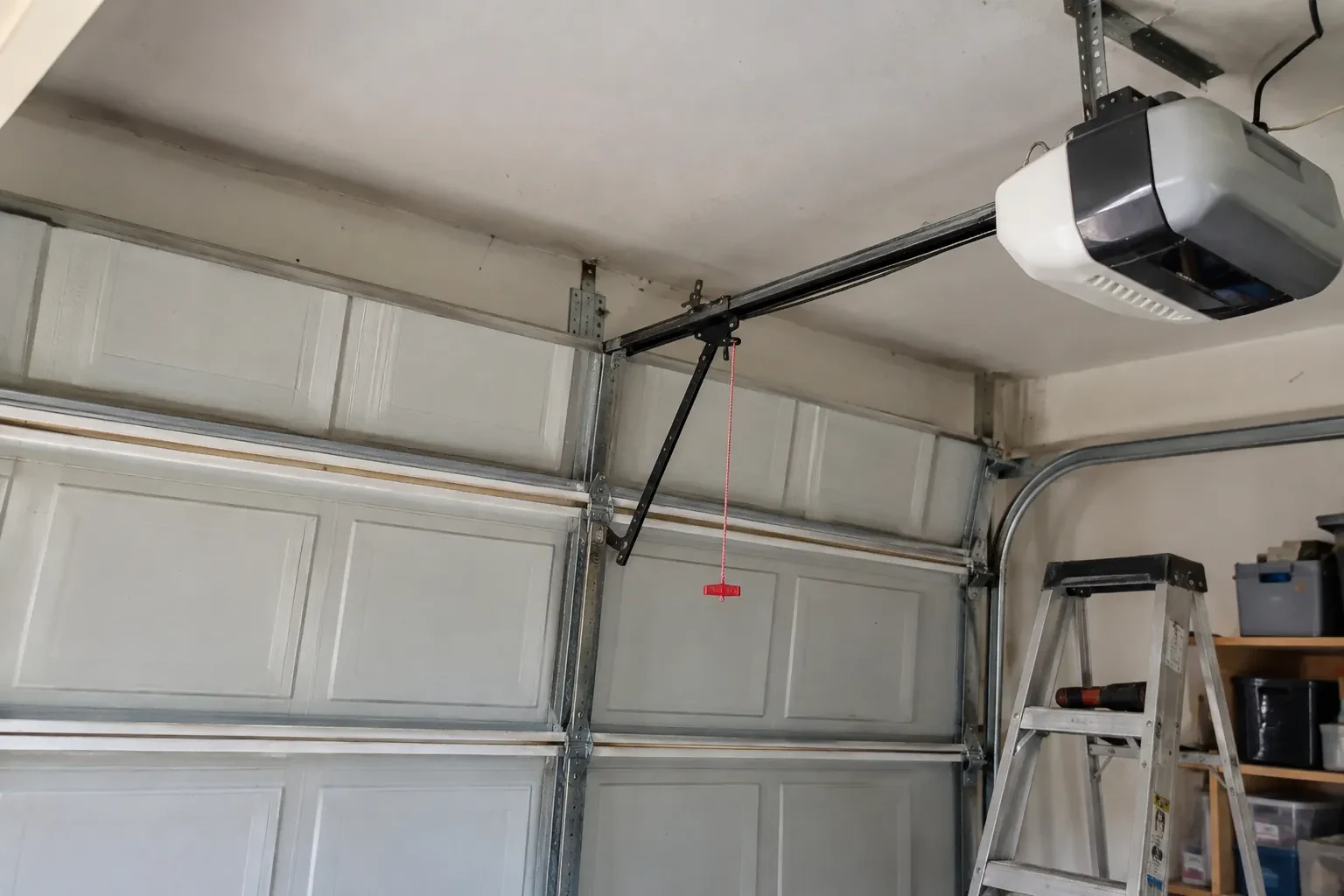
You want the ceiling back. A storage loft, a vehicle lift or kayak racks would fit if the long rail and motor box were not hanging in the middle of the garage, and the low ceiling of an older house leaves little room for the standard rail anyway.
On bright mornings the door will not close, then by lunchtime it behaves itself. The garage faces the low sun, and the light reaches straight across the floor to one of the little black sensors.
Someone in the family tried to add a remote, held the button on the ceiling unit a little too long, and now every remote in the house is dead at once. The wall control still moves the door.
The house came with a controller already screwed to the garage ceiling and a sensor on the door, but the app insists the device belongs to another account. The seller has moved provinces, the emails go unanswered, and every evening the door still reports to a stranger's phone.
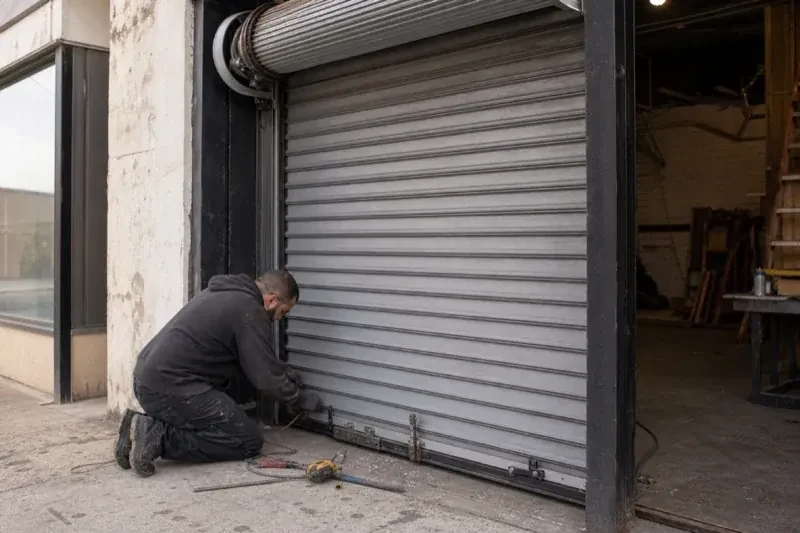
It is the coldest morning of the year. A week of slush and road salt has crusted over the outside release lock, the key will not seat, and the opener inside is silent after the overnight outage.
Which fix fits?
Backing out in a hurry, the bumper tapped the bottom section.
WhyTrade guidance treats a garage door as a system: sections, hinges, rollers, tracks, cables, springs and opener all depend on one another, and an impact on one section rarely stops there.
You pushed the slide bolt across like always, but tonight it stops short of the slot in the track and springs back.
WhyA heavier decorative door may need a different spring specification, stronger section reinforcement or another opener arrangement than the former door.
Your workshop faces the driveway and needs a professional, welcoming frontage without putting tools on display.
WhyWhen a door is stuck closed, the first goal is to understand what is holding it rather than adding force.
How a visit goes
Describe the property, the hardware and what has changed, and the visit starts from what you have seen.
01
Booking made simple
One call sets the visit. We ask for the door type, the opener if you know it, and whether the door is currently stuck open or shut.
02
A careful look
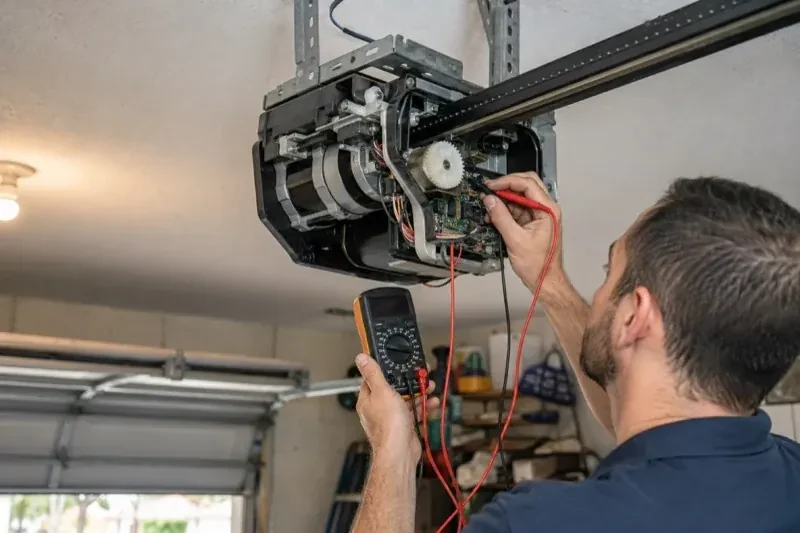
Every visit opens with a full check: balance, spring condition, cable wear, roller state, track alignment and sensor response.
03
Clear choices, careful work
We lay out the options in plain terms, do what you choose with the right tools, and run the door until we are satisfied it is right.
An entrance. Not an afterthought.
1/10Garage Door Safety Inspection
Backing out in a hurry, the bumper tapped the bottom section. The dent is small and the door still runs, but it seems to shudder now at the point where the panel meets the track.
The inside face of one section has started to bow outward and the outer skin has a soft, wavy look. Tap it and it sounds hollow in places. The door is insulated, and the foam core seems to have parted from the steel.
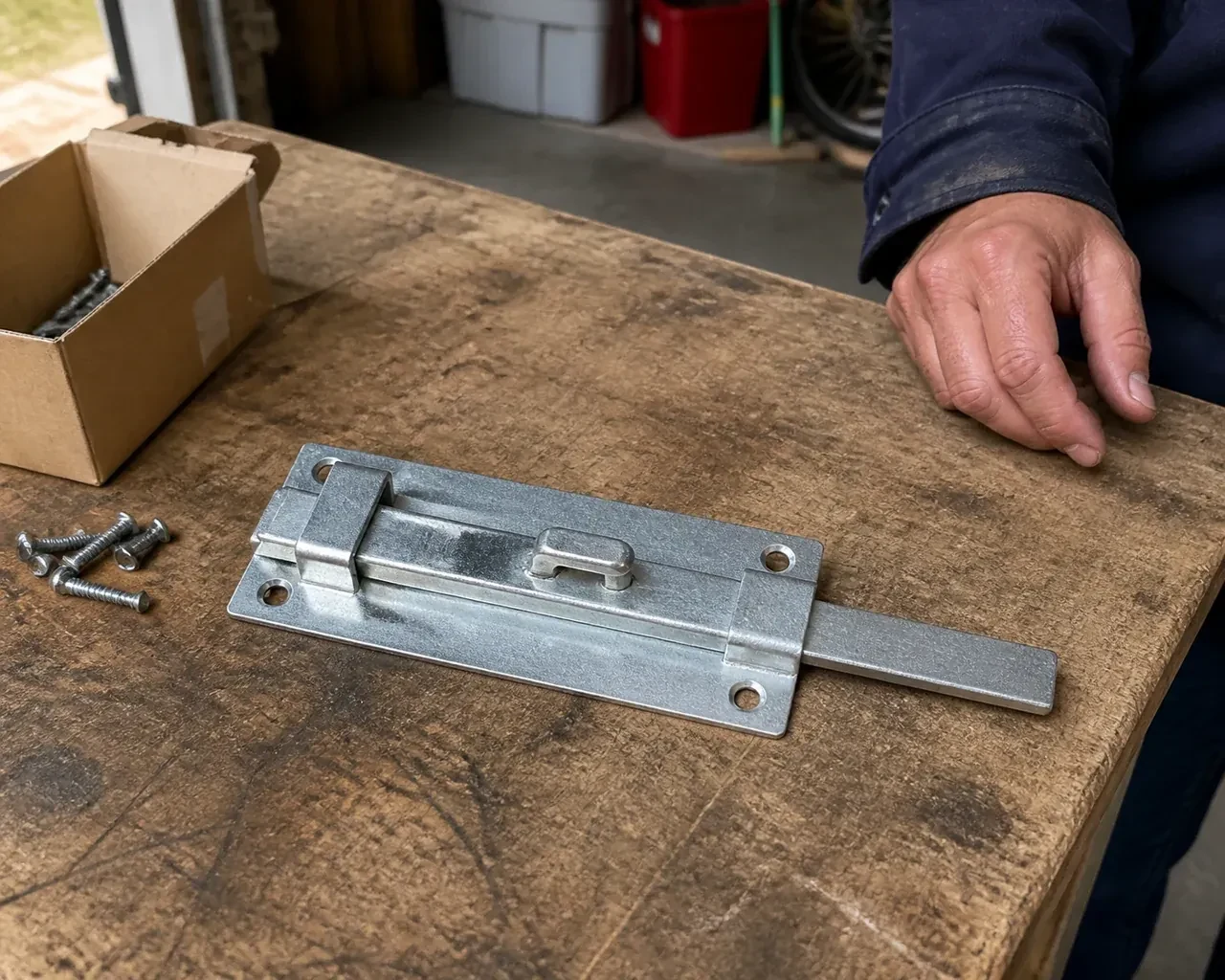
You pushed the slide bolt across like always, but tonight it stops short of the slot in the track and springs back. The door is down, the bottom seal is on the concrete, yet the bar and its hole are a finger's width apart.
The car bumper kissed the door on the way in. The bottom panel has a dent, the bracket in that corner sits crooked, and the cable on that side has jumped and gone slack, so the door reverses every time it tries to close.
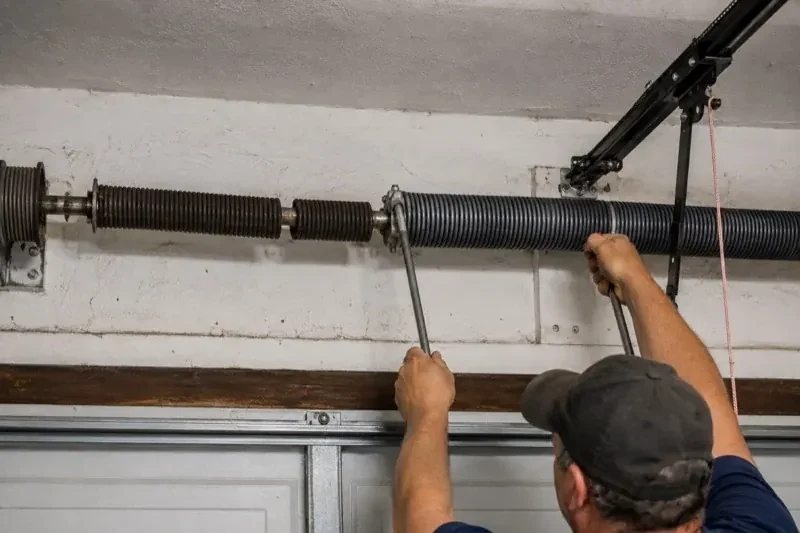
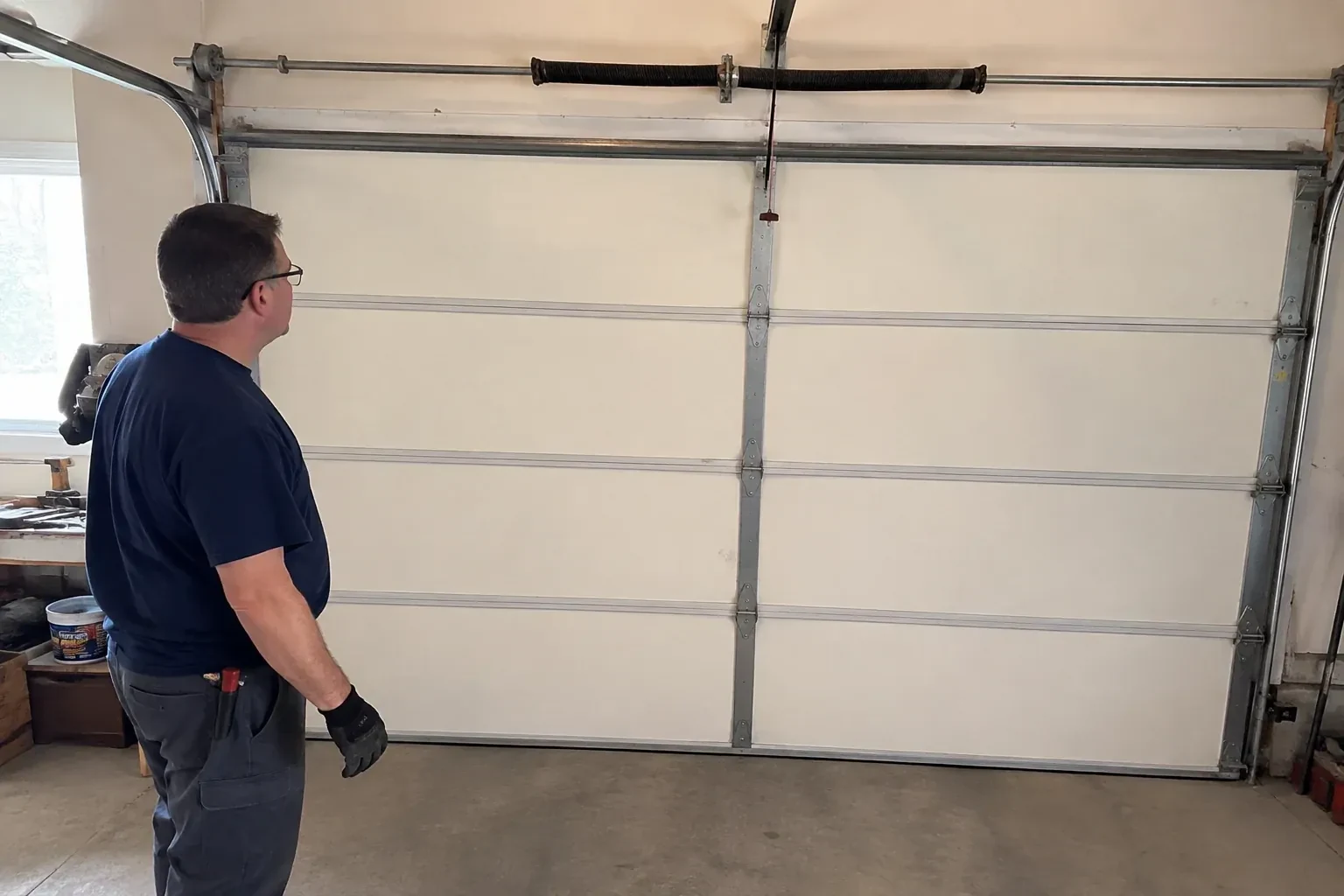
The door drops the last stretch to the floor rather than settling, and when you stop it halfway by hand it slides down instead of staying put. Balance has drifted, and the spring is no longer holding its share of the weight.
The door shakes through the curved track, hinges have loosened in worn mounting points, and repairs now involve several parts at once. A coordinated new system offers a cleaner path than chasing wear across the assembly.
A front elevation update has brought new trim, lighting and a deeper colour palette, leaving the garage door as the remaining piece. Its pattern and finish now need to join the overall composition.
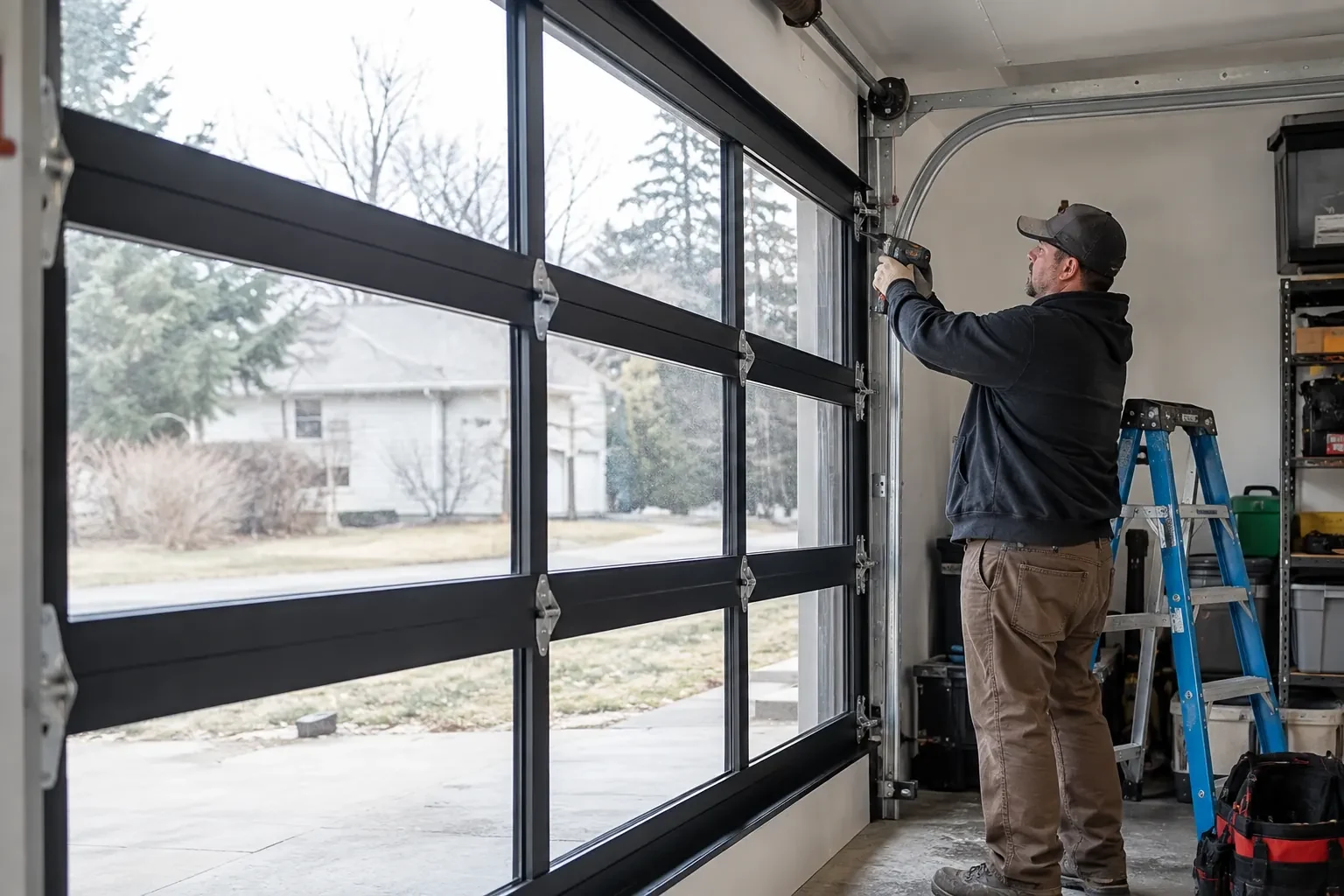
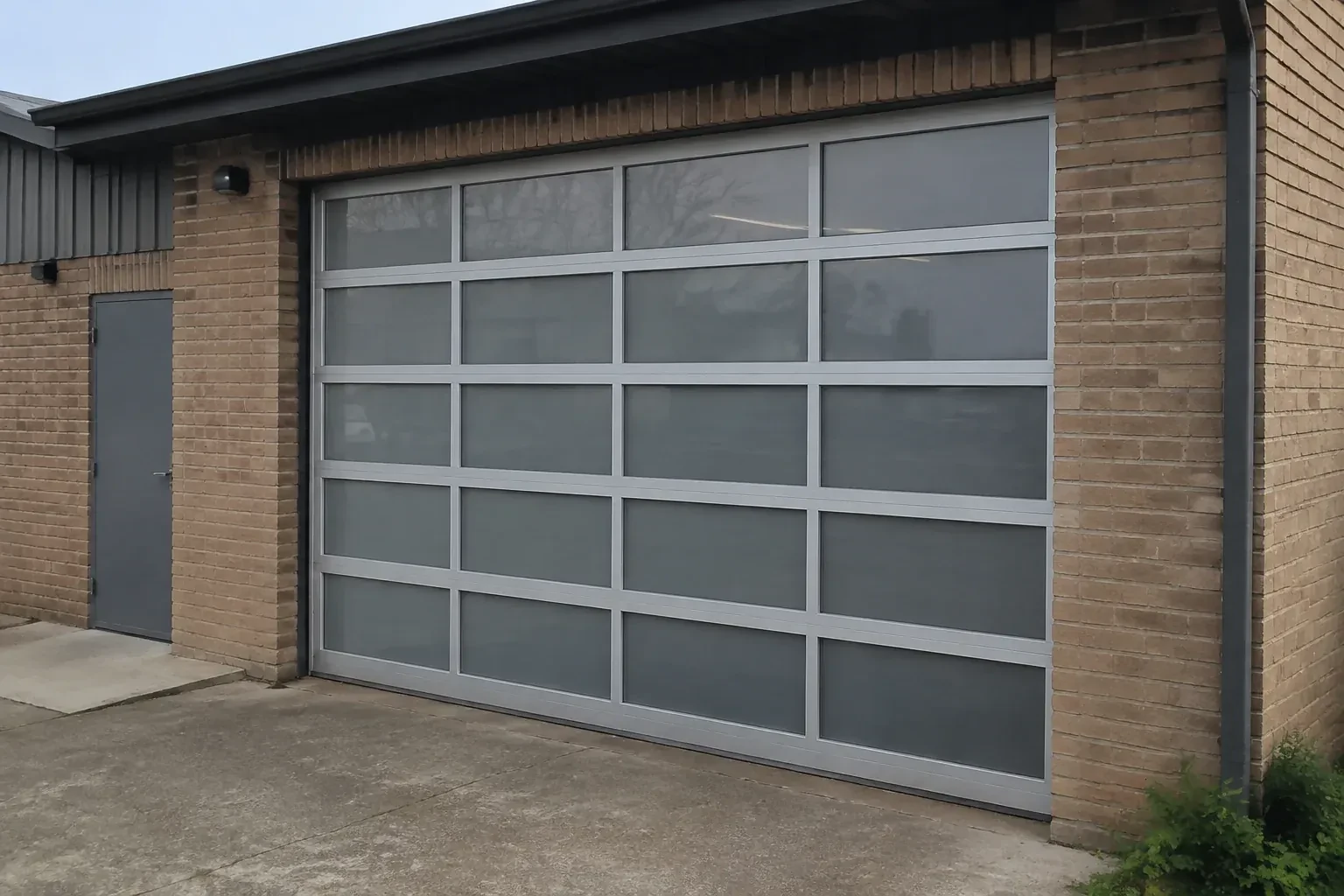
Your workshop faces the driveway and needs a professional, welcoming frontage without putting tools on display. A full-view installation with privacy glazing can serve both the working room and the exterior design.
The build is nearing handover and the garage still needs its main moving component. A balanced door, fitted seals, working controls and a clear set of operating instructions will complete the opening for everyday use.
At closing time, the bottom bar reaches the floor on one end while daylight remains under the other. The slide bolts miss their keepers, leaving staff unable to secure the business opening in its usual way.
Why does my door reverse on the way down for no reason?
Most often it is the photo eyes. A sensor knocked slightly out of line, a lens with a film of road grime, a loose wire, or low afternoon sun shining straight into one eye will each break the beam as far as the opener is concerned. The next candidates are a down-force setting that has drifted, a binding roller or a door that has gone out of balance. The inspection checks each in turn.
How much room do you need in the garage on the day?
Enough to bring the new section in, lay it flat, and work at both tracks and the spring shaft. Moving vehicles out of the garage and clearing a metre or two along the walls where the tracks run makes the job smoother, as does clear access to the opener and the ceiling around the spring. Sections are handled by two people and are wider than the door opening, so a clear path from the driveway helps.
How do I lock the garage door during a power outage?
With the door closed, pull the opener's release cord so the trolley lets go of the door, then throw the slide bolt or turn the T-handle to lock. When power returns, unlock first, check both bars are clear of the track, and then re-engage the opener as its manual describes, usually by running it once. Keeping to that order is what protects the lock and the opener.
Should both cables be replaced when only one has failed?
Yes, as a rule. The two cables were fitted together, have flexed around their drums the same number of times and have sat in the same slush, so the survivor is close to the end of its life. A new cable beside a stretched one also makes it harder to set the door level. Two matched cables give an even lift and one visit instead of two.
Does the opener need adjusting after the spring is replaced?
Usually a little. A balanced door presents a much lighter load than a door with a broken spring, so the opener's force settings are reset to suit it, and the travel limits are checked so the door seals at the floor and stops cleanly at the top. The technician then runs the reversal test and the photo-eye check to confirm the safety system responds correctly with the new balance.
How is the old door removed?
Technicians disconnect the operator, stabilize the assembly and control the spring system before detaching cables or high-tension fixtures. Sections are supported and separated in sequence, followed by track and related hardware. The agreed scope states whether removed materials are taken away, while site protection keeps nearby finishes and belongings clear during dismantling.
Which materials are used for carriage-house garage doors?
Common choices include embossed steel sections, insulated steel with composite overlays, and wood or wood-faced sectional construction. They differ in weight, surface depth, grain, moisture response and care. Samples are helpful because photographs can flatten texture and alter colour. The chosen construction also guides spring sizing, reinforcement, fasteners and the kind of finish maintenance expected later.
How are glass sections protected during installation?
Sections stay in their protective packaging until they can be checked and staged safely. They are stored upright or on padded, non-marring supports as directed, with glass faces separated from tools and rough surfaces. Handling uses the frame and designated lift points instead of the panes or glazing beads, and protective film remains until the instructed stage of assembly.
Which documents should stay with the completed door system?
Keep the door and operator manuals, model or component identification, approved selections and any relevant drawings with the building records. The closeout note can include door size, track arrangement, counterbalance type, controls and completed commissioning checks. Private access codes remain with the owner rather than in a general service file. These records make future maintenance and compatible part identification much more straightforward.
What information helps before the visit?
Useful details include the opening size, curtain material, manual or powered operation, model labels, current door position, recent impact or weather event and the exact point where travel changes. Photos of the full opening, bottom bar, controls and labels can clarify the system. Mention a fire-protection label at the outset so that scope is recognised.
Request a visit
The visit in Sunset Beach starts with the door secured and a walk around every part of it. The technician then shows you the worn part, the sound one beside it and the choice between them. Nothing is replaced for the sake of it, and nothing that is close to failing is quietly left out.