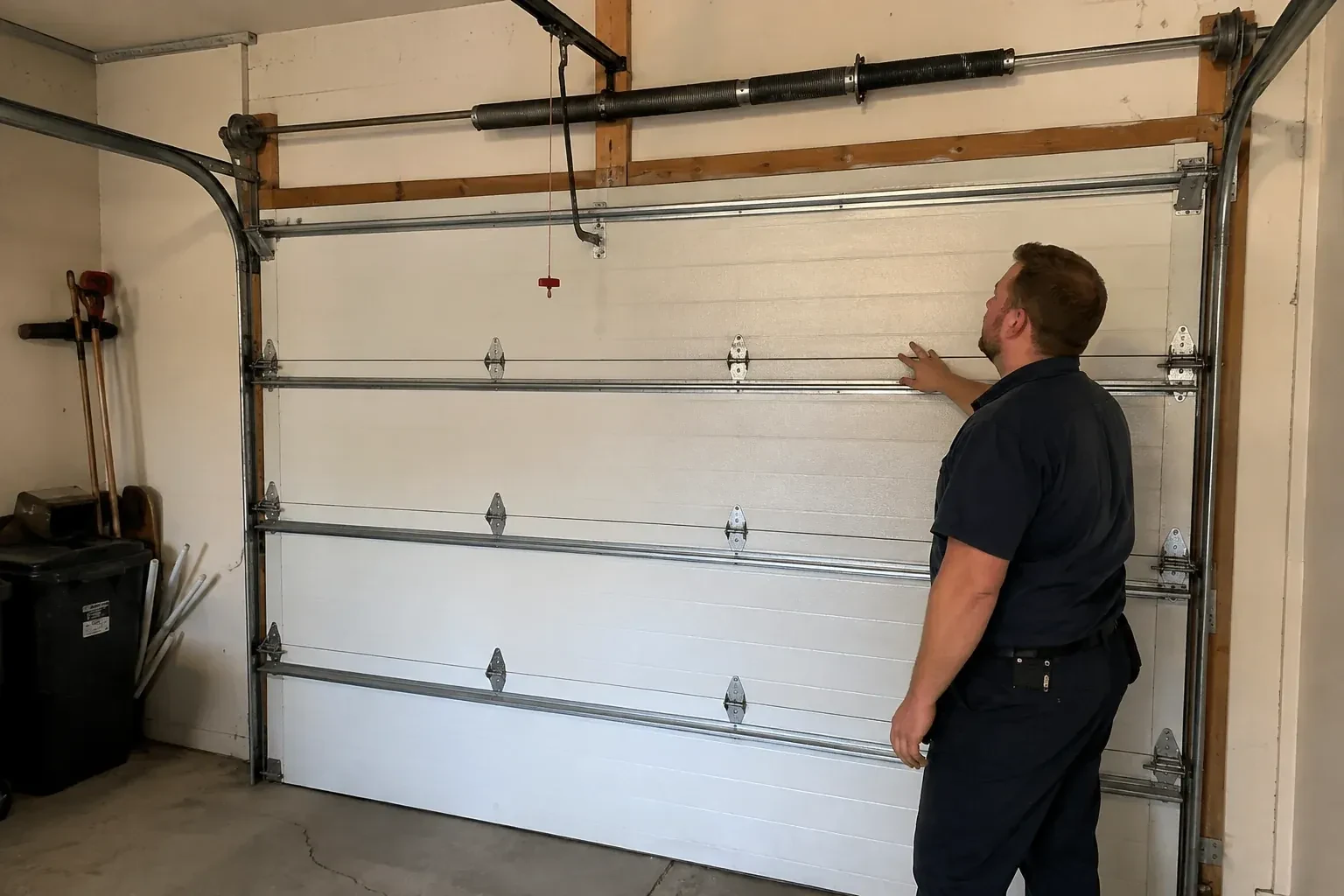
Garage Doors in Sunkist Beach, OntarioSmall adjustments.Long life.
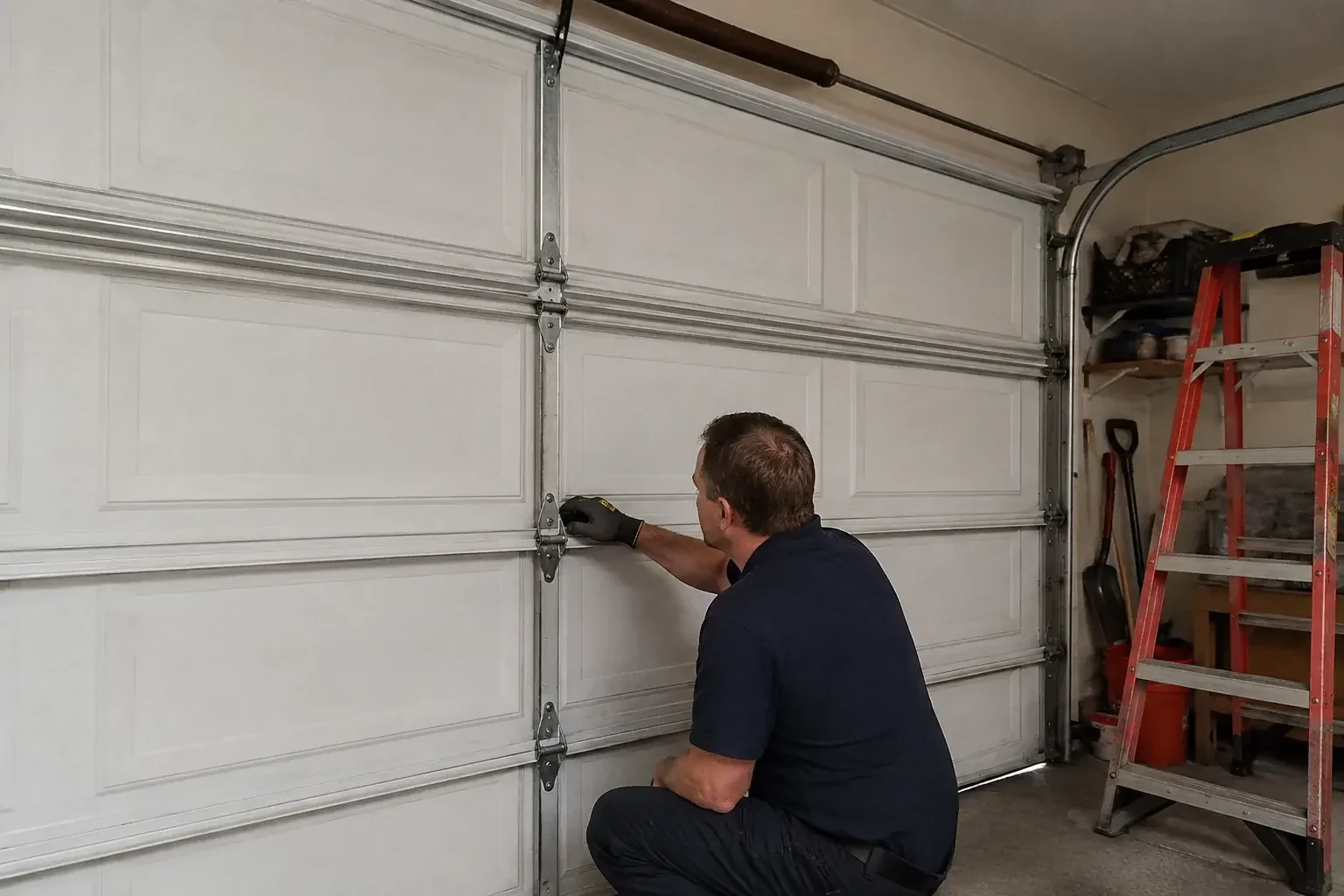
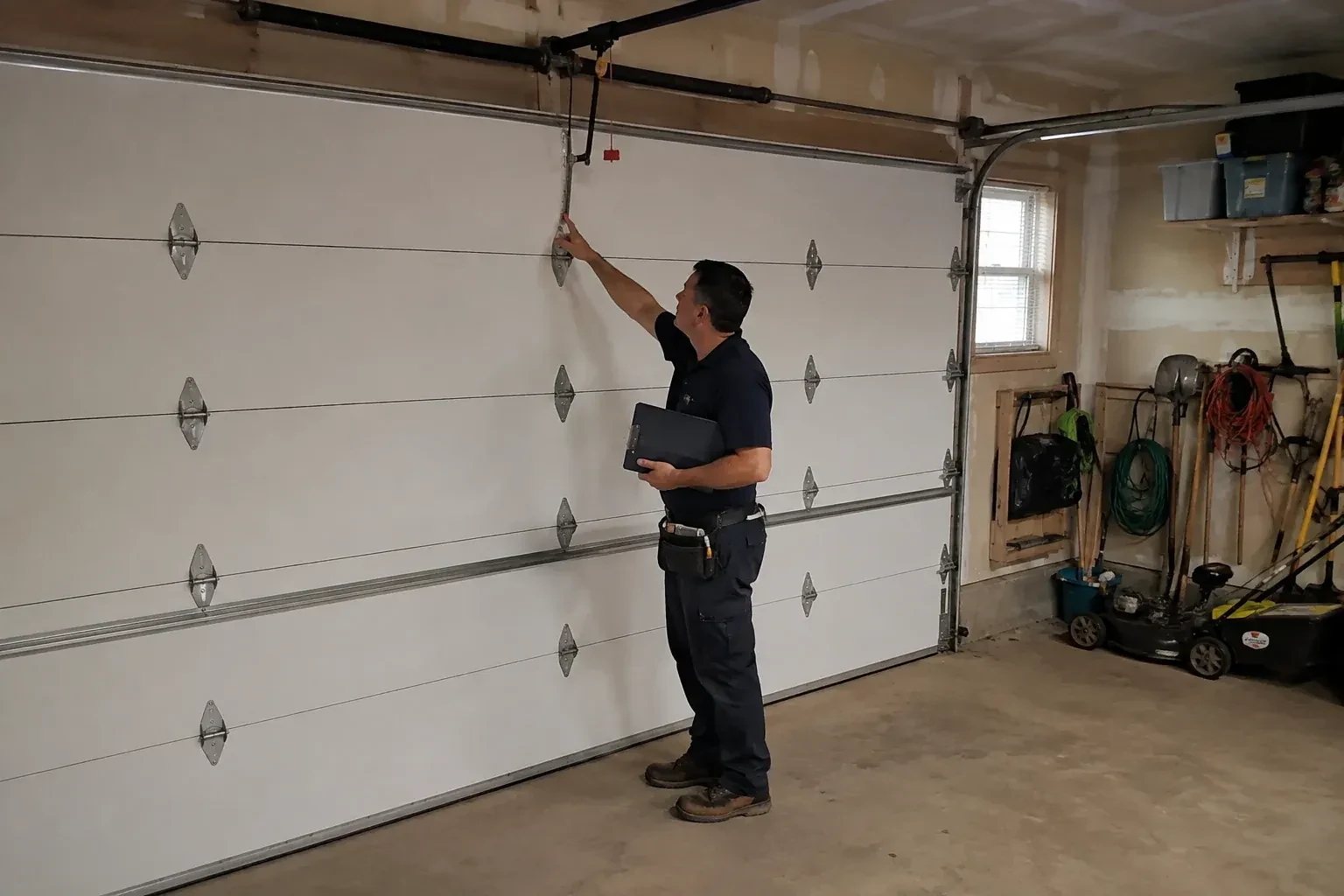
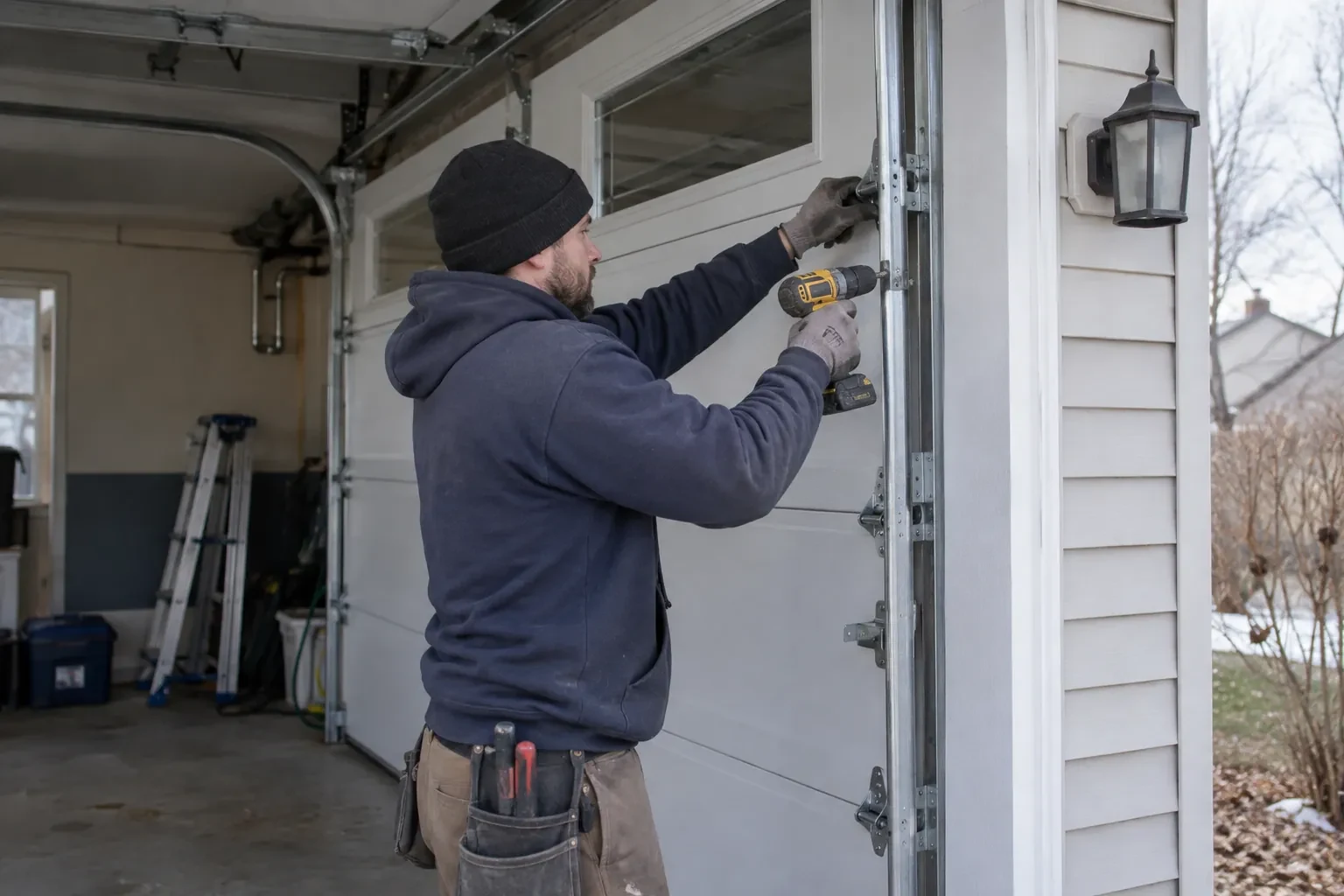
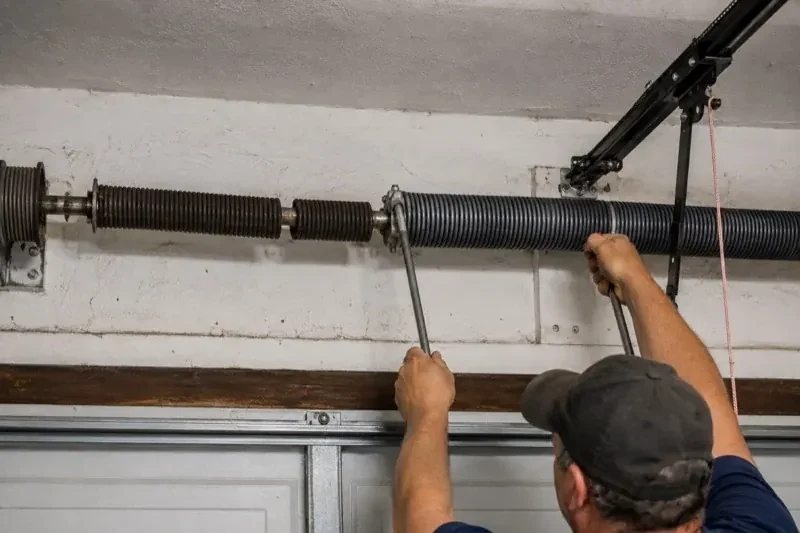
A tune-up is not glamorous: tightening hinges and brackets, lubricating rollers and bearings, resetting spring tension, checking the opener force and travel. Together those steps keep a garage door in Sunkist Beach running for years and catch the one part that would have failed on the coldest morning of the winter.
A tune-up is not glamorous: tightening hinges and brackets, lubricating rollers and bearings, resetting spring tension, checking the opener force and travel. Together those steps keep a garage door in Sunkist Beach running for years and catch the one part that would have failed on the coldest morning of the winter.
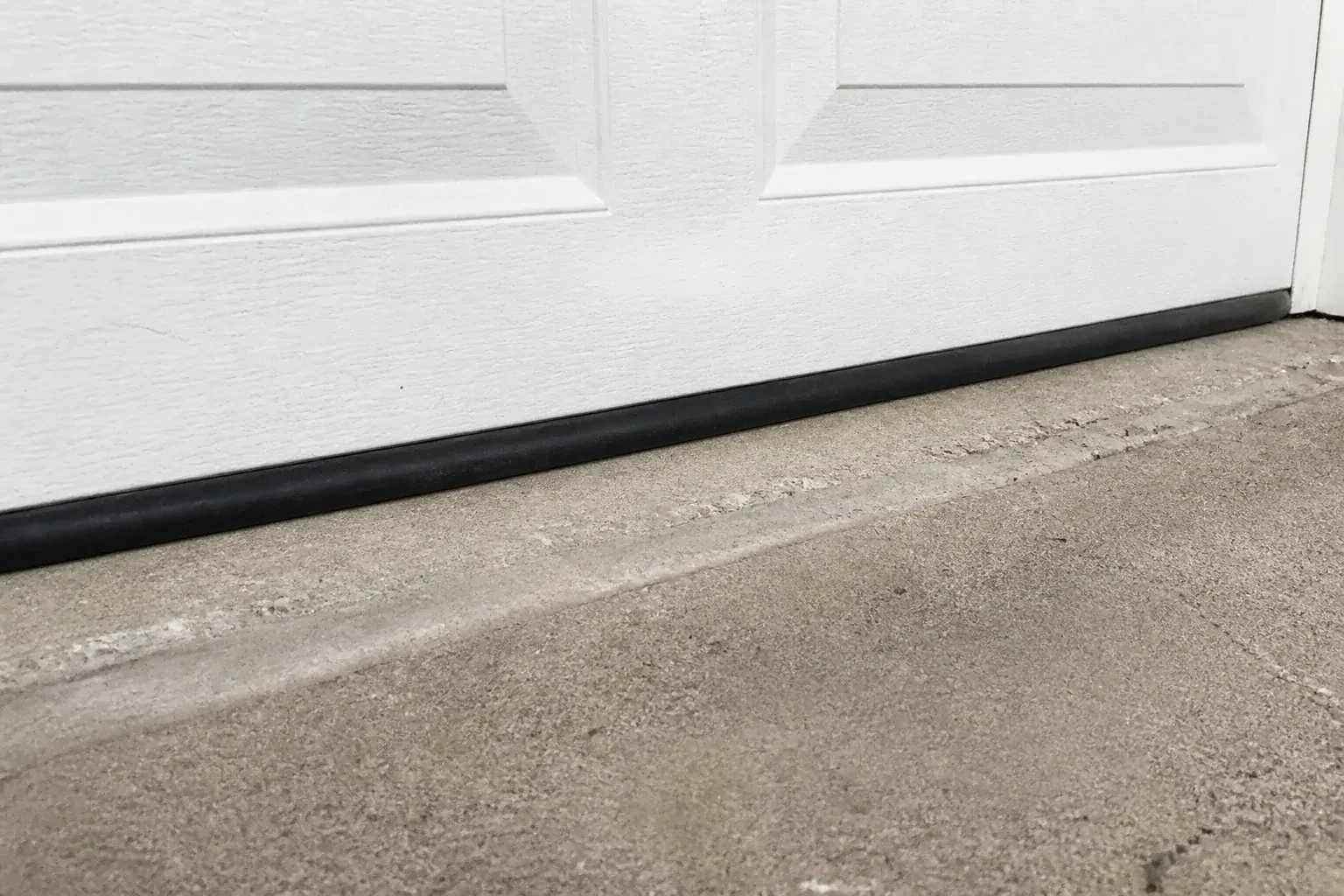
Keeping the weather on the outside.
Households in Sunkist Beach are not left guessing about cost. The technician assesses the door, explains the cause, and gives the price on the spot, before starting. There is one fee whatever hour we arrive, and if you decide to wait or think it over, that is a perfectly acceptable answer.
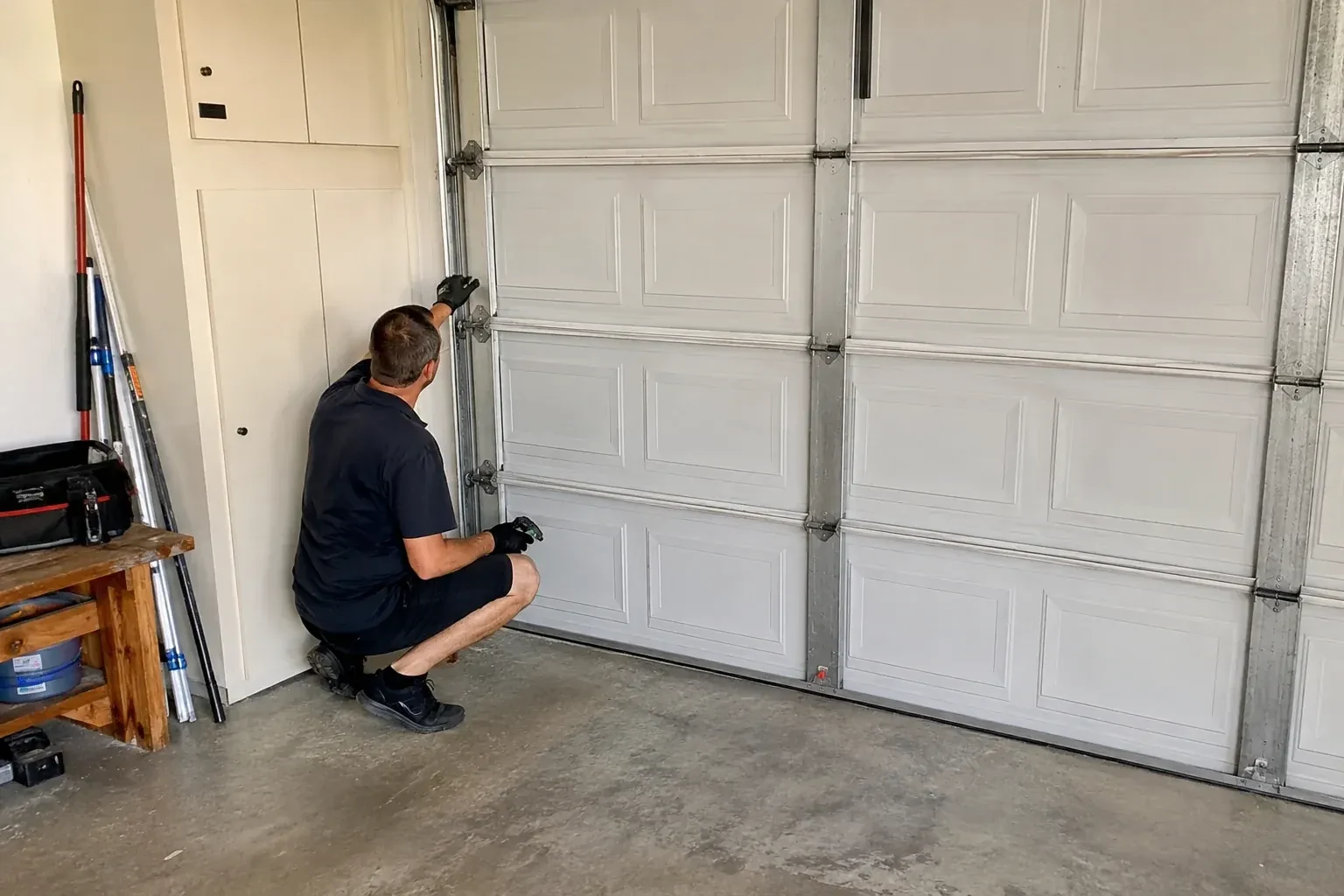
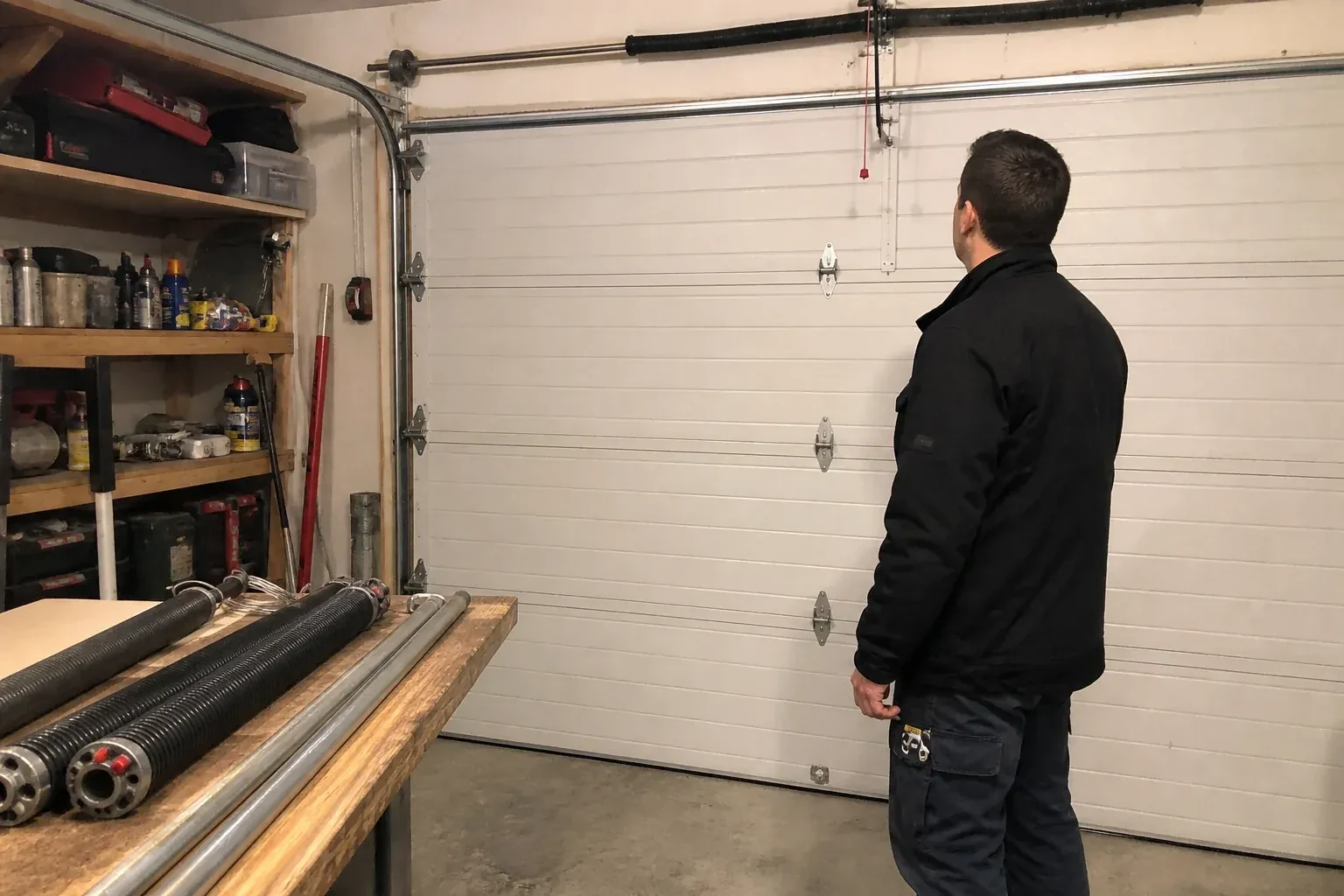
Maintenance is a quiet part of our work in Sunkist Beach, and we like it that way. A yearly look at the door, with the balance tested, hardware tightened, rollers and hinges lubricated and sensors checked, keeps small wear from becoming a snapped spring in January. We remind households when the season comes around and handle any repair that turns up along the way.
12years in business
24/7open every day
A technician who talks. You hear what we are checking and why, in real time. Ask anything; the explanation is part of the job.
Mess that leaves with us. Debris, packaging and the old spring go with us. Your floor and your car look the same after as before.
Your decision, informed. We put the choices on the table with their pros and cons. Whether to repair, upgrade or replace stays with you.
Tell us about the spring, cable or opener in Sunkist Beach.
From a stuck door on a winter morning to a planned replacement before the house goes on the market, the services on this page cover what garage doors in Sunkist Beach typically need. Each one explains what is checked, how the work is done and what you can expect afterwards.
About 43% of homes in Georgina were built in 1980 or earlier, according to the 2021 Census.
Streets with a mix of older and newer homes tend to show a mix of door styles too, from flush wood panels to raised-panel steel and carriage designs. When a replacement is chosen, it can either match the house's period or the neighbouring doors, and we help weigh both.
Single-detached houses make up about 83% of homes in Georgina (2021 Census).
Mostly houses
Where homes are detached, the garage is frequently a workshop or storage room as well as parking, and the door may be opened dozens of times on a Saturday. Sealed-bearing rollers, protected sensors and a regular tune-up keep a hard-working door running smoothly.
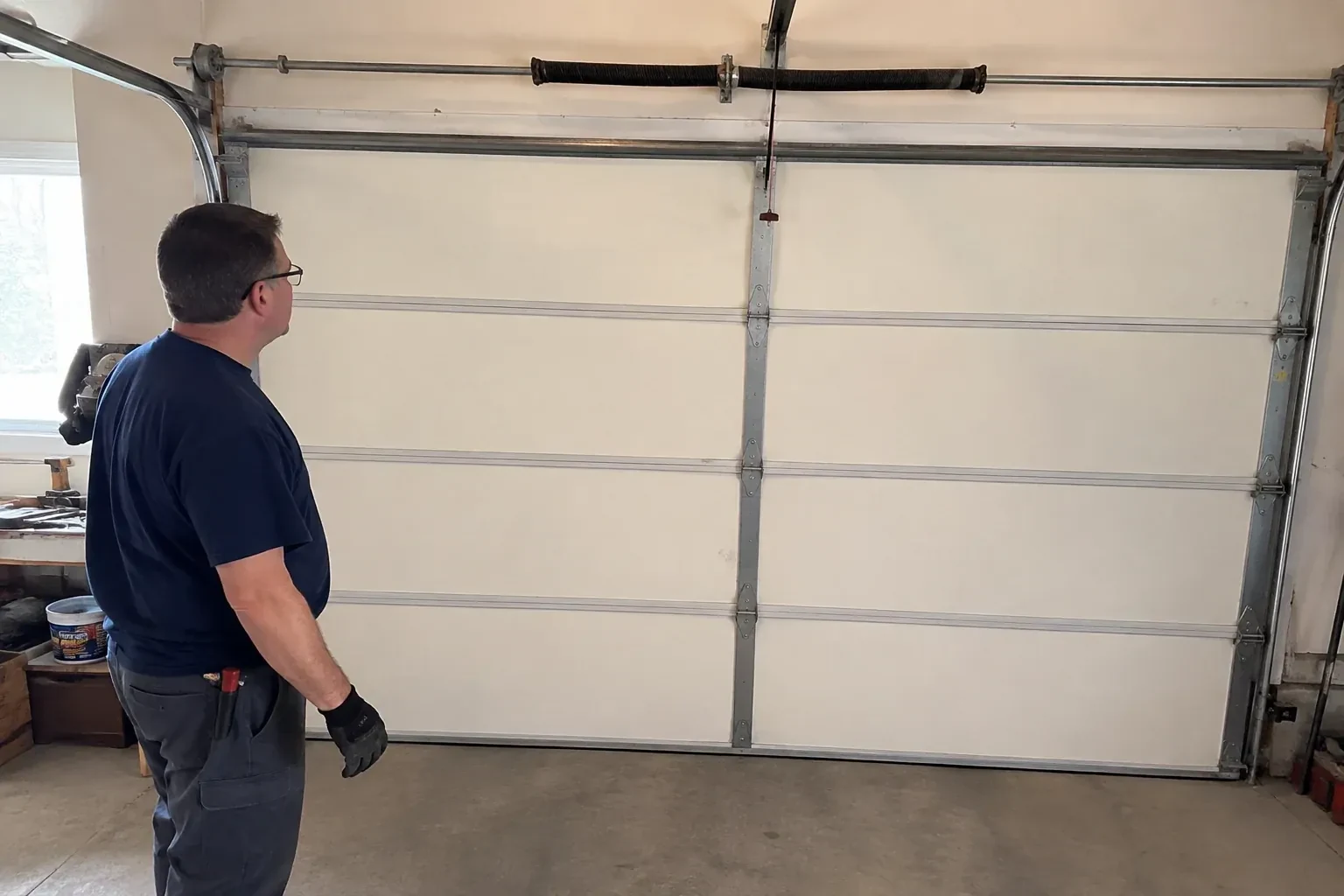
Balanced doors are lighter on everything: the opener, the hinges, the rollers and the arms of anyone who has to lift them in a power cut. The spring and cable work here is how that balance is set and kept.
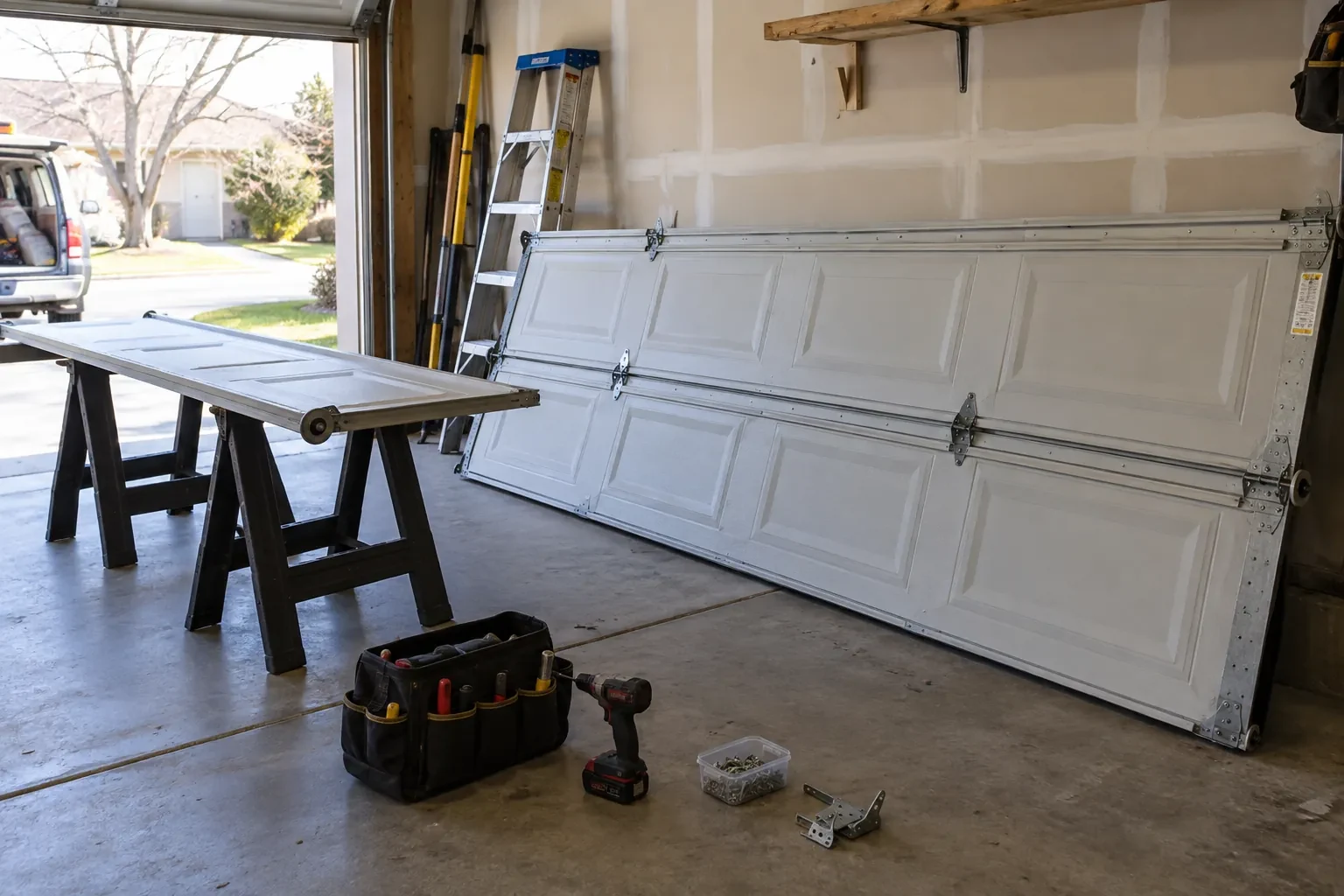
Panel replacement on a door that is still sound belongs in repair. A door where several sections are gone, the tracks are rusted and the springs are past their life belongs here, and we will tell you which case yours is.
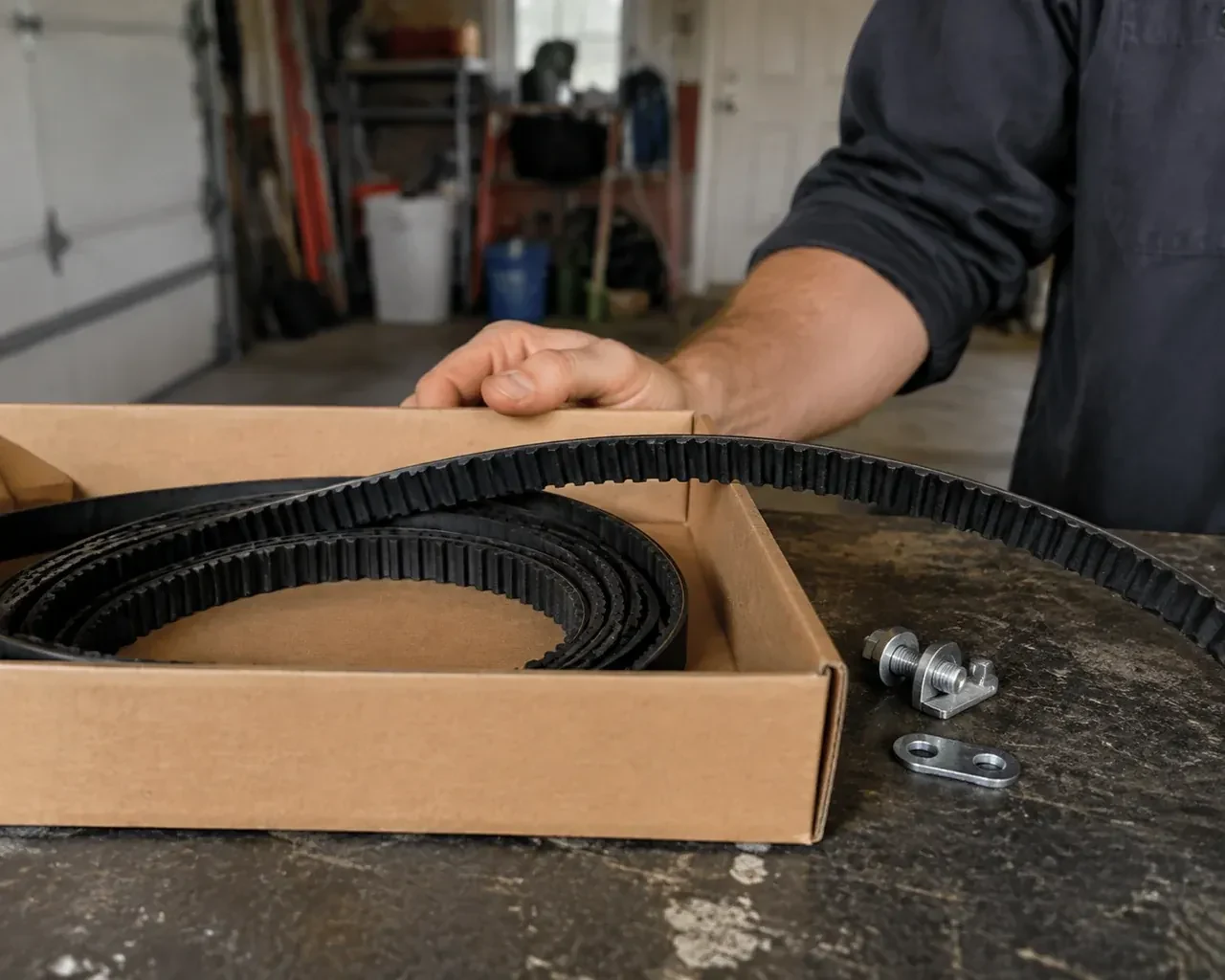
The belt looks fine from a distance, but up close the rubber has cracked across the back in dozens of places and, in one spot, you can see the steel cords showing through.
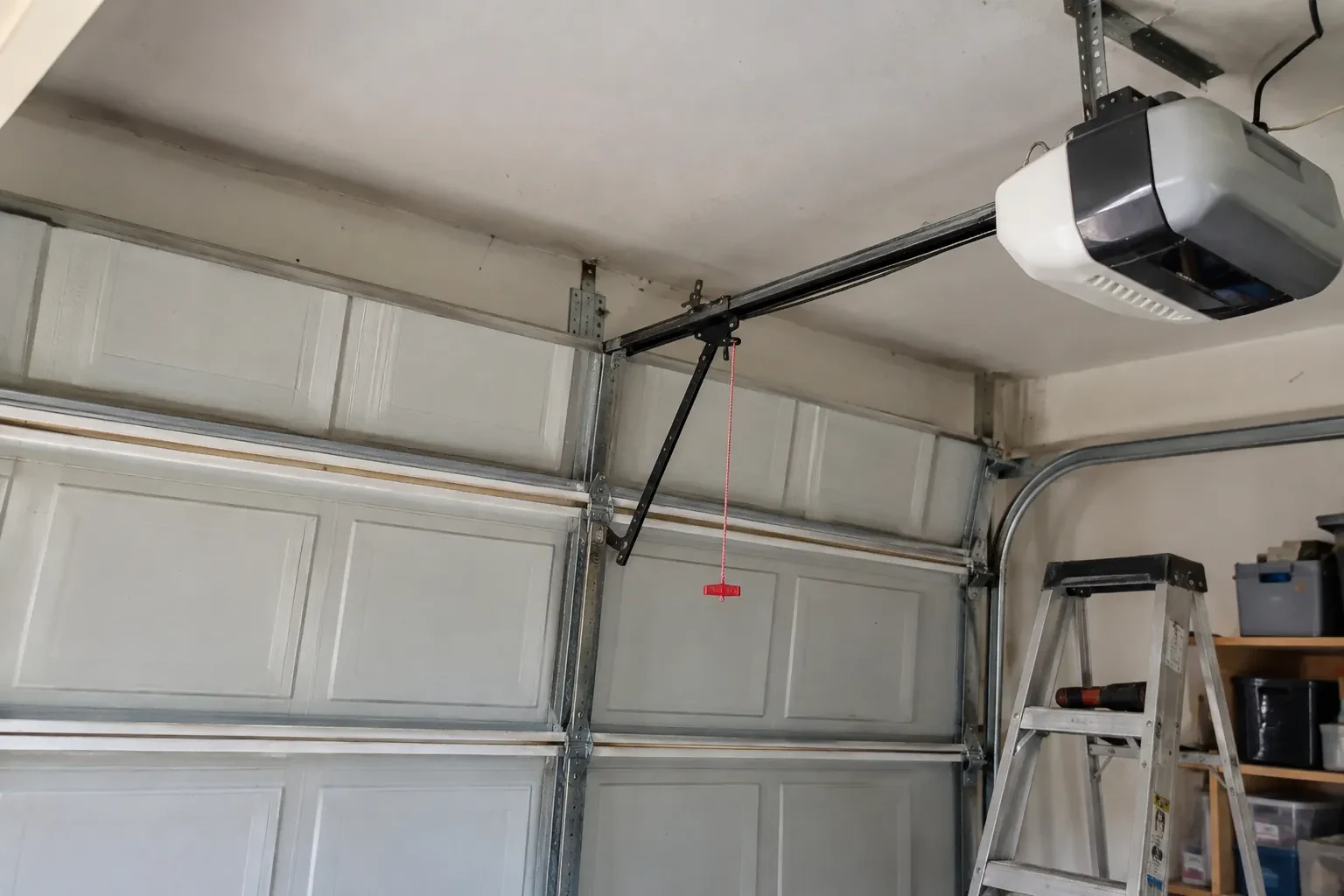
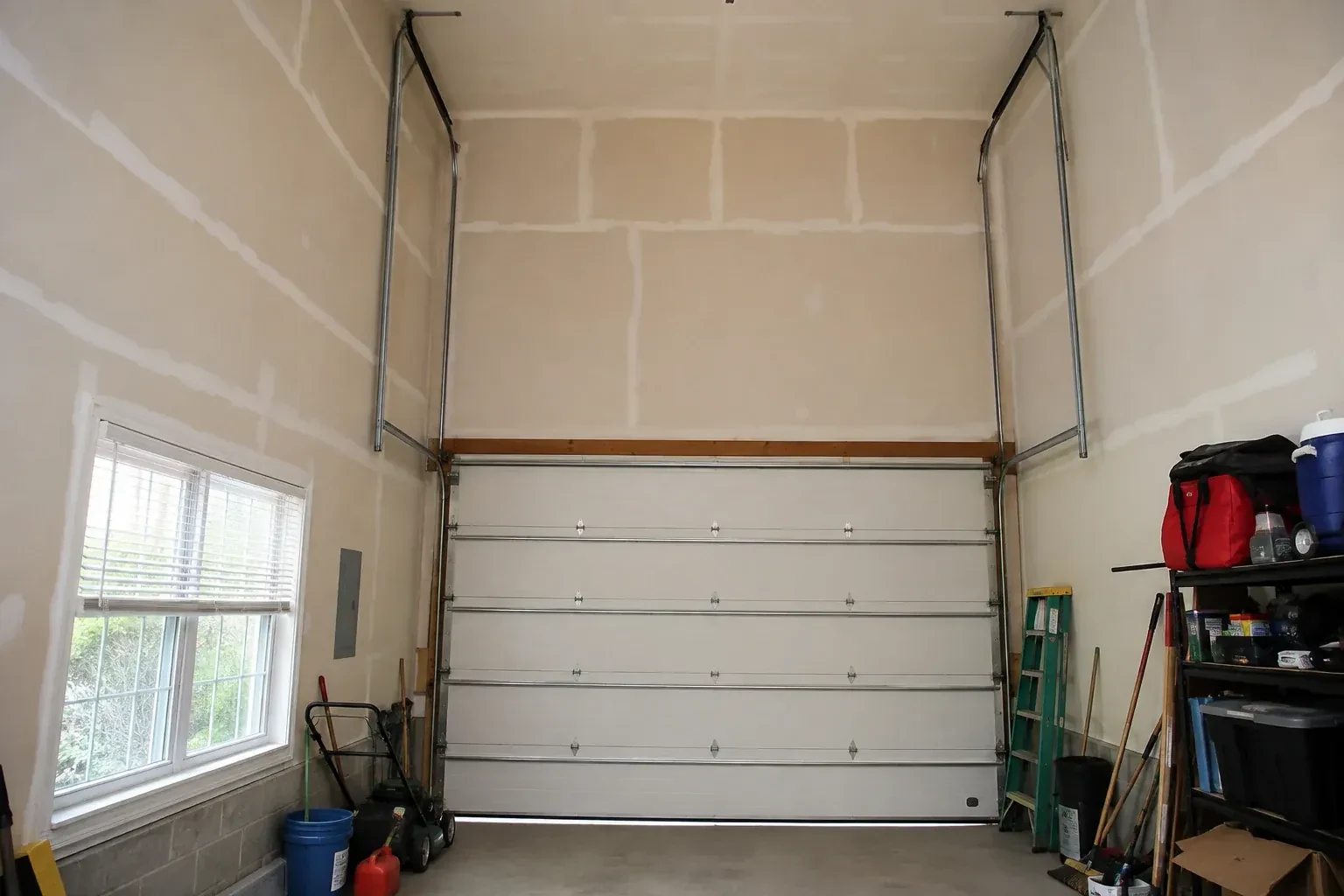
You want the ceiling back. A storage loft, a vehicle lift or kayak racks would fit if the long rail and motor box were not hanging in the middle of the garage, and the low ceiling of an older house leaves little room for the standard rail anyway.
On bright mornings the door will not close, then by lunchtime it behaves itself. The garage faces the low sun, and the light reaches straight across the floor to one of the little black sensors.
Someone in the family tried to add a remote, held the button on the ceiling unit a little too long, and now every remote in the house is dead at once. The wall control still moves the door.
The house came with a controller already screwed to the garage ceiling and a sensor on the door, but the app insists the device belongs to another account. The seller has moved provinces, the emails go unanswered, and every evening the door still reports to a stranger's phone.
It is the coldest morning of the year. A week of slush and road salt has crusted over the outside release lock, the key will not seat, and the opener inside is silent after the overnight outage.
Which fix fits?
The morning after a thaw the opener groaned, the door stayed stuck to the icy floor for a second, then lurched up crooked.
WhyWhat you get back is a door that runs its full height without a catch, hesitation or bang, with every roller seated in its channel and both sides rising together.
For a few days there was a grinding sound whenever the door started moving.
WhyOlder openers set their code with a row of tiny switches inside the remote and the receiver, and once those remotes stop being made the door seems stranded.
WhyBy the end of the visit your phone shows the door's true state, updates within a few seconds of any movement, and keeps a history of every open and close with the time, and the user when the command came from a signed-in app or virtual key.
The power went out in the middle of an ice storm, the car is inside, and when you reach up for the red handle there is nothing there.
WhyThe release only earns its keep on a door that behaves once it is free of the opener, so the visit starts with the door closed and a balance test rather than with the handle.
An entrance. Not an afterthought.
1/10Off-Track Garage Door Reset
The morning after a thaw the opener groaned, the door stayed stuck to the icy floor for a second, then lurched up crooked. It stopped halfway with a grinding scrape and has not moved since.
The garage doubles as a workshop, and with the heater running the floor near the door stays cold and the draft finds your ankles at the bench. When the wind is up you can feel the air moving under the door.
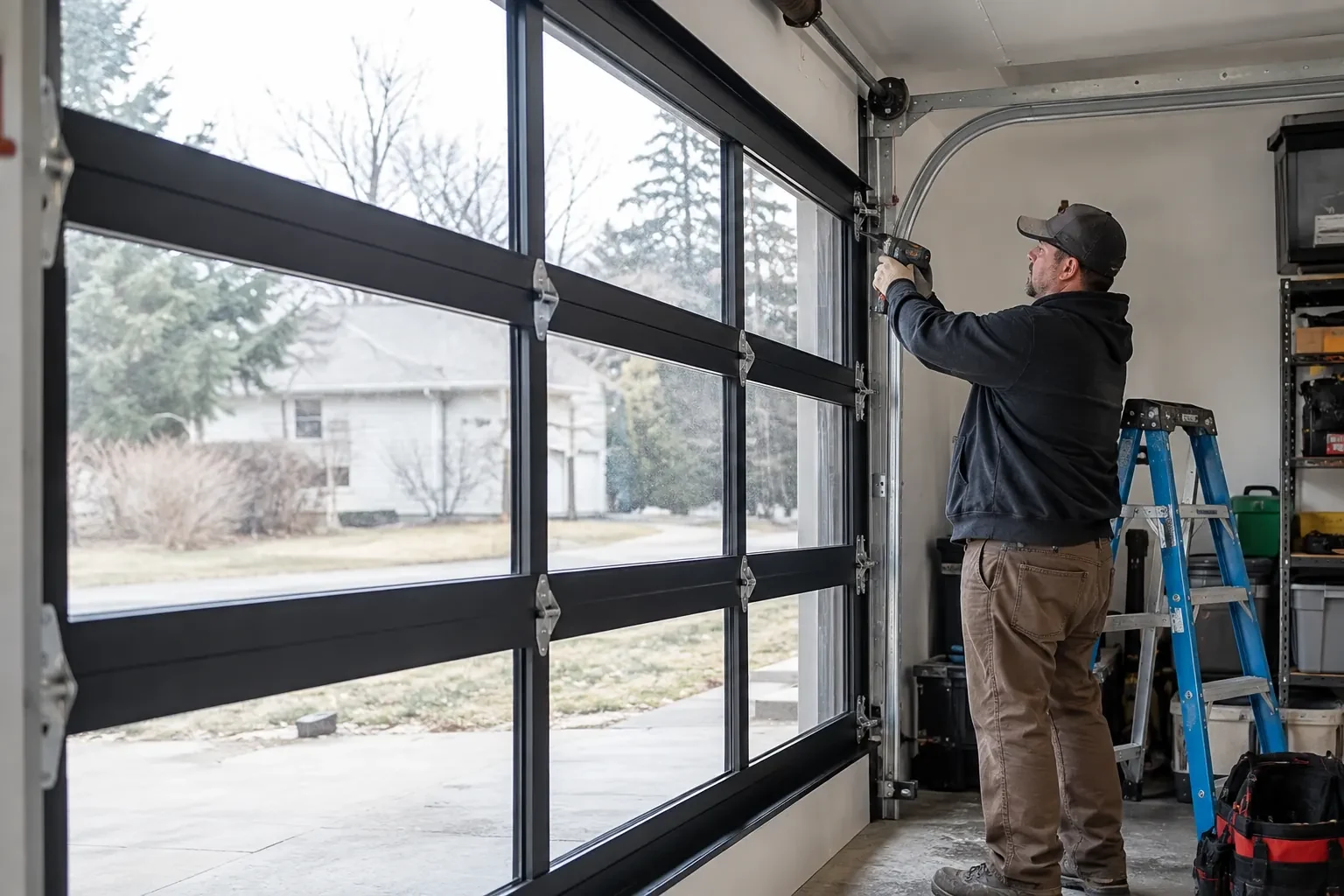
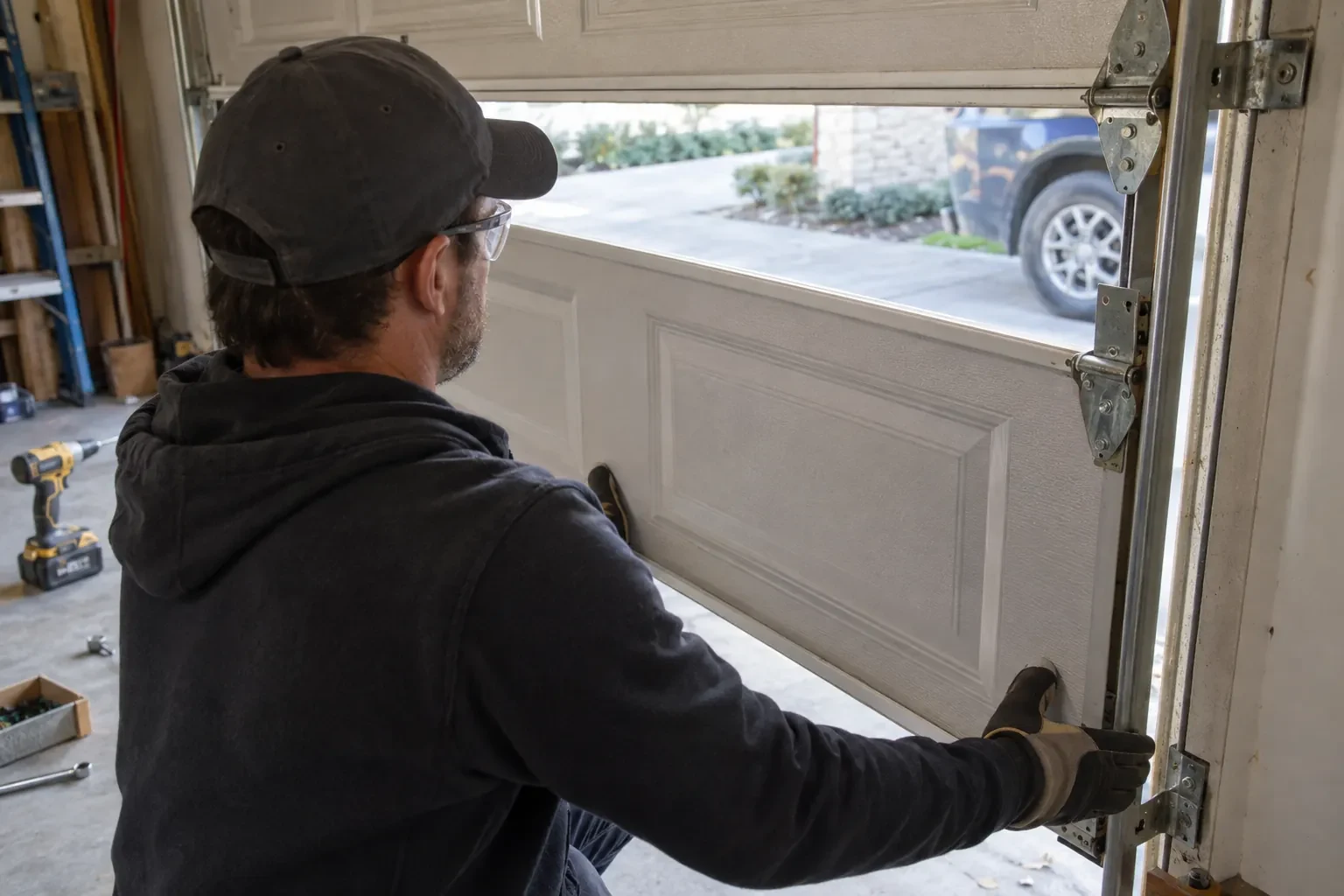
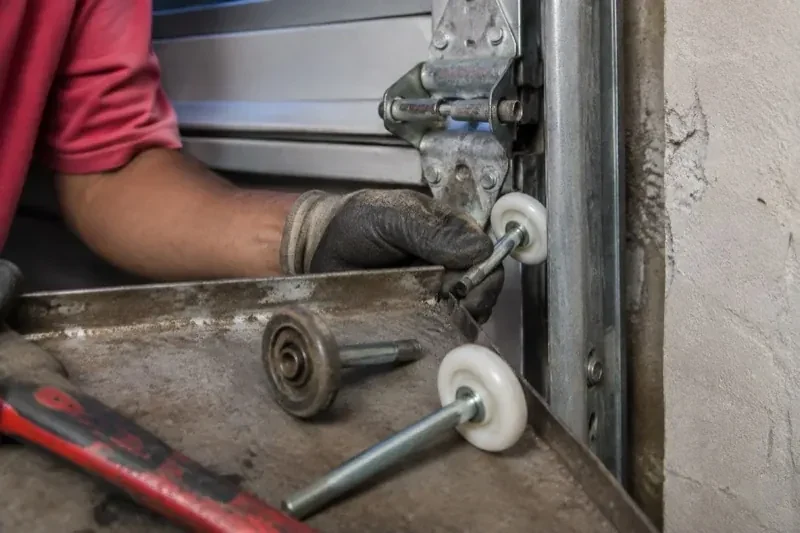
The car nudged the door on the way in. There is a dent low on one end, and above it the hinge that carries the roller is bent so the panel edges rub together and squeal as the door lifts.
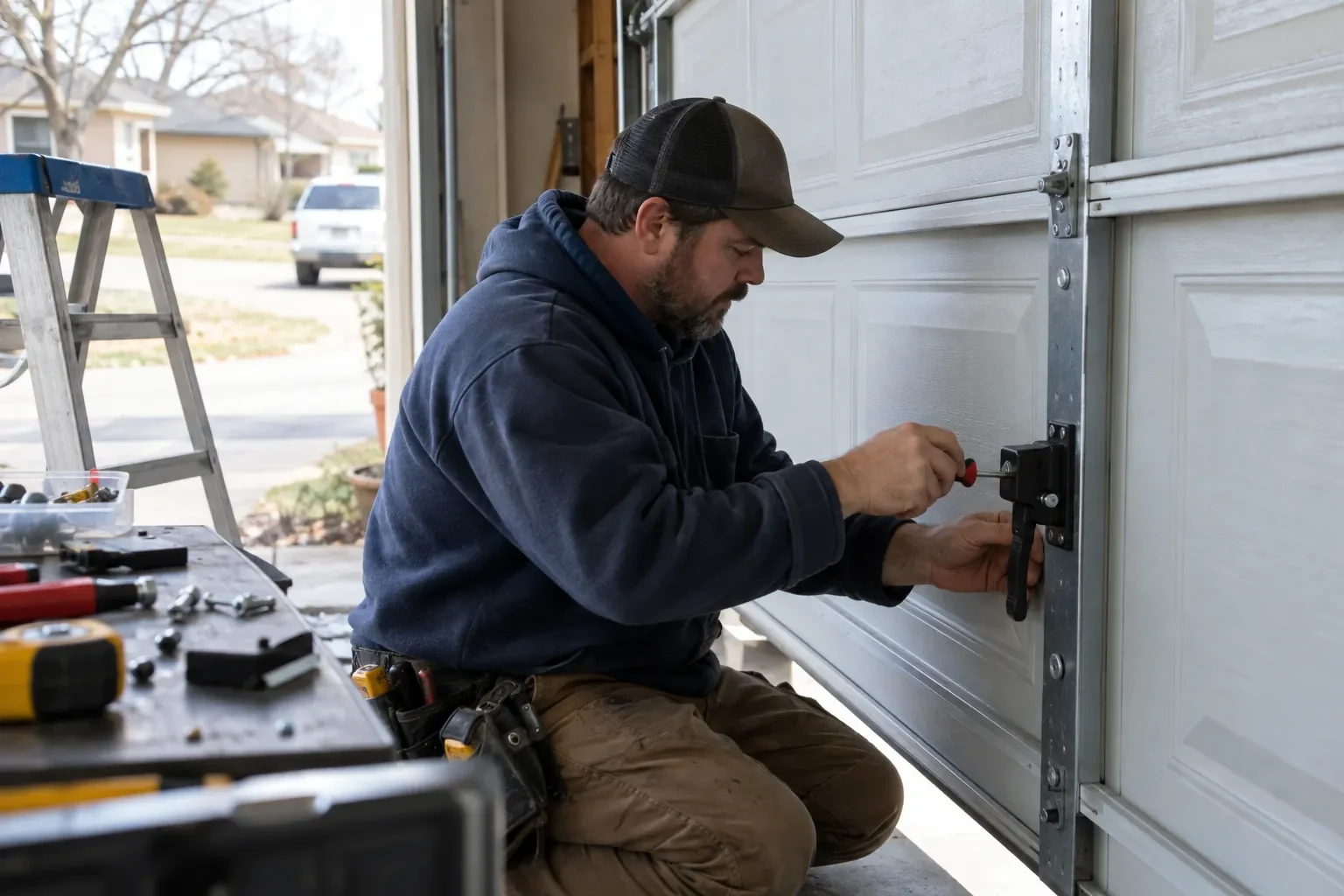
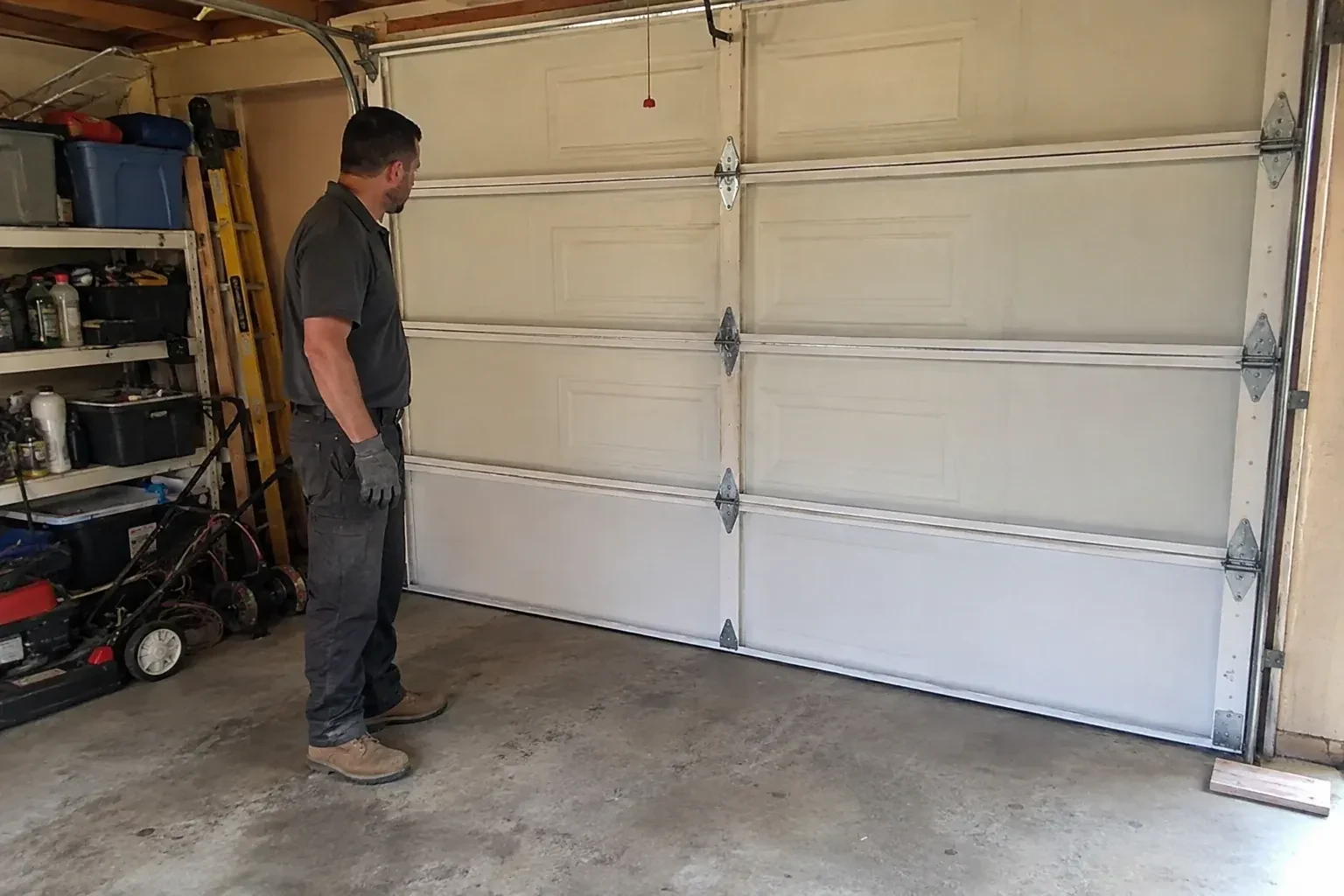
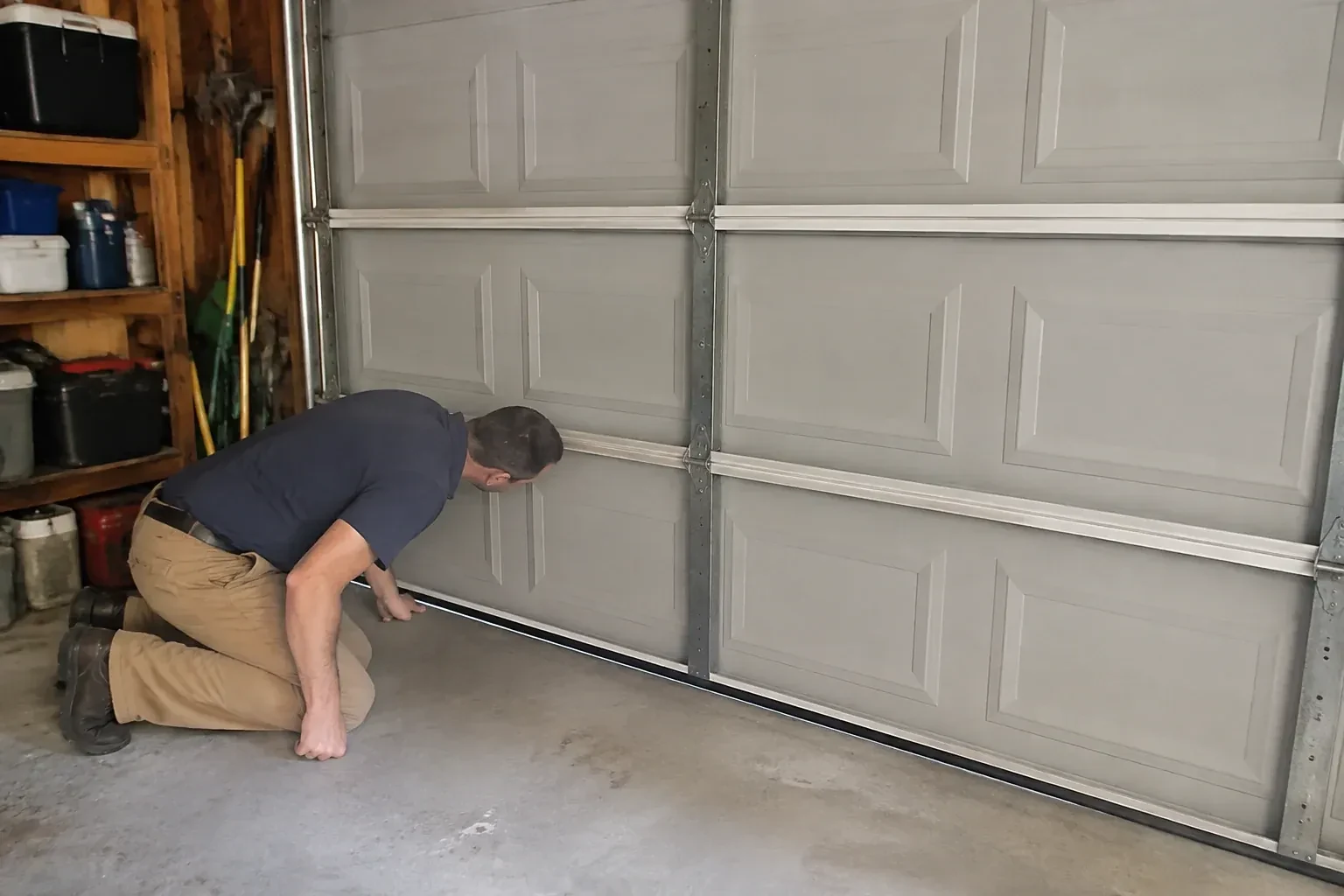
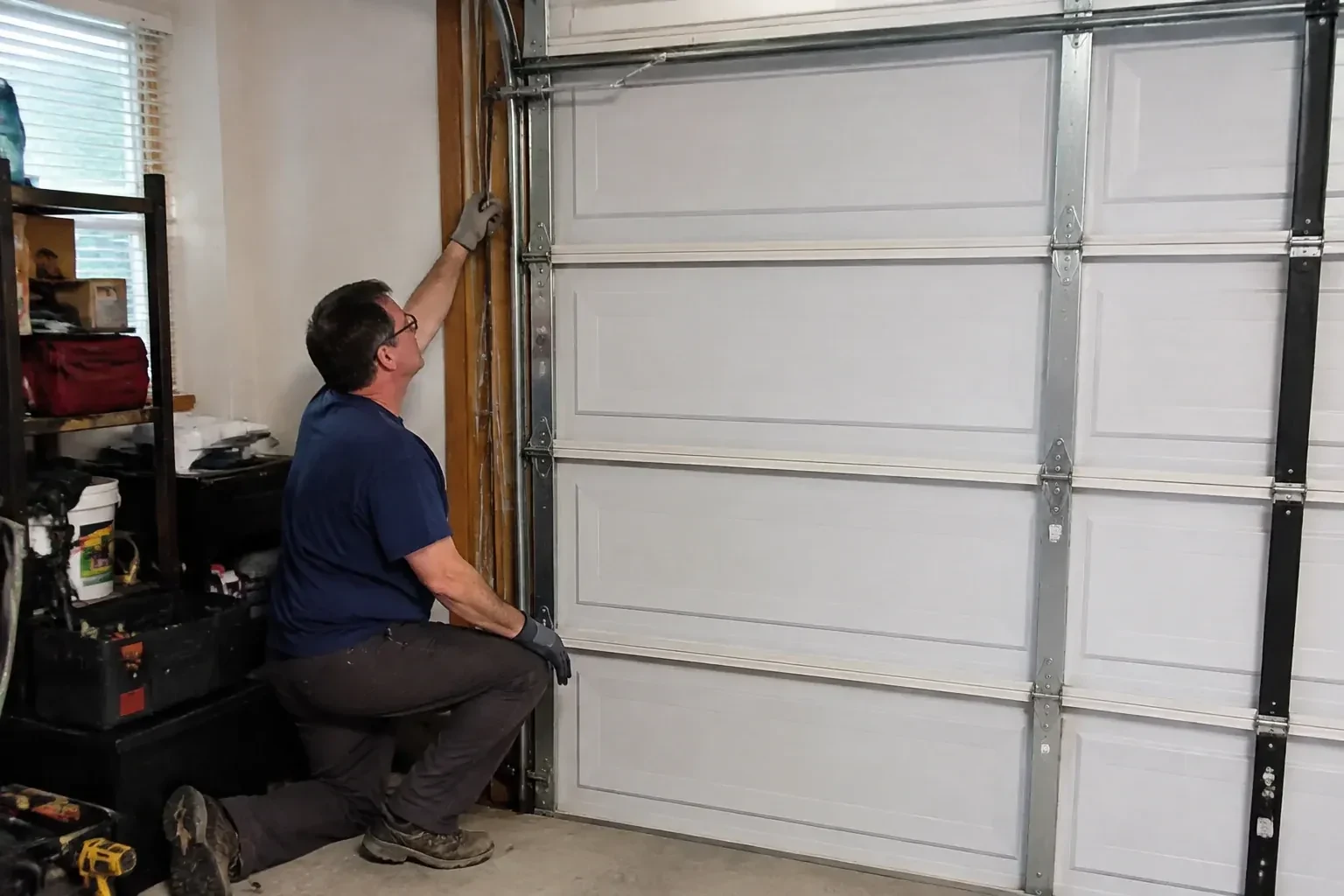
The door has started rubbing the frame on the left, leaving a shiny stripe down the weatherstrip. Looking closely, the bracket near the floor stands a finger's width off the wood, its screws half out.
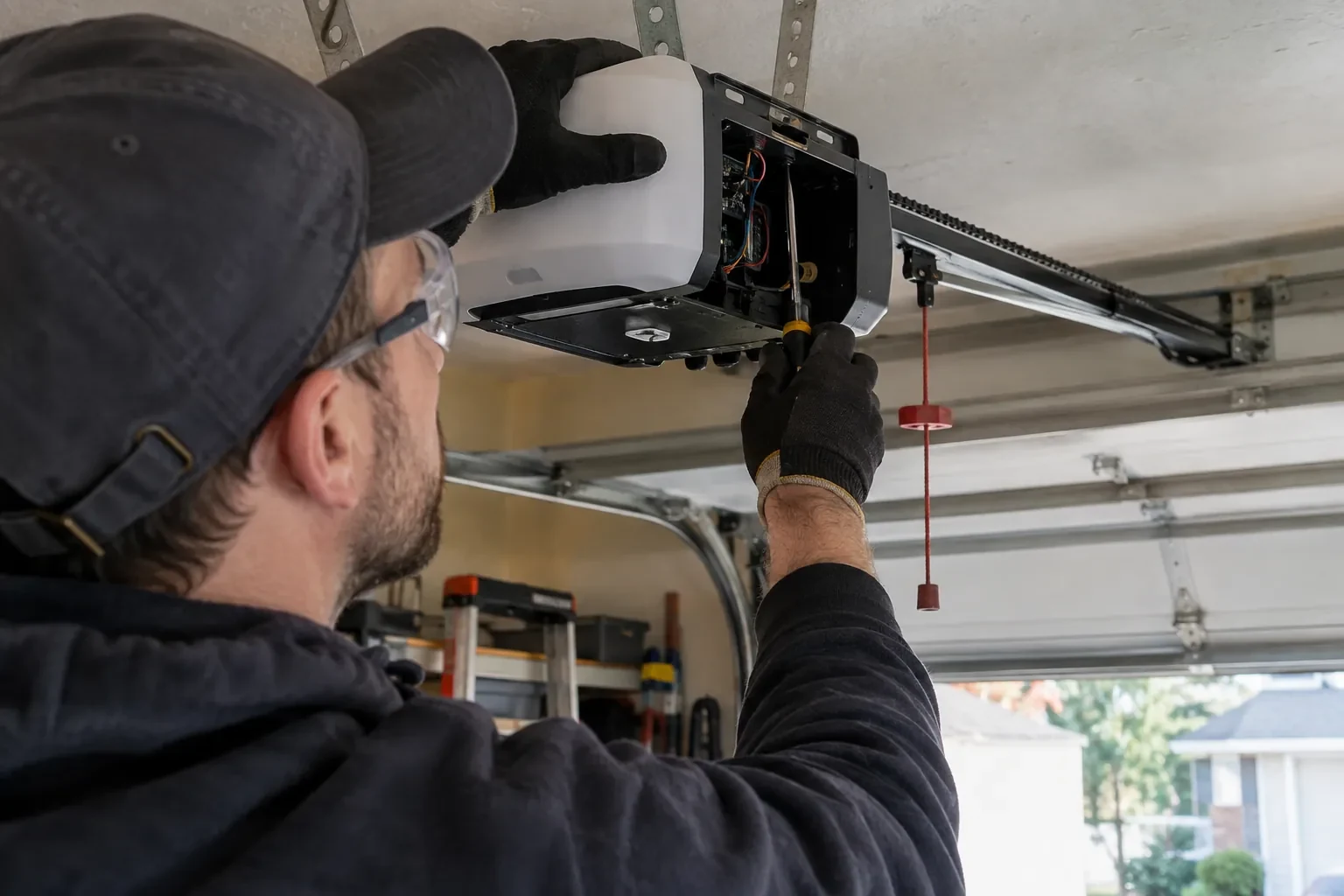
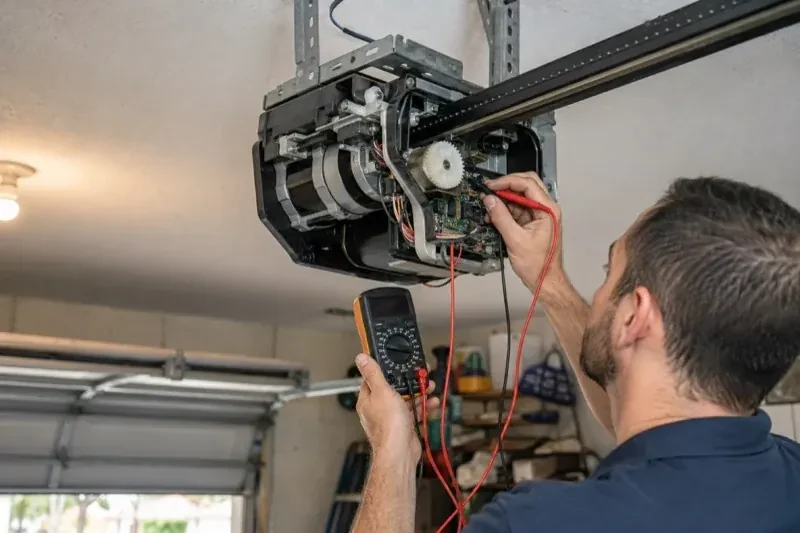
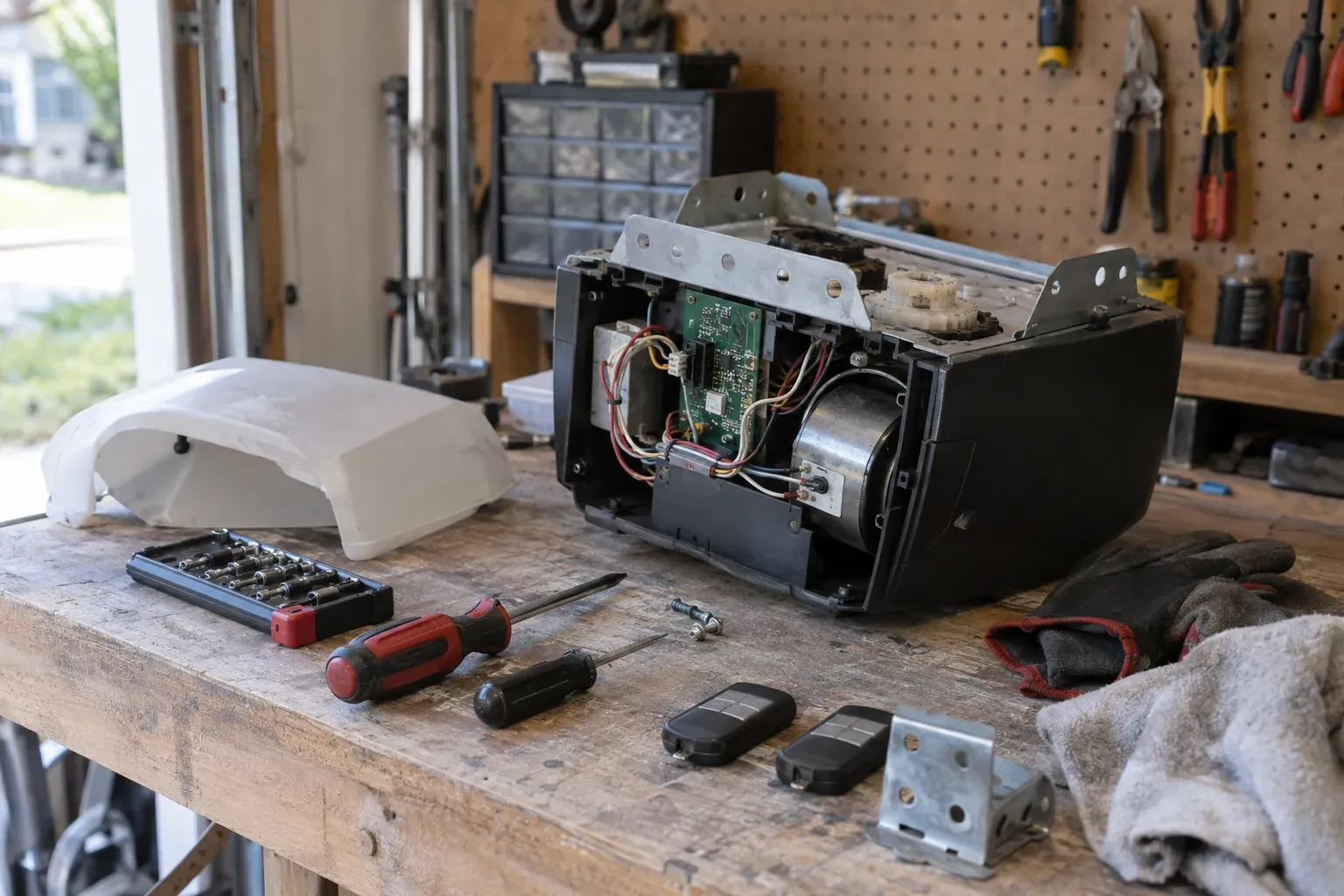
For a few days there was a grinding sound whenever the door started moving. Now the motor spins freely and the door stays exactly where it is. On the hood of the car there is a scatter of white plastic shavings that fell from the unit above.
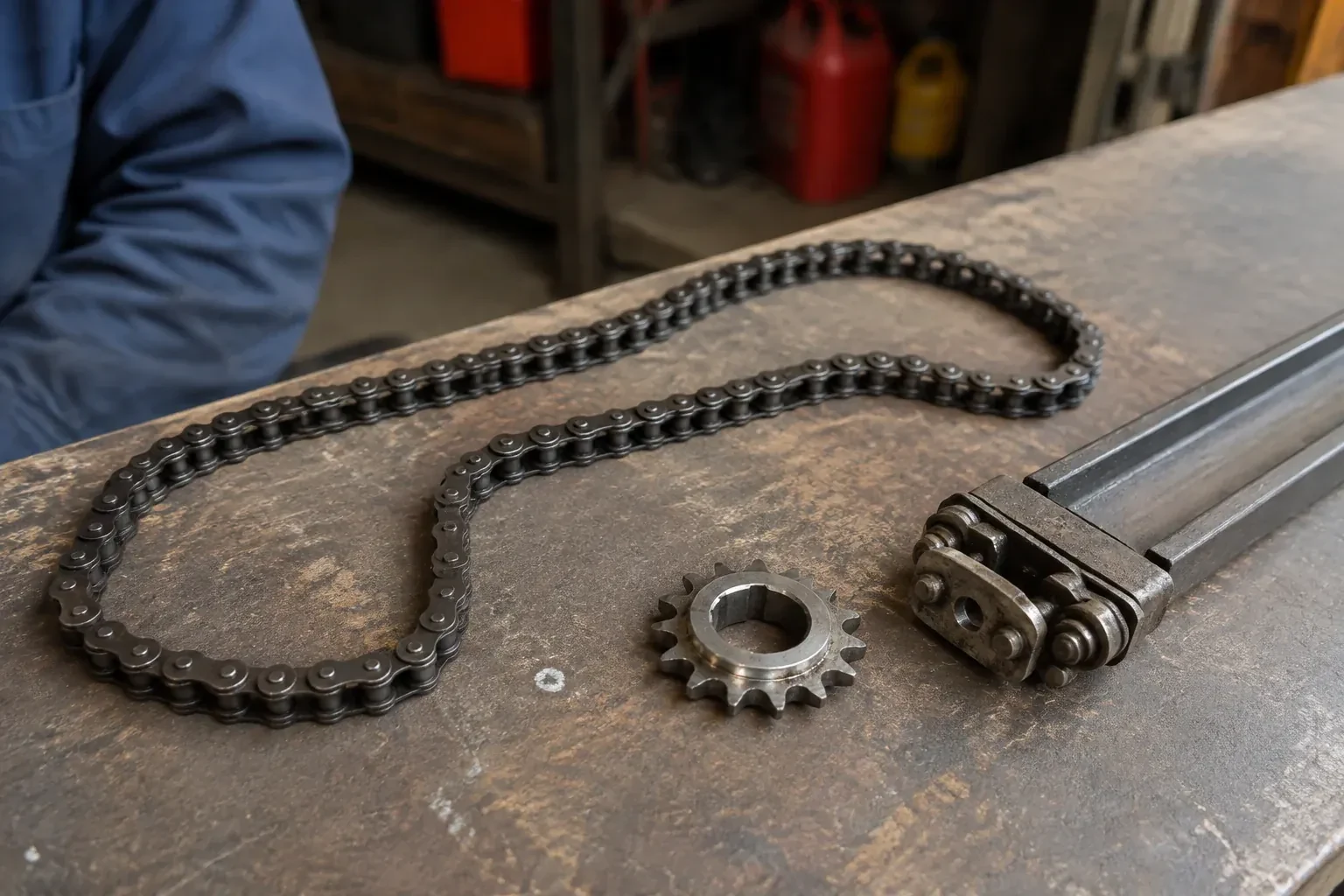
The chain in the detached garage went orange with rust over the winter, the links are stiff, and the opener strains and groans to pull the door up. By afternoon, once the garage warms, it behaves almost normally.
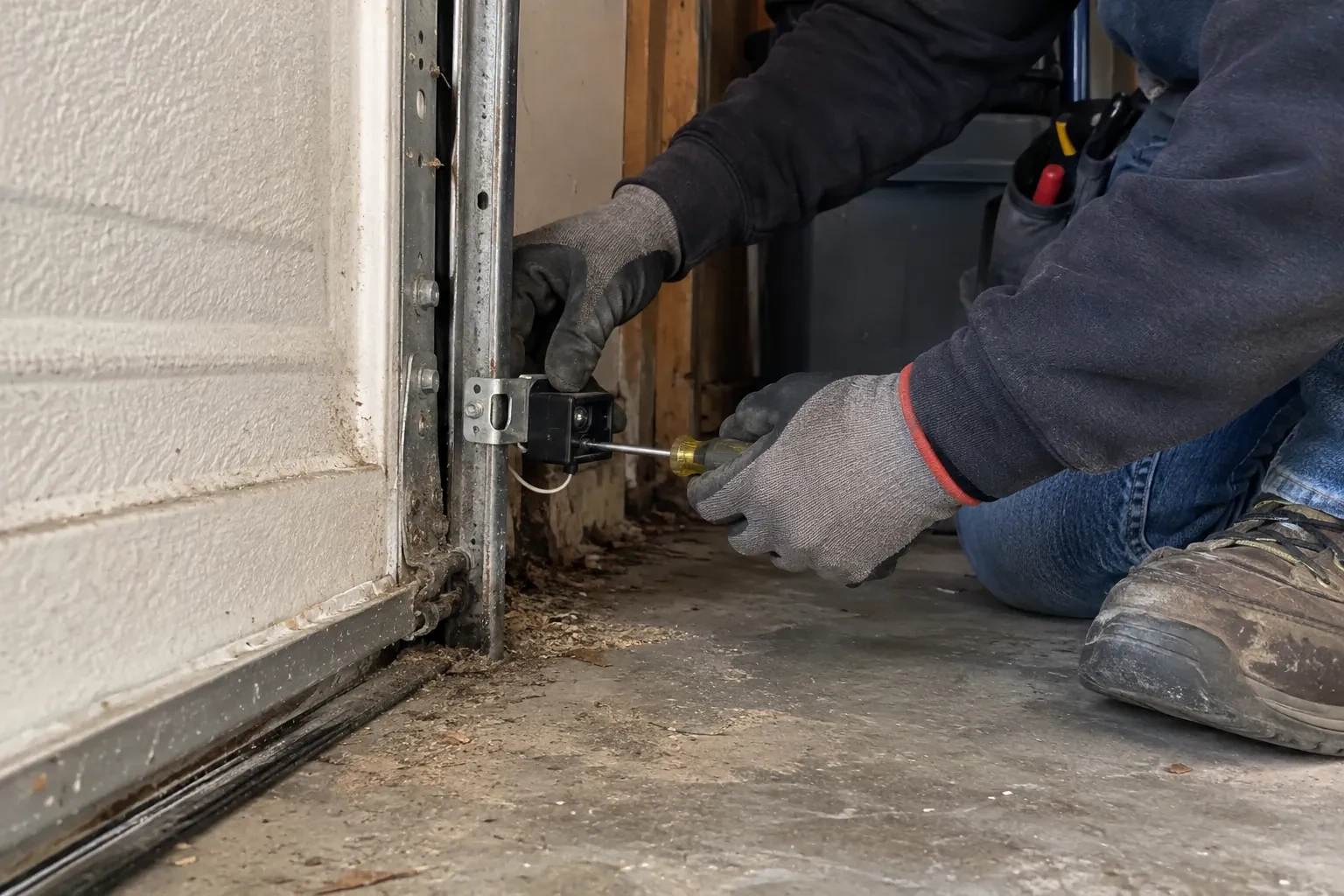
The small light on one of the sensors near the floor has gone dark, or it flickers when someone walks past the track. The other one glows steadily. The door refuses to close from the car.
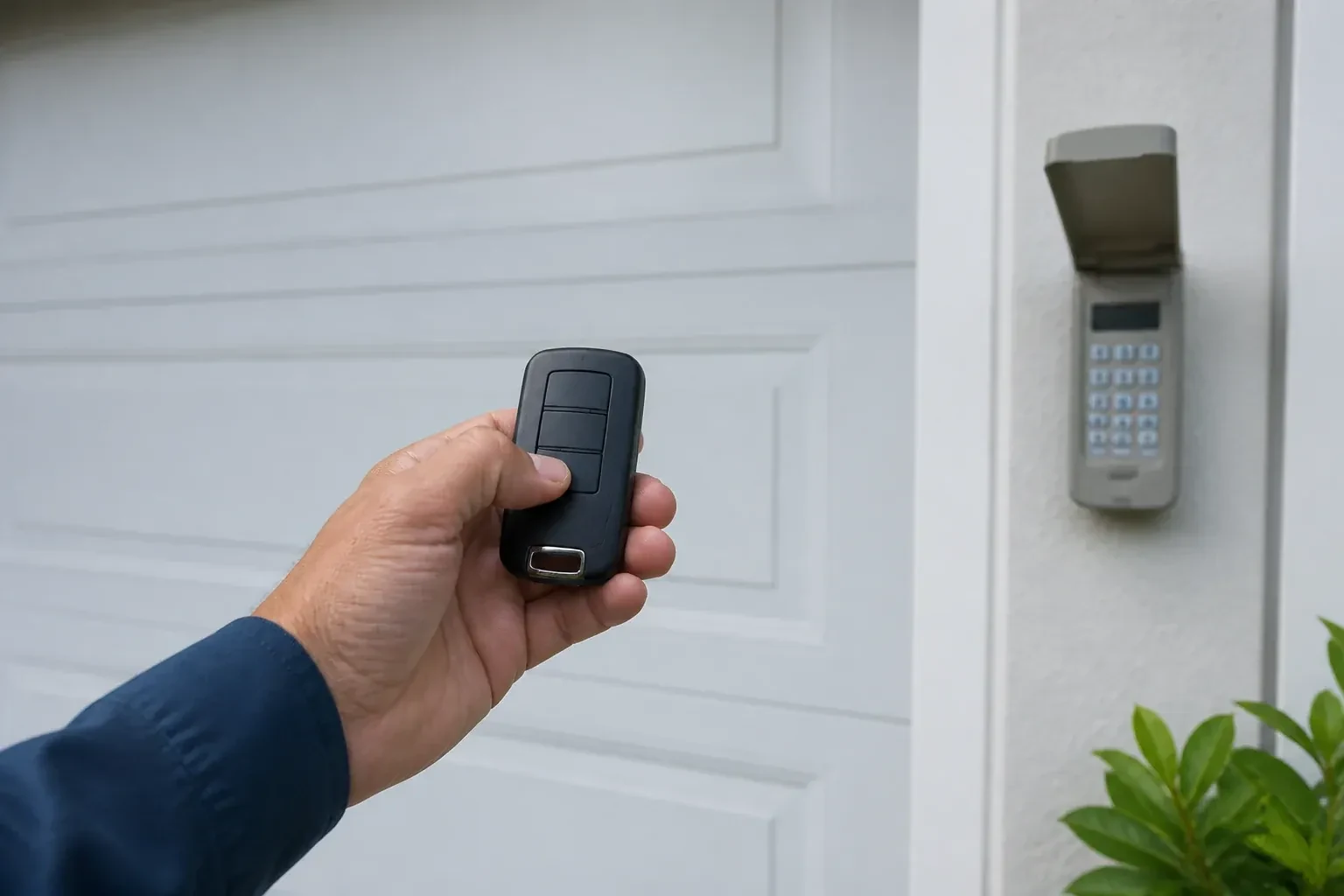
Someone in the family tried to add a remote, held the button on the ceiling unit a little too long, and now every remote in the house is dead at once. The wall control still moves the door. The remotes act as if they were never programmed.
One remote lives in a car you sold last spring. The other needs three presses from the driveway and its battery cover is taped on. Your phone is already in your hand when you pull in, and it would make a better opener.
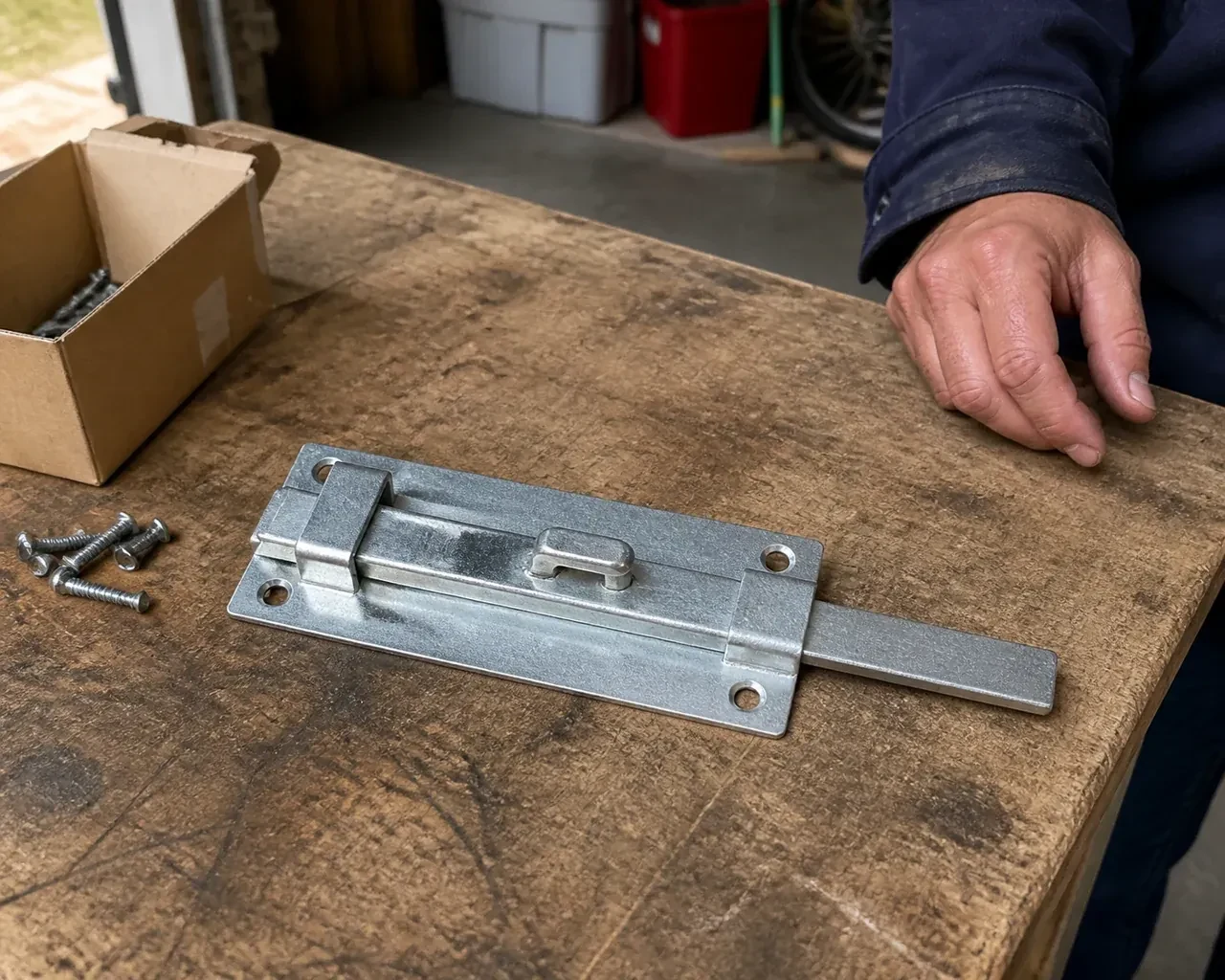
The power went out in the middle of an ice storm, the car is inside, and when you reach up for the red handle there is nothing there. A frayed stub of cord hangs from the trolley, well above your fingertips, and the door sits shut.
Sometimes, but not always. Once the door runs true by hand, the trolley is reconnected and the opener is checked against its own travel limits and force; those are only reset if that check shows they have drifted, since many openers need no force change after a repair like this. The reversal is then checked against a block laid in the door's path and by interrupting the photo eyes from a safe distance. If the opener strained hard during the event, its arm and bracket are checked too.
Why does the seal freeze to the floor, and what should I do when it does?
Snow melts off the car, runs to the low point at the door and refreezes overnight around the seal. When that happens, leave the remote alone, since the opener will tear the strip or pull the door out of level. Free the seal by hand with gentle warmth along the line or by working a plastic scraper under it, then run the door. A film of silicone on the seal each autumn largely prevents it.
Can a light bump from the car damage a hinge?
Yes, more often than people expect. The bottom two panels take the contact, and the edge hinge at that joint bends along with the stile behind it, so the panel edges rub and the roller leans. The damage sometimes only shows as a new squeak at the curve. The technician straightens or renews the stile, fits a new hinge and roller, and checks the strut and track on that side.
Why is there a gap between the track and the edge of the door?
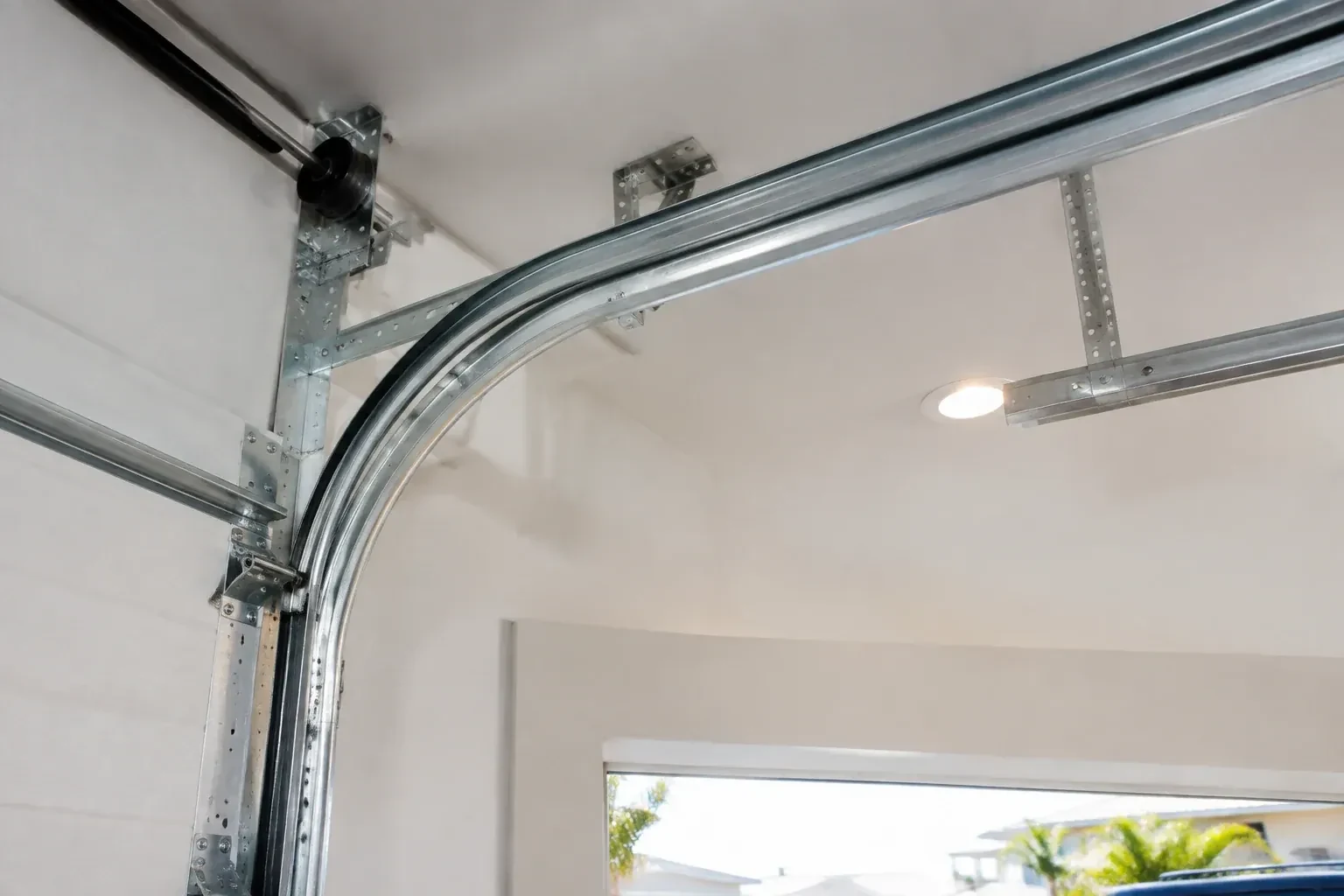
That gap is intentional. The rollers sit on stems that reach out from the hinges, and the track stands a set distance from the door so the wheels ride in the channel without the door's edge touching the track. The gap should be equal on both sides and slightly larger at the top of the vertical run, which is the taper that lets the door seal at the stop and release on opening. Unequal gaps are a sign the track has moved.
Should I lubricate the chain, the rail or the track?
Rollers, hinges, bearings and springs benefit from a garage door lubricant once or twice a year. The chain, belt or screw-drive rail is a separate question, since each drive type calls for its own product and schedule from the opener's manual rather than one rule for every unit. The track itself should stay clean and dry, because lubricant there collects grit and makes rollers slide instead of turning. The technician can point out the spots on your door at the end of the visit.
What does the sprocket do, and how does it wear?
The sprocket is the toothed wheel on top of the motor head that pulls the chain. Every cycle drags the chain over its teeth, and over years the teeth wear thin and hooked, letting the chain ride up and skip under load, often at the same point on the rail each time. A sprocket that has loosened on its shaft lags behind the motor. Worn sprockets are replaced as part of the gear and sprocket assembly.
Will the sensors need replacing or just aligning?
Most visits end in alignment, cleaning and bracket work, because the sensors themselves are hardy. Replacement comes into it when a lens has clouded or crazed, when the housing is split or holds water, an indicator stays dark with the wiring proven good, or the pair is from a different generation than the opener and is never recognised. The technician tests before choosing, so the parts list matches what the door needs.
How long do I have after pressing the learn button?
Roughly half a minute on most openers. Press and release the button, then press the remote button you want to use until the opener light blinks or the unit clicks. If the window closes before you finish, simply press the learn button again and repeat. The window is short on purpose, so a passing signal cannot slip into the memory.
Will I get an alert if the door is left open?
That is one of the first settings made. You choose how long the door can stay open before you hear about it, often ten or fifteen minutes, and the notification goes to every phone on the account or only to some. In a climate with real winters this single alert saves a good deal of heat, and occasionally a pipe in the wall shared with the house.
The motor hums and the trolley is jammed at the end of the rail. What happened?
The trolley has been driven into the stop bolt or stop tab, usually because the travel limit let it run too far. The technician frees it by pulling the release, slackening the chain or belt a few turns, running the motor so the trolley walks off the stop, then correcting the travel limit and re-tensioning the drive. The reversal tests are repeated afterwards, since the limits were changed.
Request a visit
Households in Sunkist Beach are not left guessing about cost. The technician assesses the door, explains the cause, and gives the price on the spot, before starting. There is one fee whatever hour we arrive, and if you decide to wait or think it over, that is a perfectly acceptable answer.