Garage Doors in Royal Beach, OntarioRollers, hingesand the small parts.
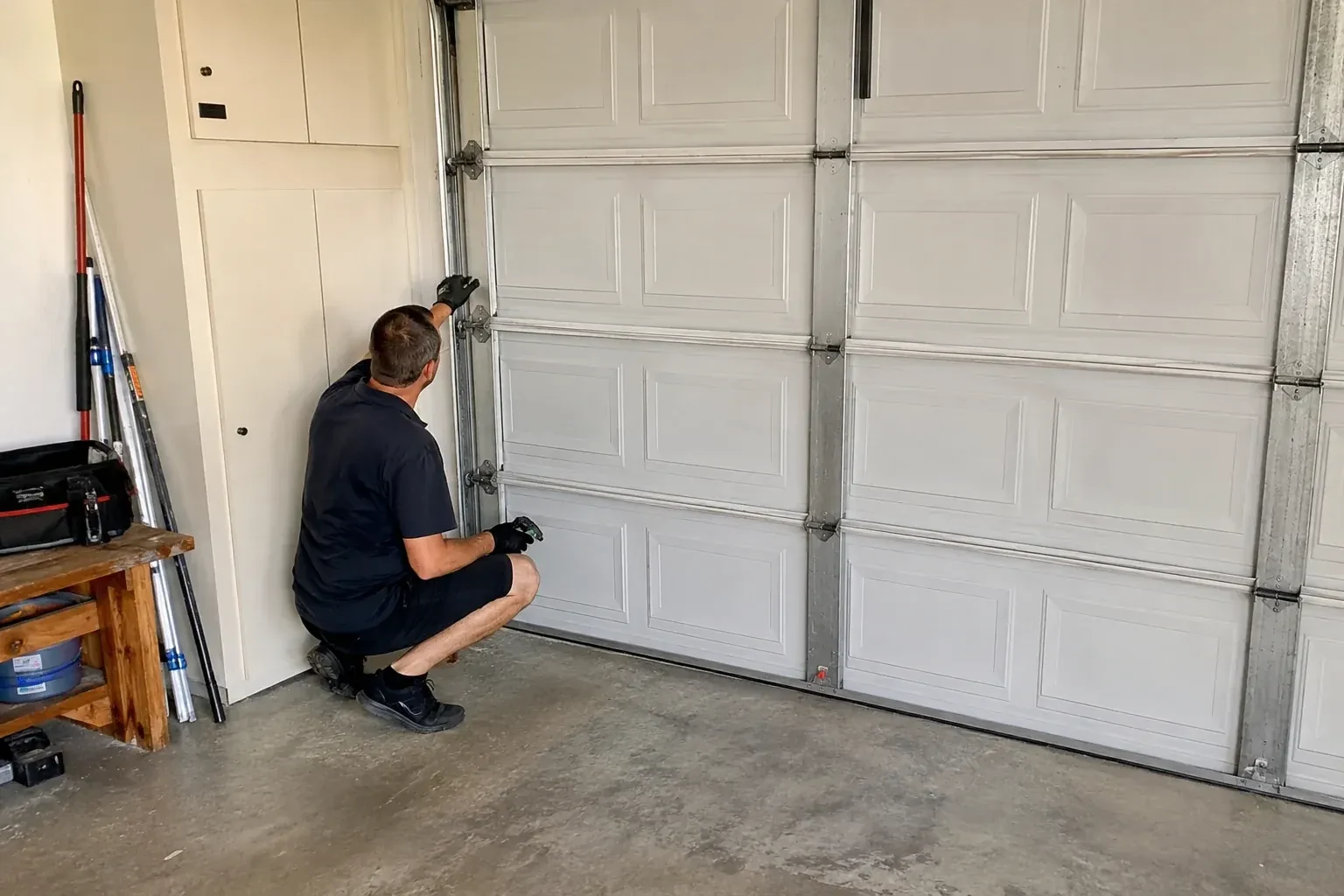
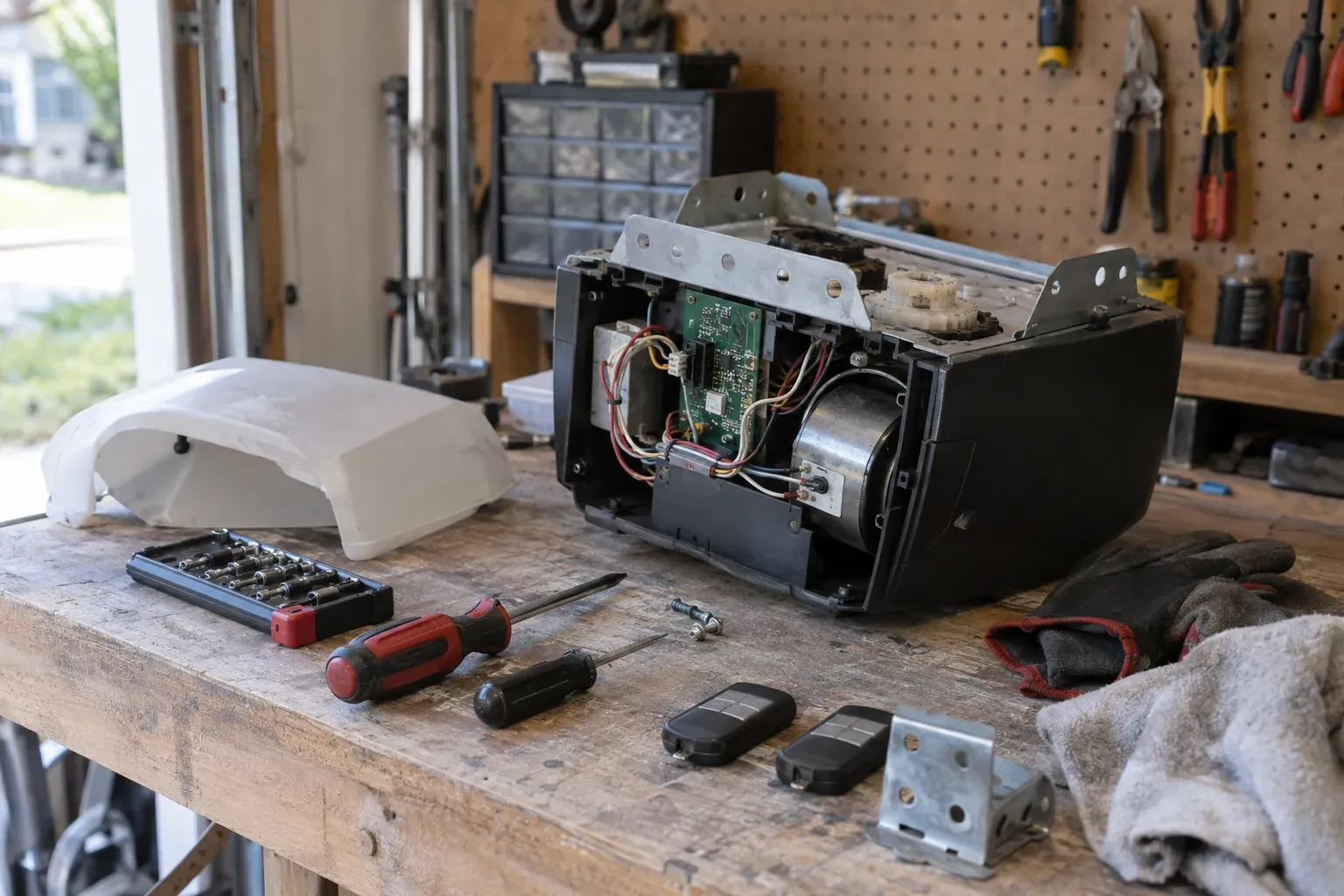
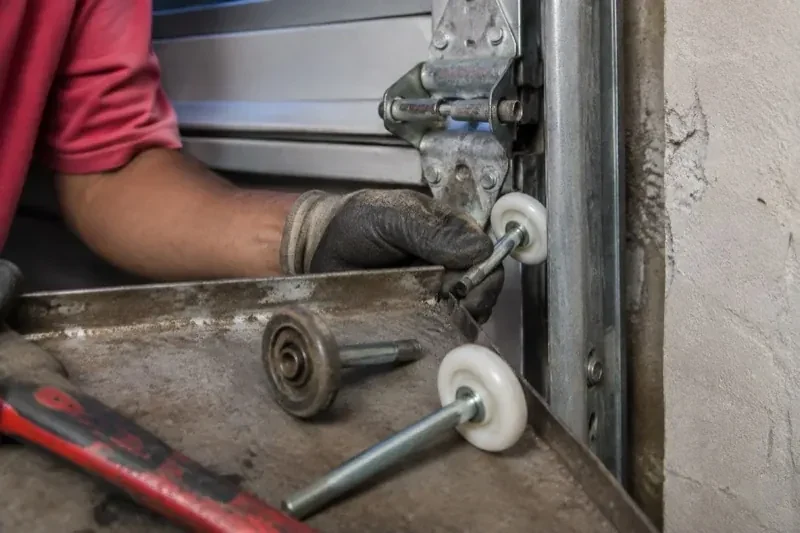
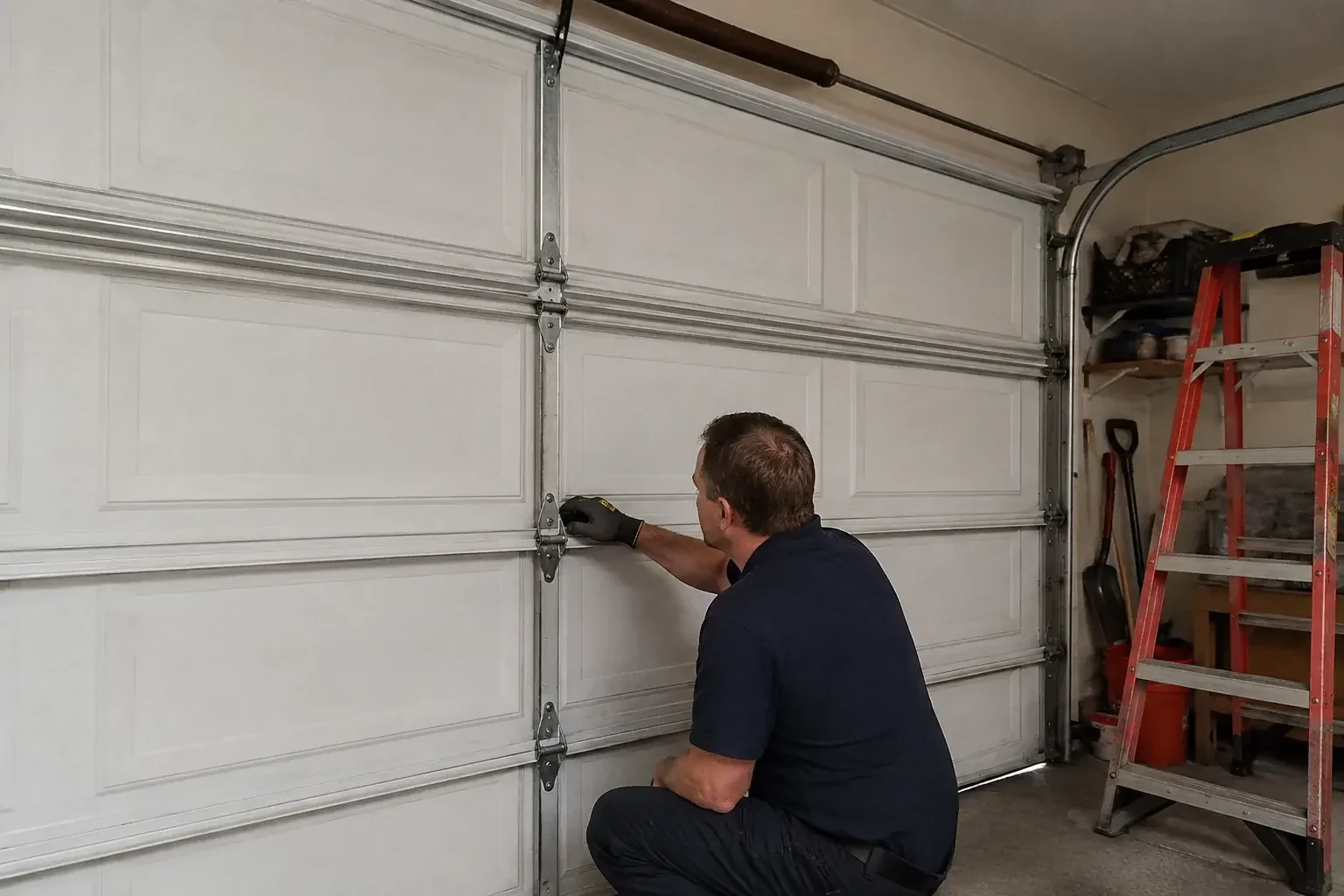
Most of what goes wrong with a garage door in Royal Beach is small: a cracked roller, a hinge with an oval hole, a bearing that dried out. We carry those parts, replace them in sets so wear stays even, and lubricate the rest, which is often all a noisy or sticky door needed. The same crew covers Cedarbrae and Virginia.
Most of what goes wrong with a garage door in Royal Beach is small: a cracked roller, a hinge with an oval hole, a bearing that dried out. We carry those parts, replace them in sets so wear stays even, and lubricate the rest, which is often all a noisy or sticky door needed. The same crew covers Cedarbrae and Virginia.
Keeping the weather on the outside.
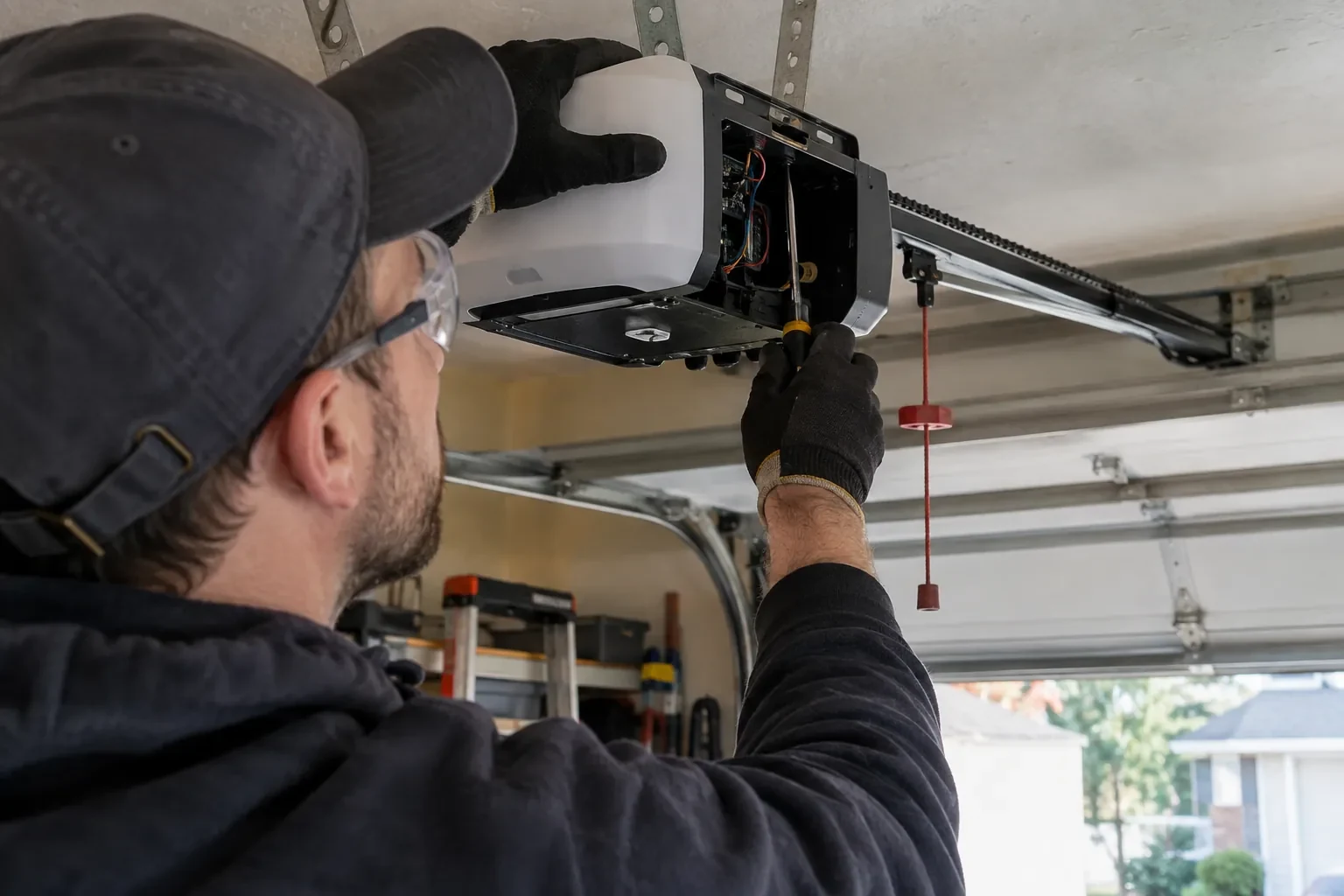
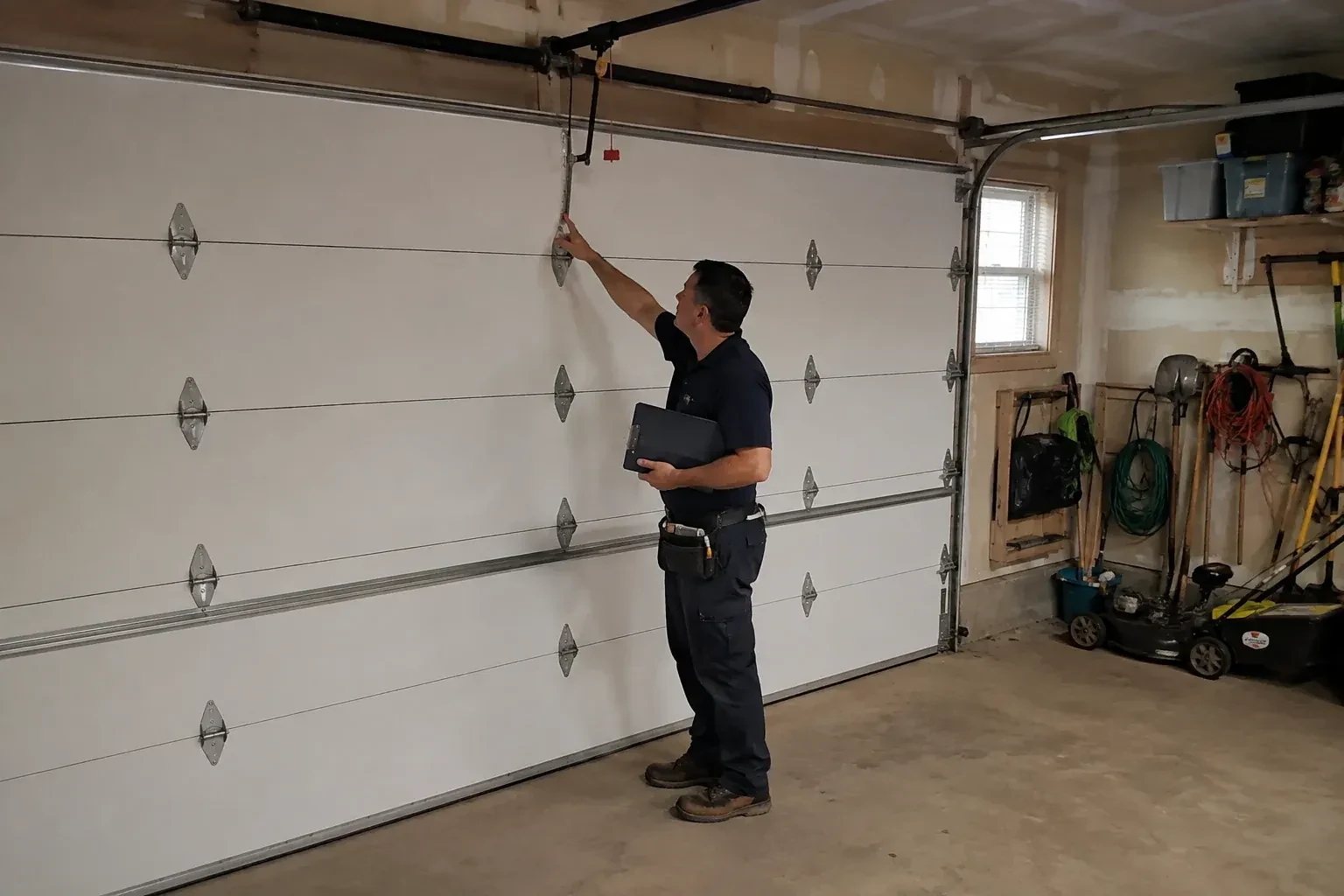
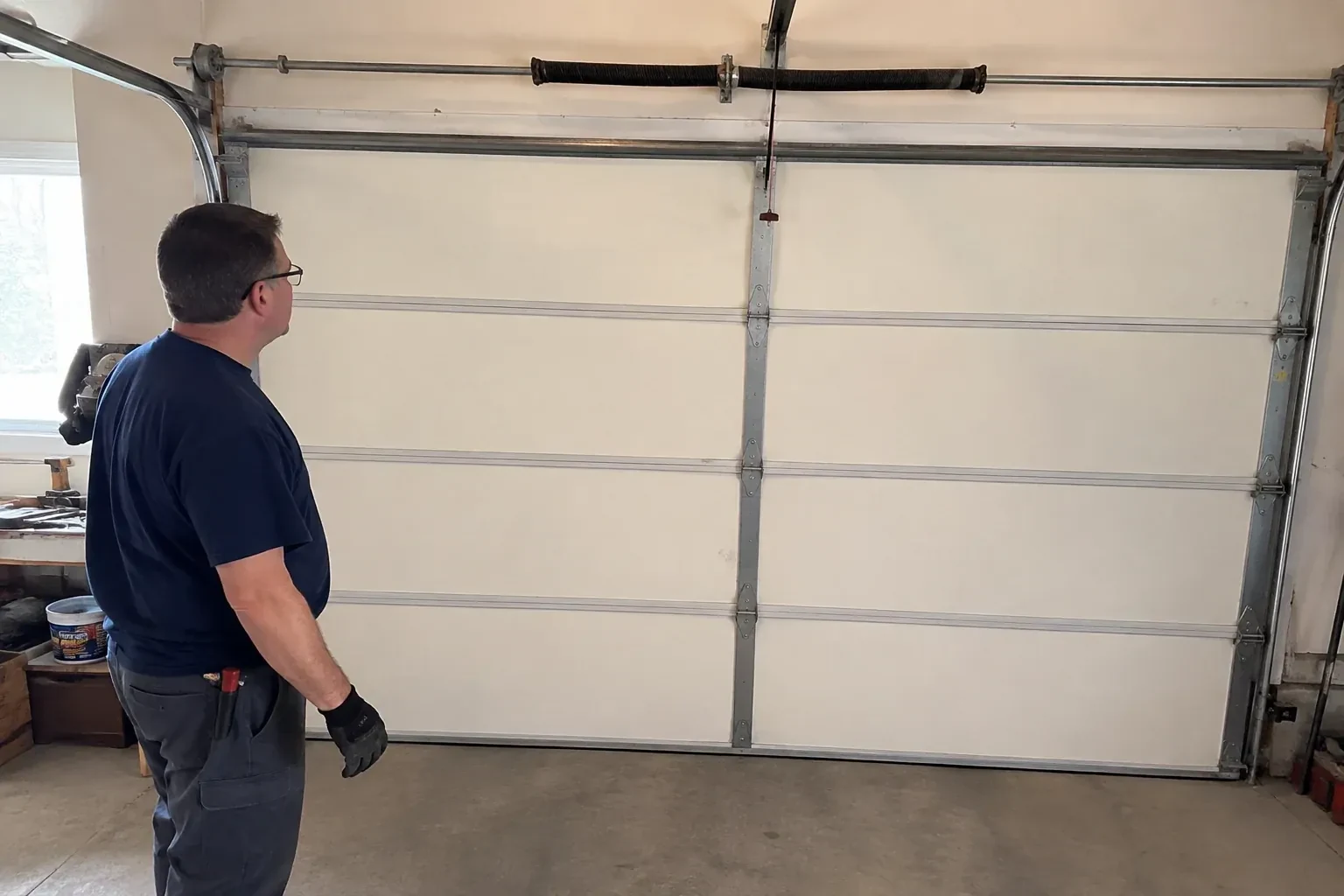
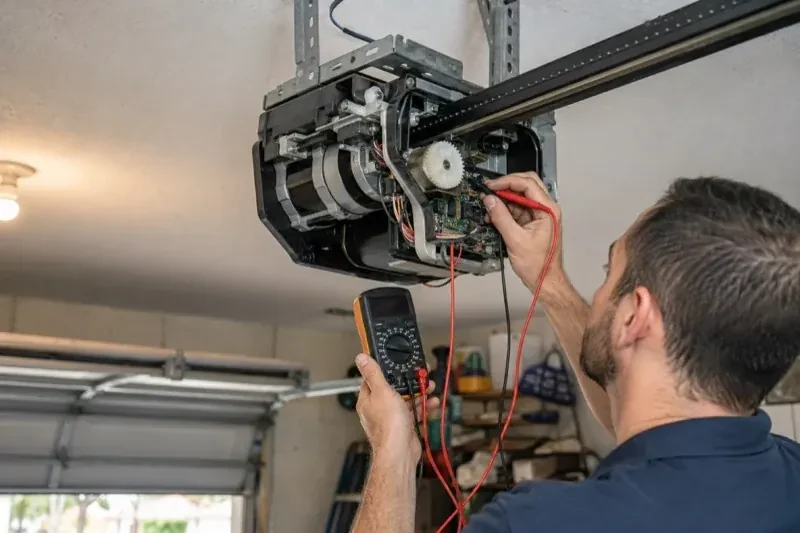
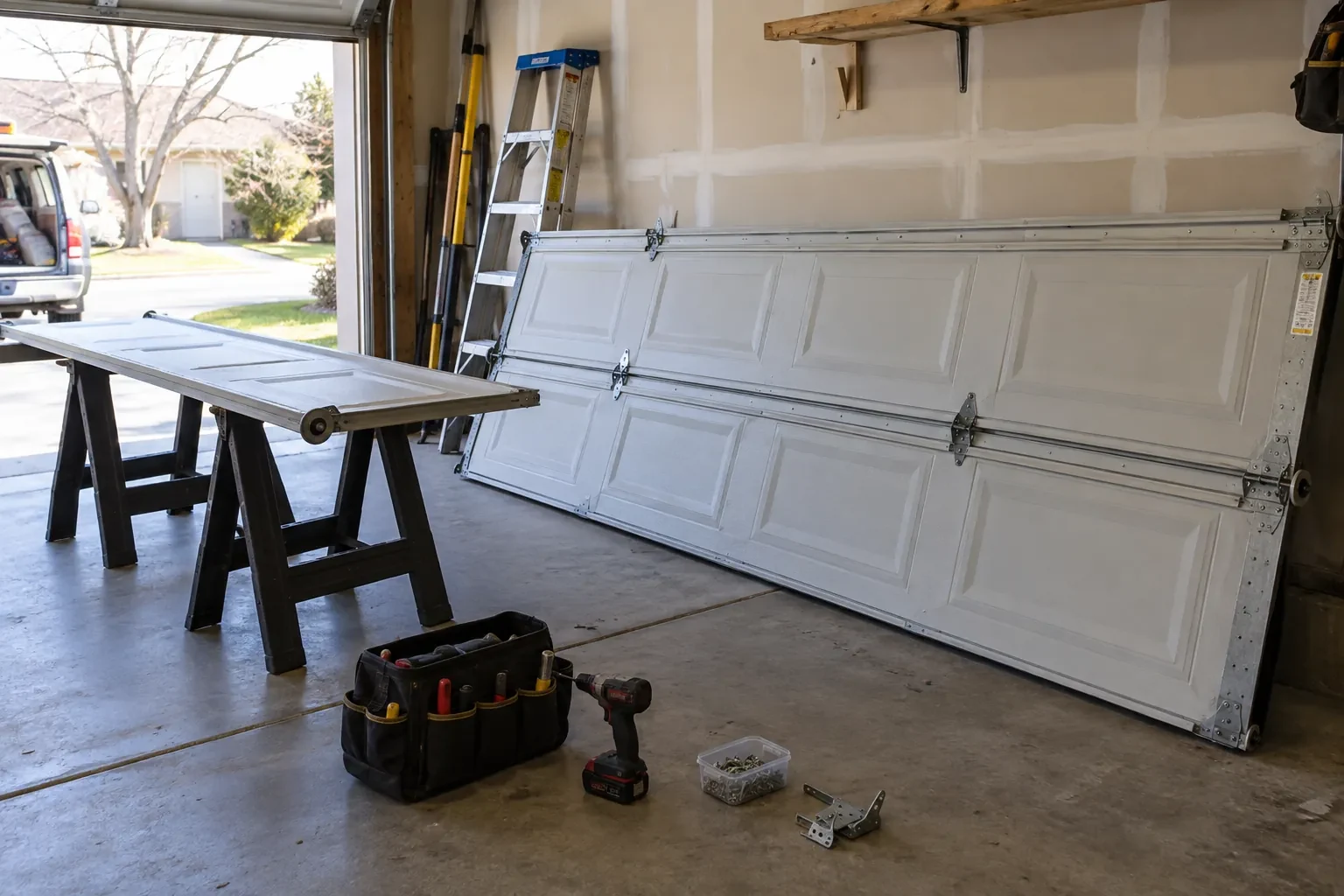
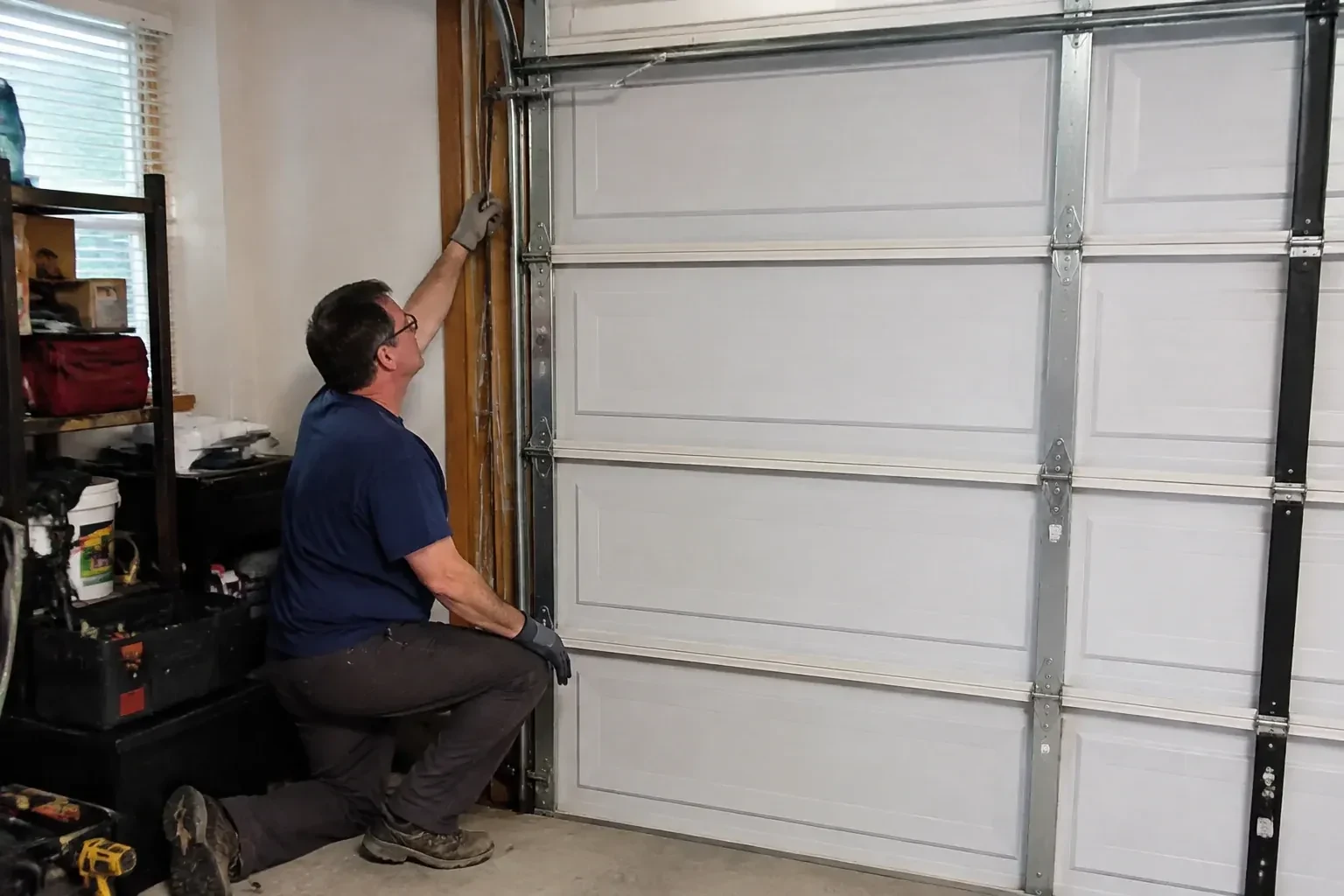
Our technicians in Royal Beach carry the winding bars, clamps, stands and gauges the work needs and use them every time, on every door. Spring sizes are measured, not guessed; cable lengths are matched to the drums; opener force is set with the door balanced. The result is a door that behaves.
Winter is hard on garage doors in Royal Beach. Cold stiffens the grease, tired springs give out in the first deep freeze, and road salt works into the bottom seal and the track. We built our service habits around that, bringing the parts that fail in cold weather and checking the balance, hardware and seals on every visit so the door is ready for the season ahead.
12years in business
24/7open every day
A technician who talks. You hear what we are checking and why, in real time. Ask anything; the explanation is part of the job.
Mess that leaves with us. Debris, packaging and the old spring go with us. Your floor and your car look the same after as before.
Your decision, informed. We put the choices on the table with their pros and cons. Whether to repair, upgrade or replace stays with you.
Ask about a new garage door for your Royal Beach home.
From a stuck door on a winter morning to a planned replacement before the house goes on the market, the services on this page cover what garage doors in Royal Beach typically need. Each one explains what is checked, how the work is done and what you can expect afterwards.
About 43% of homes in Georgina were built in 1980 or earlier, according to the 2021 Census.
Where housing ages are mixed, many older houses have already had a newer door and opener fitted, so the door's age and the house's age are not the same thing. The technician reads the door itself, its spring type, tracks and opener, before recommending anything.
Single-detached houses make up about 83% of homes in Georgina (2021 Census).
Mostly houses
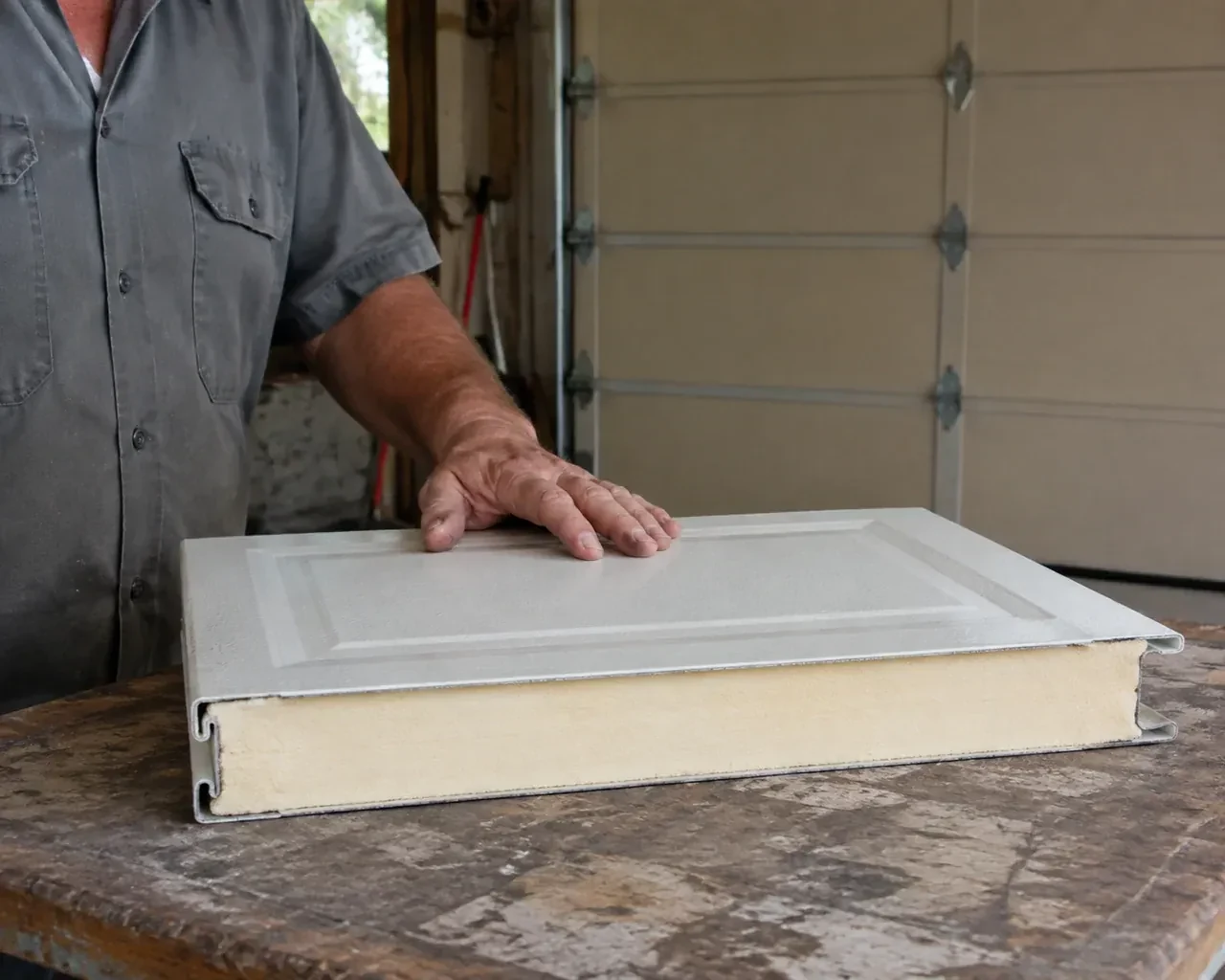
Detached houses often have a room over the garage, a bedroom or an office, which makes the garage door part of the heated envelope. An insulated door, snug weatherstrip and a fresh bottom seal keep that room comfortable and the furnace from working overtime in winter.
Balanced doors are lighter on everything: the opener, the hinges, the rollers and the arms of anyone who has to lift them in a power cut. The spring and cable work here is how that balance is set and kept.
The belt looks fine from a distance, but up close the rubber has cracked across the back in dozens of places and, in one spot, you can see the steel cords showing through.
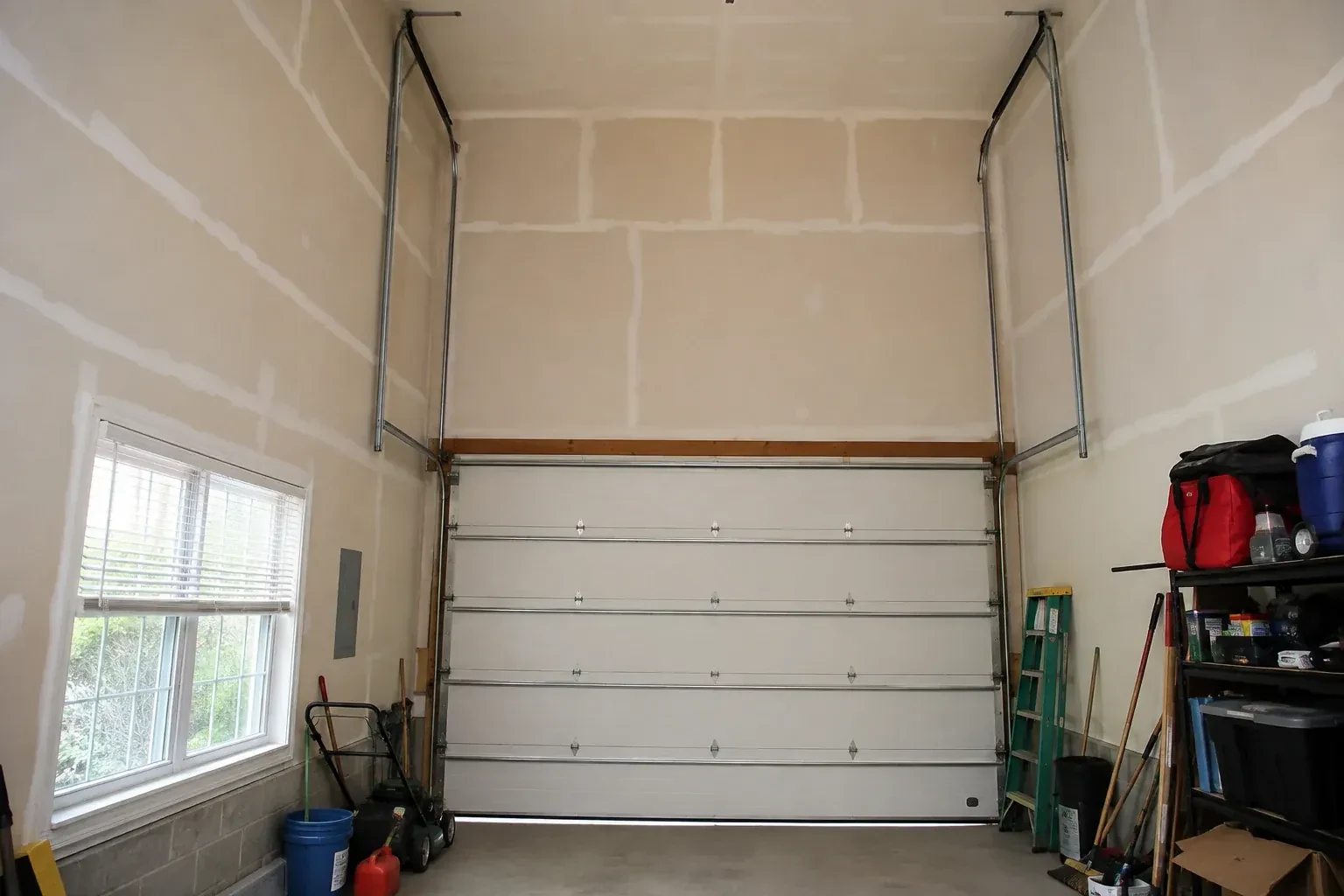
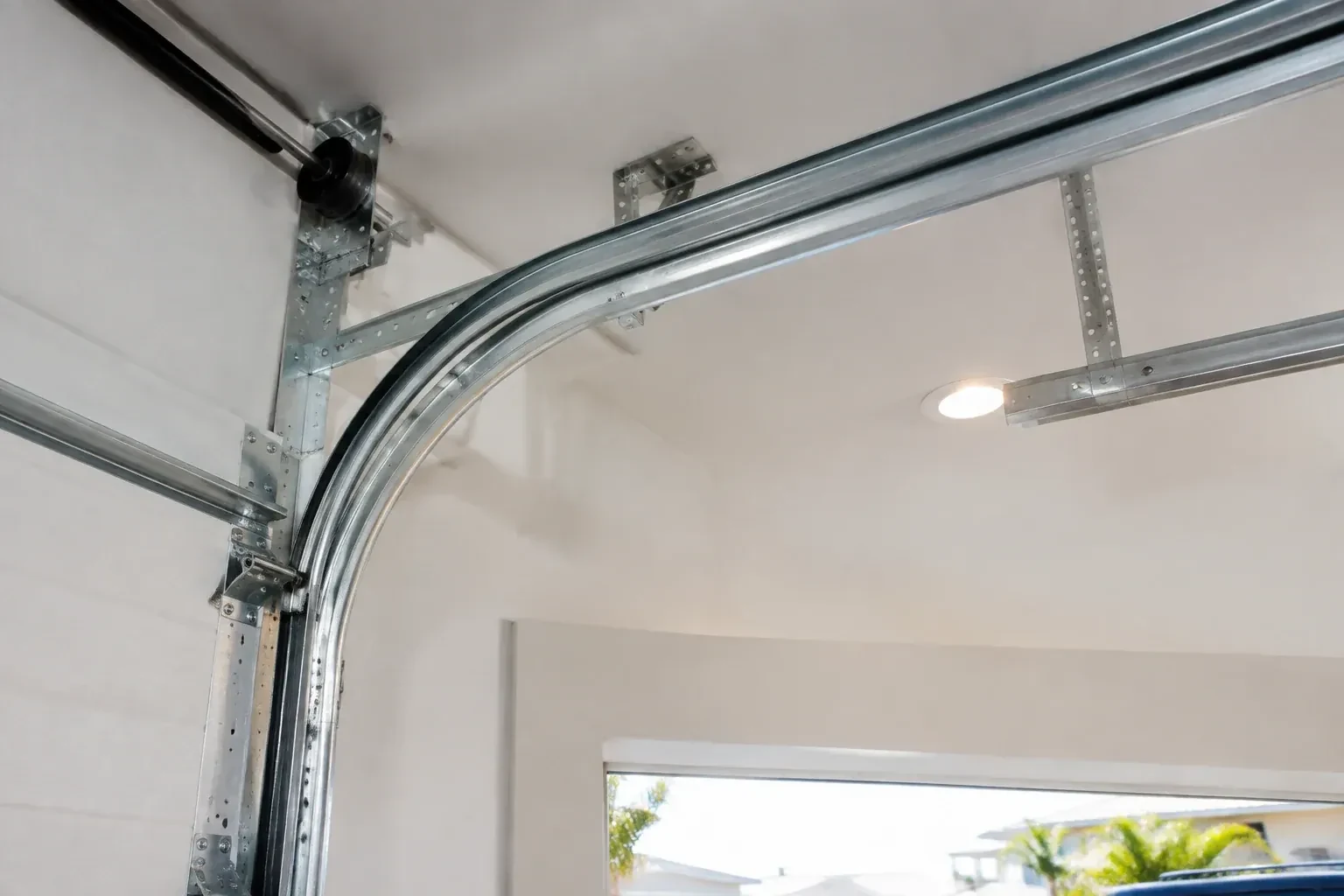
You want the ceiling back. A storage loft, a vehicle lift or kayak racks would fit if the long rail and motor box were not hanging in the middle of the garage, and the low ceiling of an older house leaves little room for the standard rail anyway.
On bright mornings the door will not close, then by lunchtime it behaves itself. The garage faces the low sun, and the light reaches straight across the floor to one of the little black sensors.
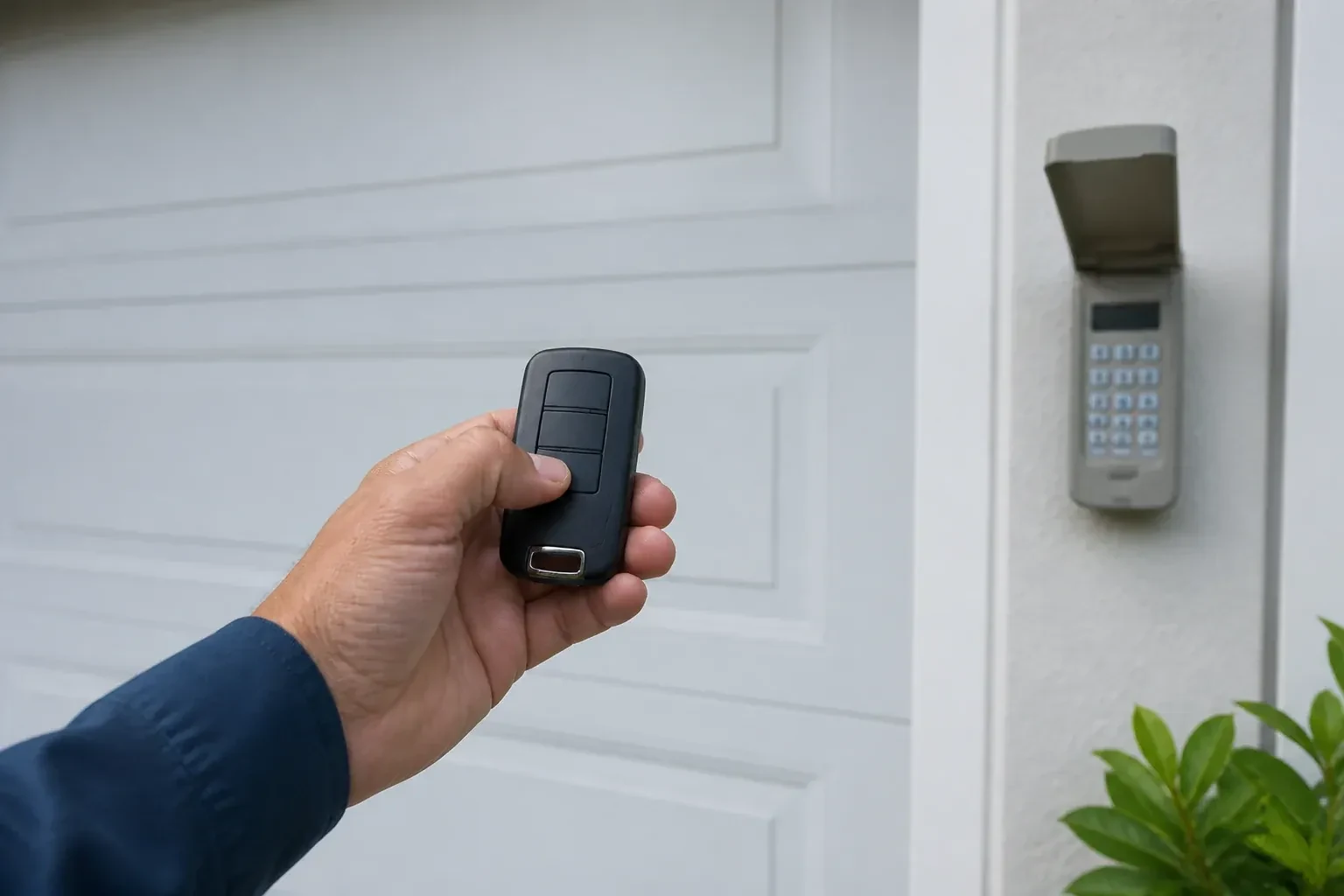
Someone in the family tried to add a remote, held the button on the ceiling unit a little too long, and now every remote in the house is dead at once. The wall control still moves the door.
The house came with a controller already screwed to the garage ceiling and a sensor on the door, but the app insists the device belongs to another account. The seller has moved provinces, the emails go unanswered, and every evening the door still reports to a stranger's phone.
It is the coldest morning of the year. A week of slush and road salt has crusted over the outside release lock, the key will not seat, and the opener inside is silent after the overnight outage.
Which fix fits?
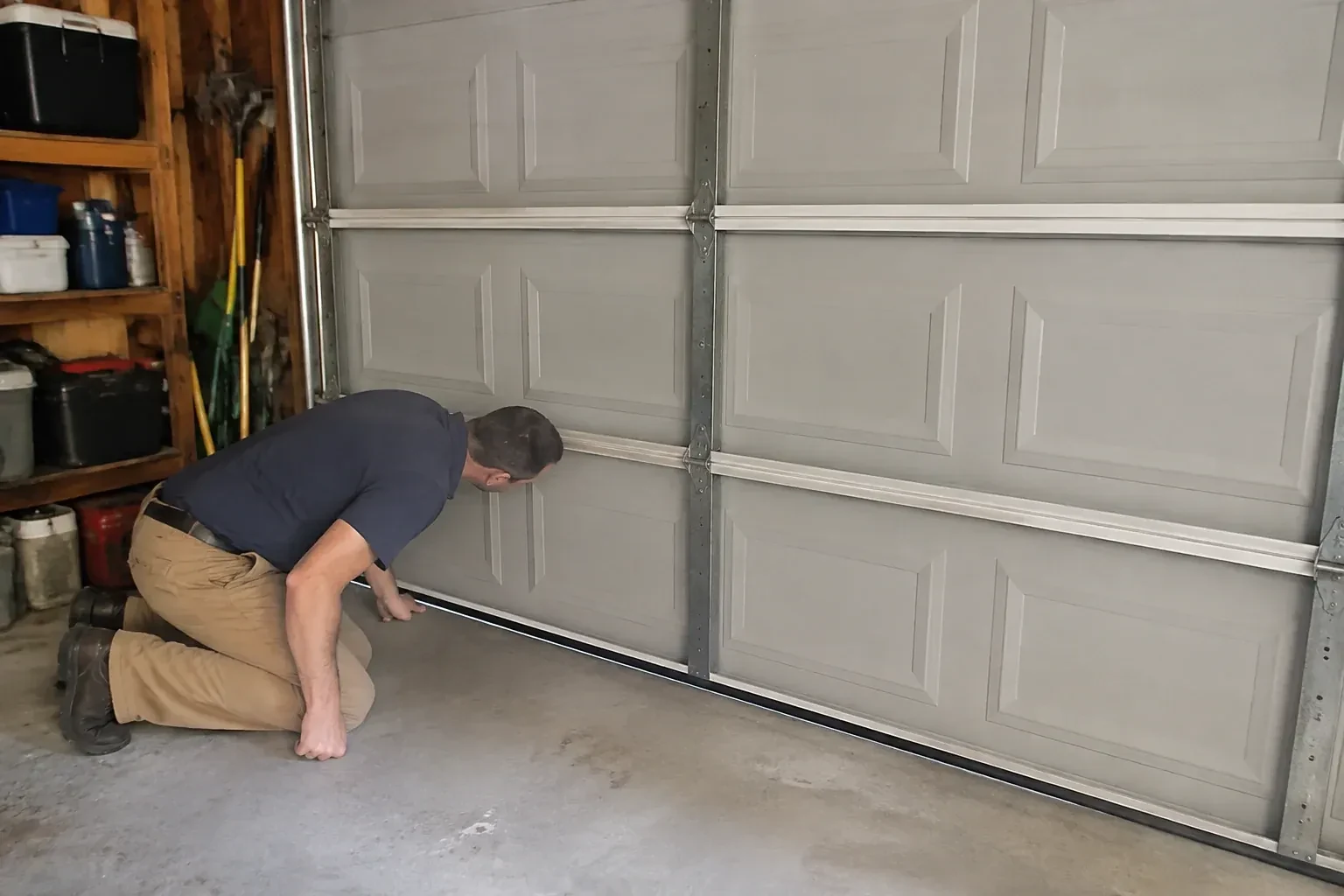
The strip under the door has gone as hard as a hose left out for ten summers.
WhyThe bottom seal, called an astragal in the trade, is the flexible strip along the underside of the lowest door section that squashes against the floor when the door closes.
Dry leaves keep appearing in the same corner inside the garage, and this fall there were mouse droppings along the wall beside the door.
WhyThe cylinder in a garage T-handle is a small pin-tumbler lock, much like a front door's.
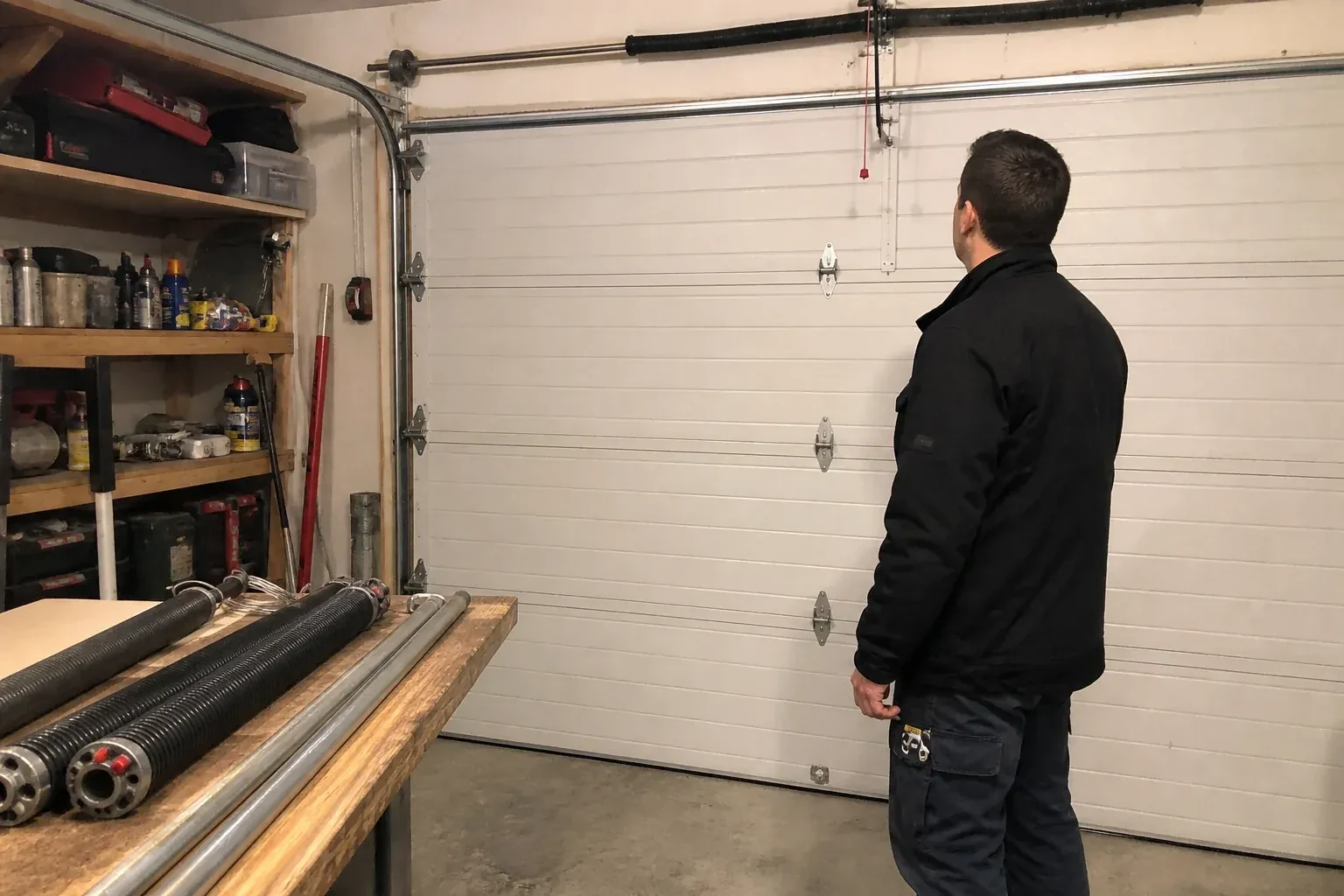
The home inspector's report on the house you are buying flags the garage door: extension springs with no safety cable running through them, coils showing rust, and a door that sank when he lifted it partway.
WhyExtension springs are common on the detached garages behind older houses, where a low ceiling left no room for a torsion shaft, and those garages are rarely heated.
Halfway up, every single time, the door hesitates and there is a ratcheting sound from the motor head, then it carries on.
WhyFor a garage with generous headroom, standard track can leave valuable space unused.
How a visit goes
Describe the property, the hardware and what has changed, and the visit starts from what you have seen.
01
Booking made simple
One call sets the visit. We ask for the door type, the opener if you know it, and whether the door is currently stuck open or shut.
02
A careful look
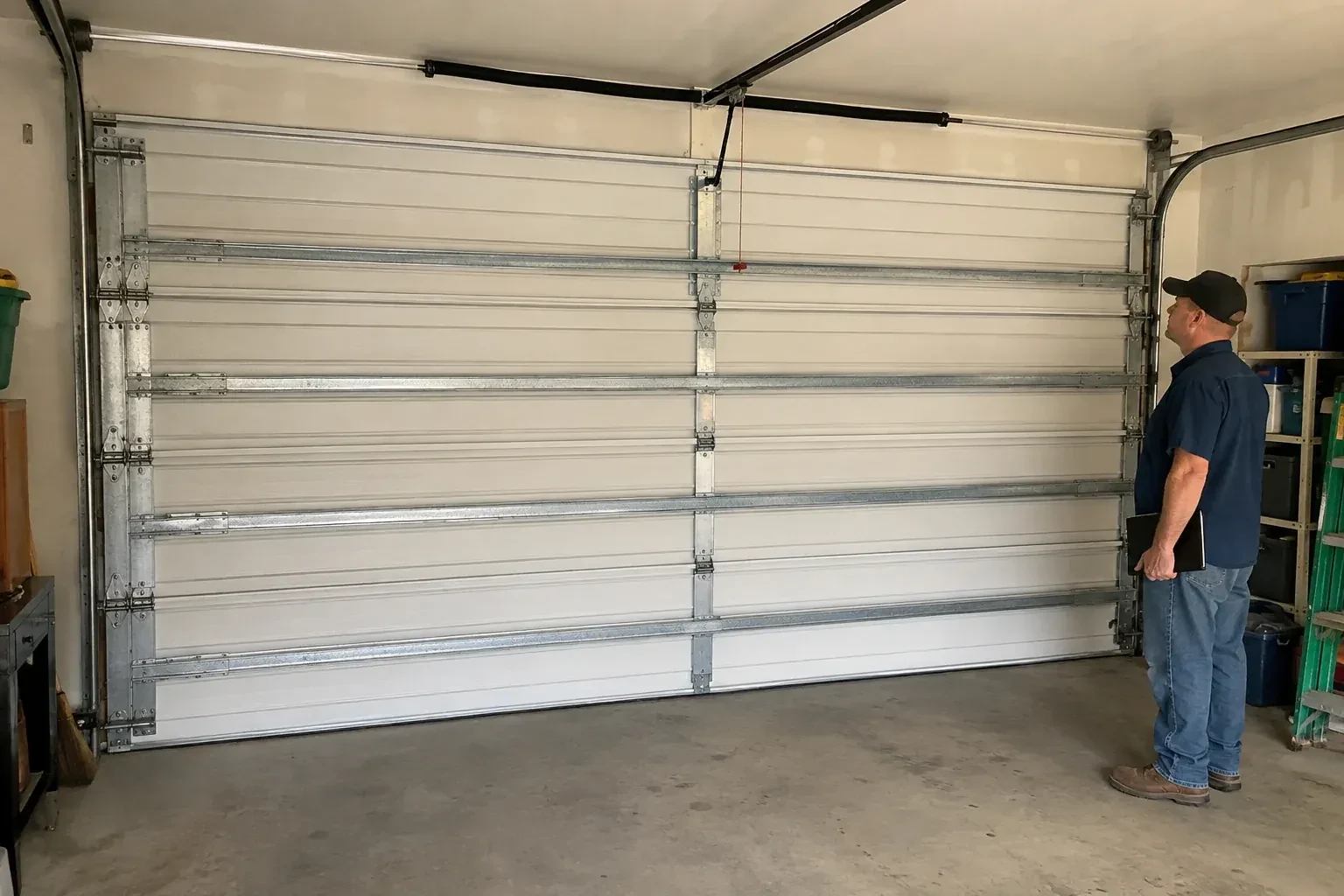
Every visit opens with a full check: balance, spring condition, cable wear, roller state, track alignment and sensor response.
03
Clear choices, careful work
We lay out the options in plain terms, do what you choose with the right tools, and run the door until we are satisfied it is right.
An entrance. Not an afterthought.
1/10Garage Door Bottom Seal Replacement
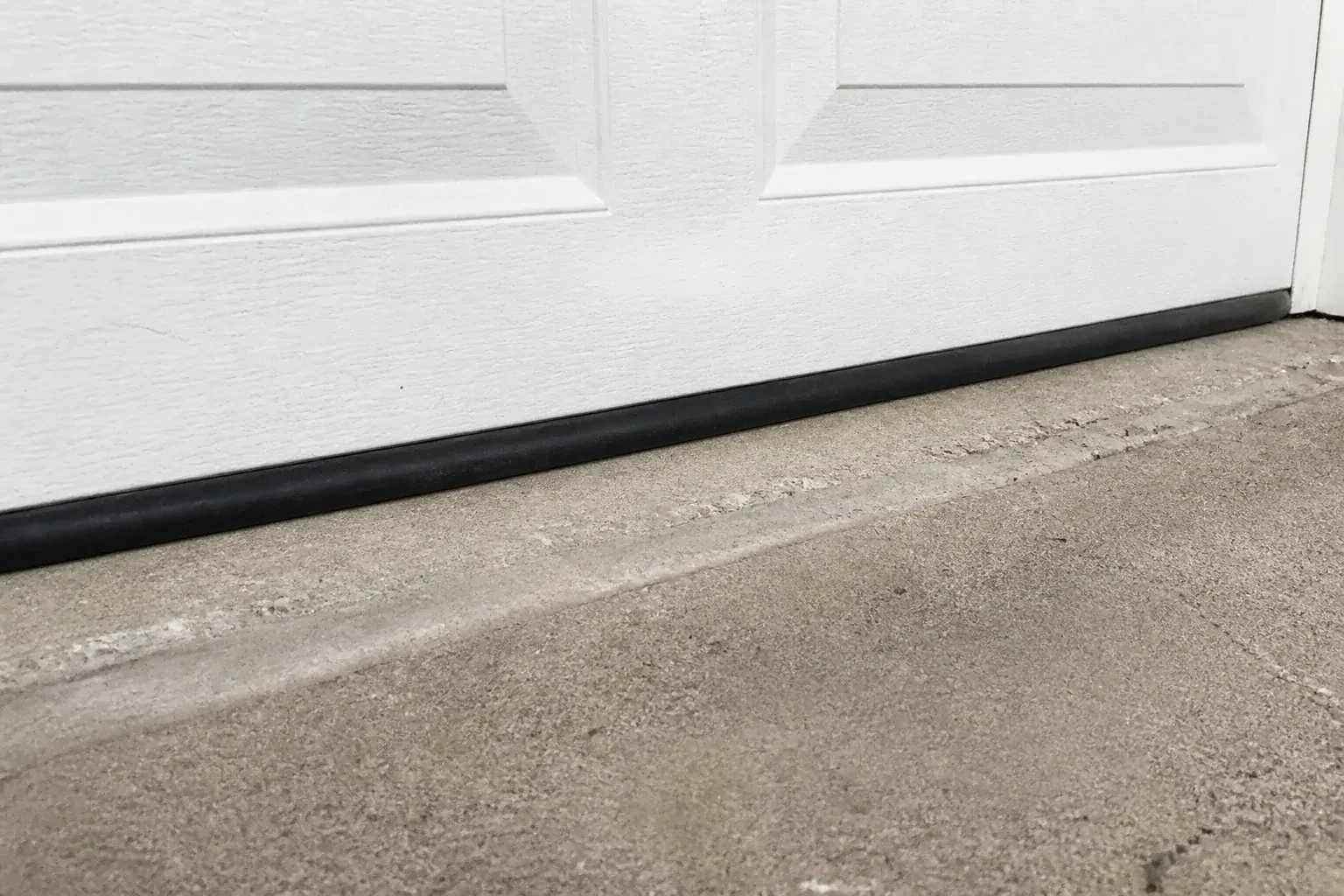
The strip under the door has gone as hard as a hose left out for ten summers. Press it and it does not give; bend it and it cracks. Where the door meets the floor it sits on the concrete without squashing at all.
Dry leaves keep appearing in the same corner inside the garage, and this fall there were mouse droppings along the wall beside the door. When you look, the corner where the top and side strips meet is wide open.
The T-shaped handle on the outside turns a full quarter, exactly as it has for twenty years, but nothing moves behind it. No clunk from the bars, no click at the tracks. The handle has stopped talking to the lock.
The home inspector's report on the house you are buying flags the garage door: extension springs with no safety cable running through them, coils showing rust, and a door that sank when he lifted it partway. The seller has never had it looked at.
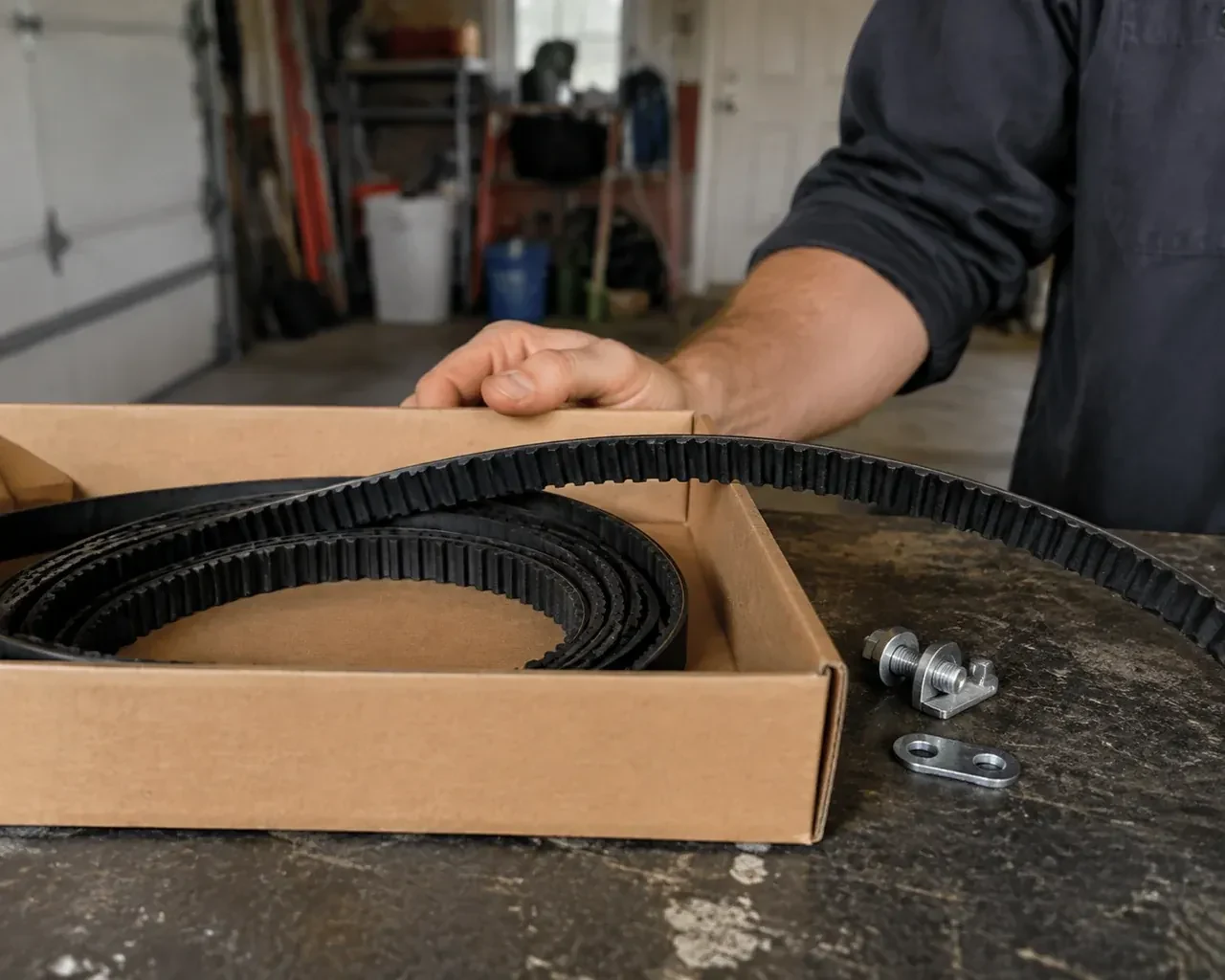
Halfway up, every single time, the door hesitates and there is a ratcheting sound from the motor head, then it carries on. A closer look shows a stretch of the belt where the teeth are worn almost flat.
Your remote was in the visor when the car was broken into last night. So was the insurance slip with your address on it. The door still answers that remote, wherever it is now, and you would very much like it not to.
Your garage is becoming a workshop, but the thin single-skin door rattles, sweats and lets outdoor temperatures shape the whole room. You want a stronger sectional assembly suited to the way the space is now used.
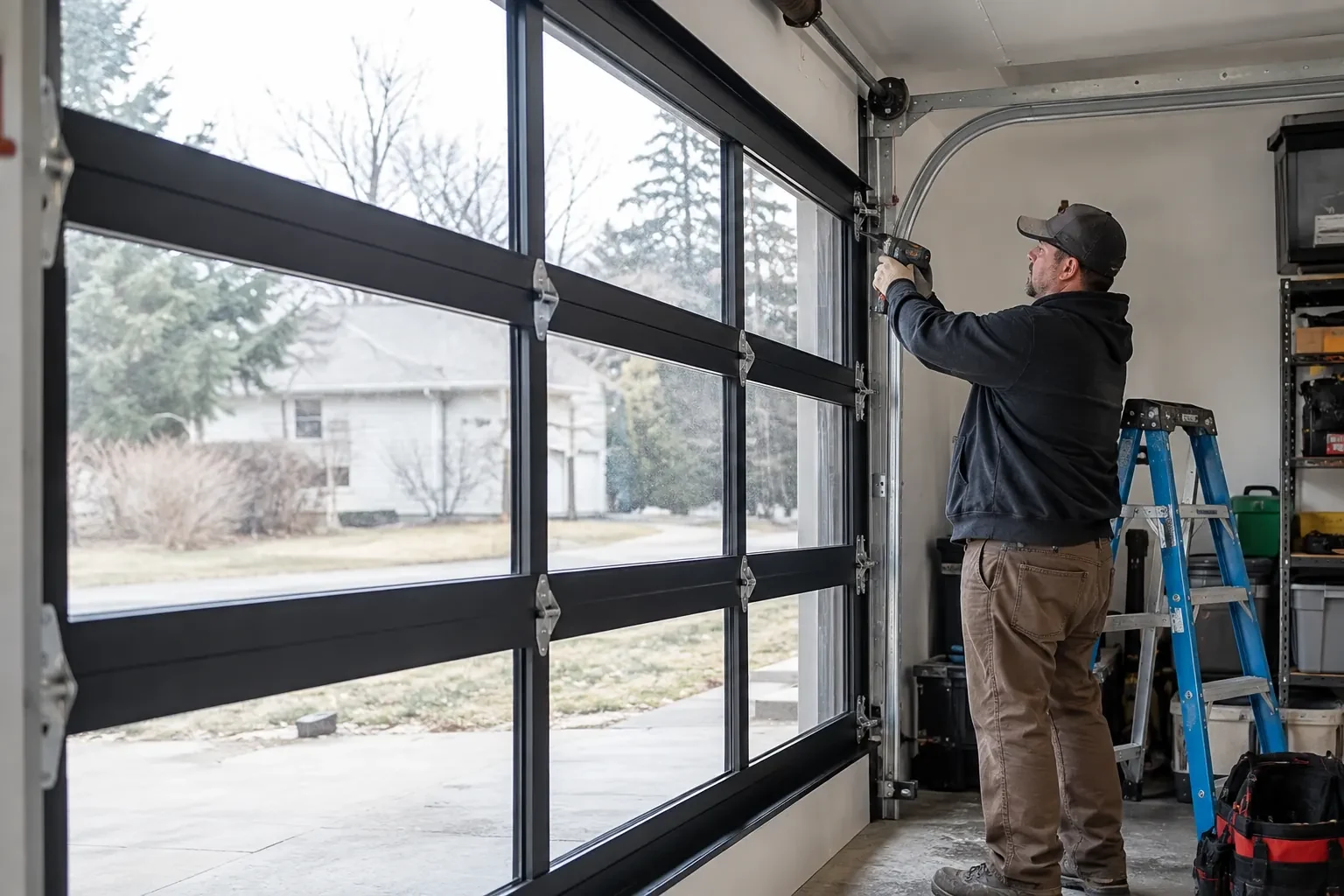
New windows would improve the door's appearance, but they also change the section layout and reinforcement pattern. You need a wind-rated configuration designed with the chosen glazing instead of treating the windows as a later addition.
A high-lift door begins smoothly, then a cable loses tension as the top sections change direction. The loose cable no longer follows its drum grooves evenly, leaving the door unreliable at the top of travel.
You want to keep the sectional door, but its standard track layout conflicts with a renovation above the parking bay. There is visible room over the opening for the door to climb before it needs to turn inward.
Why does the seal freeze to the floor, and what should I do when it does?
Snow melts off the car, runs to the low point at the door and refreezes overnight around the seal. When that happens, leave the remote alone, since the opener will tear the strip or pull the door out of level. Free the seal by hand with gentle warmth along the line or by working a plastic scraper under it, then run the door. A film of silicone on the seal each autumn largely prevents it.
Why should the seal only touch the door lightly?
The fin is meant to bend against the door with a small, even deflection. That is enough to seal, and it lets the fin spring clear as the door lifts. Pressed hard, it drags on the door face, folds under on the way down, squeals and wears through well before its time, and it adds load to the opener. Set too far off, it leaves a standing gap. The light touch is the setting that lasts.
How do I lock the garage door during a power outage?
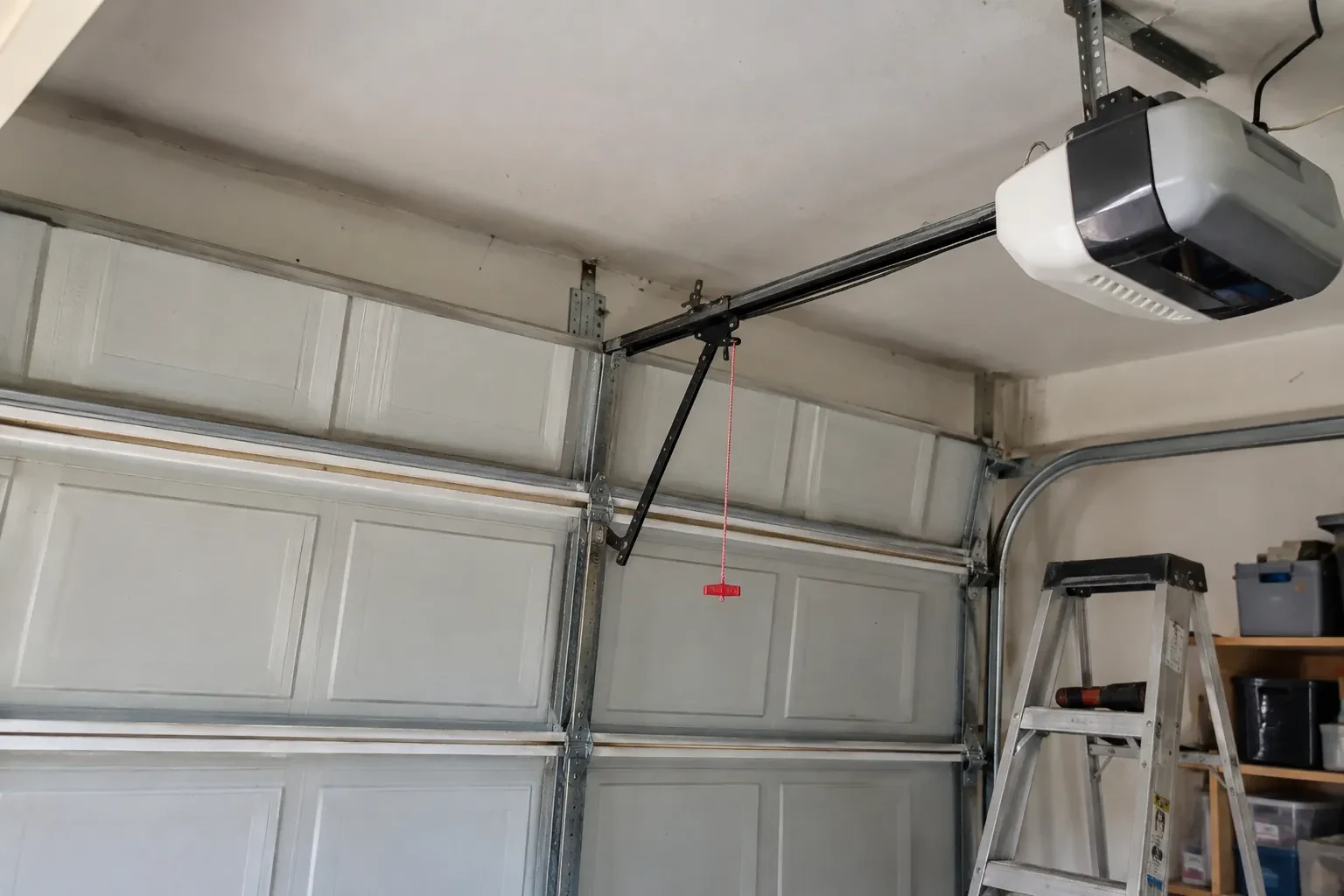
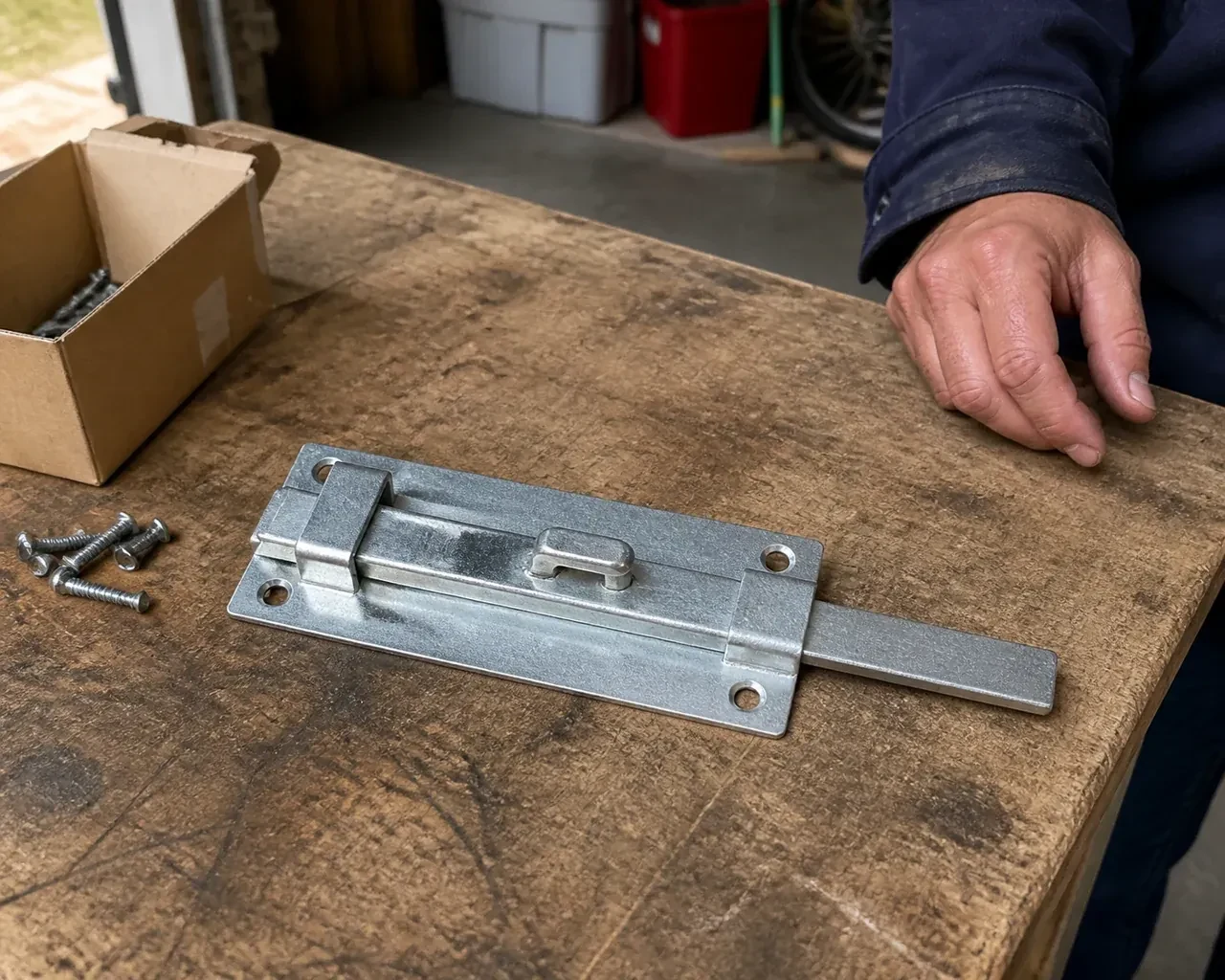
With the door closed, pull the opener's release cord so the trolley lets go of the door, then throw the slide bolt or turn the T-handle to lock. When power returns, unlock first, check both bars are clear of the track, and then re-engage the opener as its manual describes, usually by running it once. Keeping to that order is what protects the lock and the opener.
Could I switch to torsion springs instead of replacing the extension ones?
Sometimes, and it is worth asking. A torsion system needs room above the door opening for its shaft and a header that can carry the spring bracket, which many older garages with a low ceiling simply lack; extension springs are there for that reason. Where the headroom exists, a conversion is a separate job with its own hardware and quote. The technician can tell you on the spot which route suits your garage.
Can the belt just be tightened, or does it need replacing?
Tightening is the first thing tried. Tension is set at the inner trolley by a square nut that compresses a spring to the length the maker specifies. If the belt reaches that setting and runs without sprocket noise, it stays. If the adjuster is wound to its end and the belt still sags, or the rubber is cracked, glazed or missing teeth, a new belt is the right repair.
How long do I have after pressing the learn button?
Roughly half a minute on most openers. Press and release the button, then press the remote button you want to use until the opener light blinks or the unit clicks. If the window closes before you finish, simply press the learn button again and repeat. The window is short on purpose, so a passing signal cannot slip into the memory.
How should I prepare the garage for installation?
Move vehicles out and clear floor space across the full width of the opening plus a useful working area inside. Remove hanging items, bicycles and storage that intrude into the track or ceiling zone. Provide access to electrical controls and keep pets away from the work area. The installer can identify any unusually large staging space needed for wide sections beforehand.
Can a wind-rated door include windows?
Yes, when glazing is part of the selected configuration. Window size, position, retainers, and the surrounding section construction may affect the reinforcement layout, so the desired design is chosen before ordering. Factory-prepared glazed sections keep appearance, strength, sealing, and documentation aligned rather than turning windows into an alteration after installation.
Can one damaged section be replaced on its own?
Often it can, provided a compatible section is available and the surrounding panels, end stiles and hardware remain serviceable. Matching involves more than width and height: thickness, profile, insulation, joint shape, reinforcement and hinge pattern all matter. The technician also checks whether the impact shifted track or mounting points before deciding that a single-section repair is the right scope.
When is high-lift conversion a practical choice?
It is practical when an existing sectional opening has meaningful wall height above it, enough ceiling depth for the horizontal run, suitable support conditions and a clear reason for gaining overhead room. The door, counterbalance and operator must be designed together. A measured feasibility plan confirms the usable clearance before installation becomes the next step.
Request a visit
Our technicians in Royal Beach carry the winding bars, clamps, stands and gauges the work needs and use them every time, on every door. Spring sizes are measured, not guessed; cable lengths are matched to the drums; opener force is set with the door balanced. The result is a door that behaves.