Garage Doors in Pefferlaw, OntarioKeep the weatheron the outside.
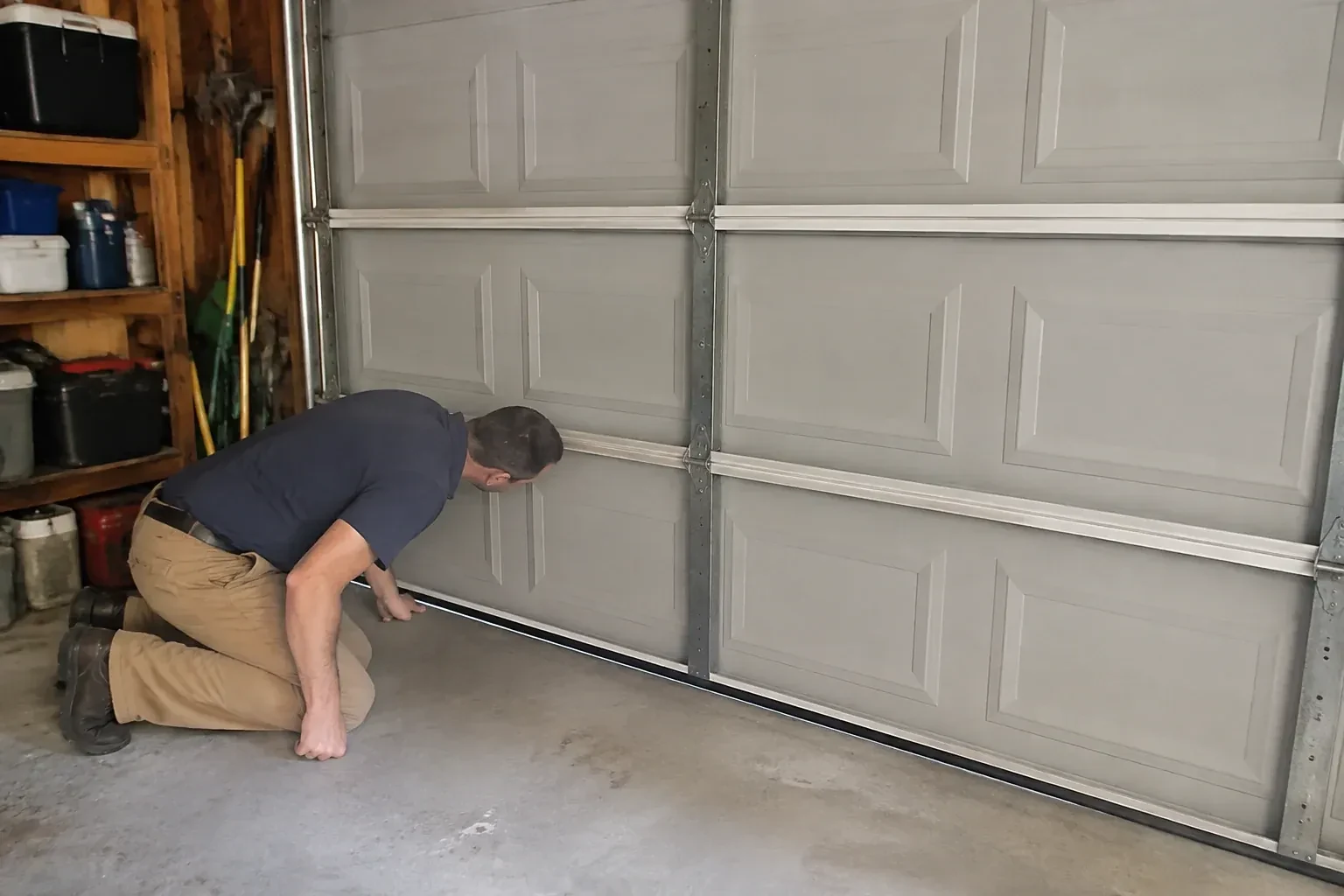
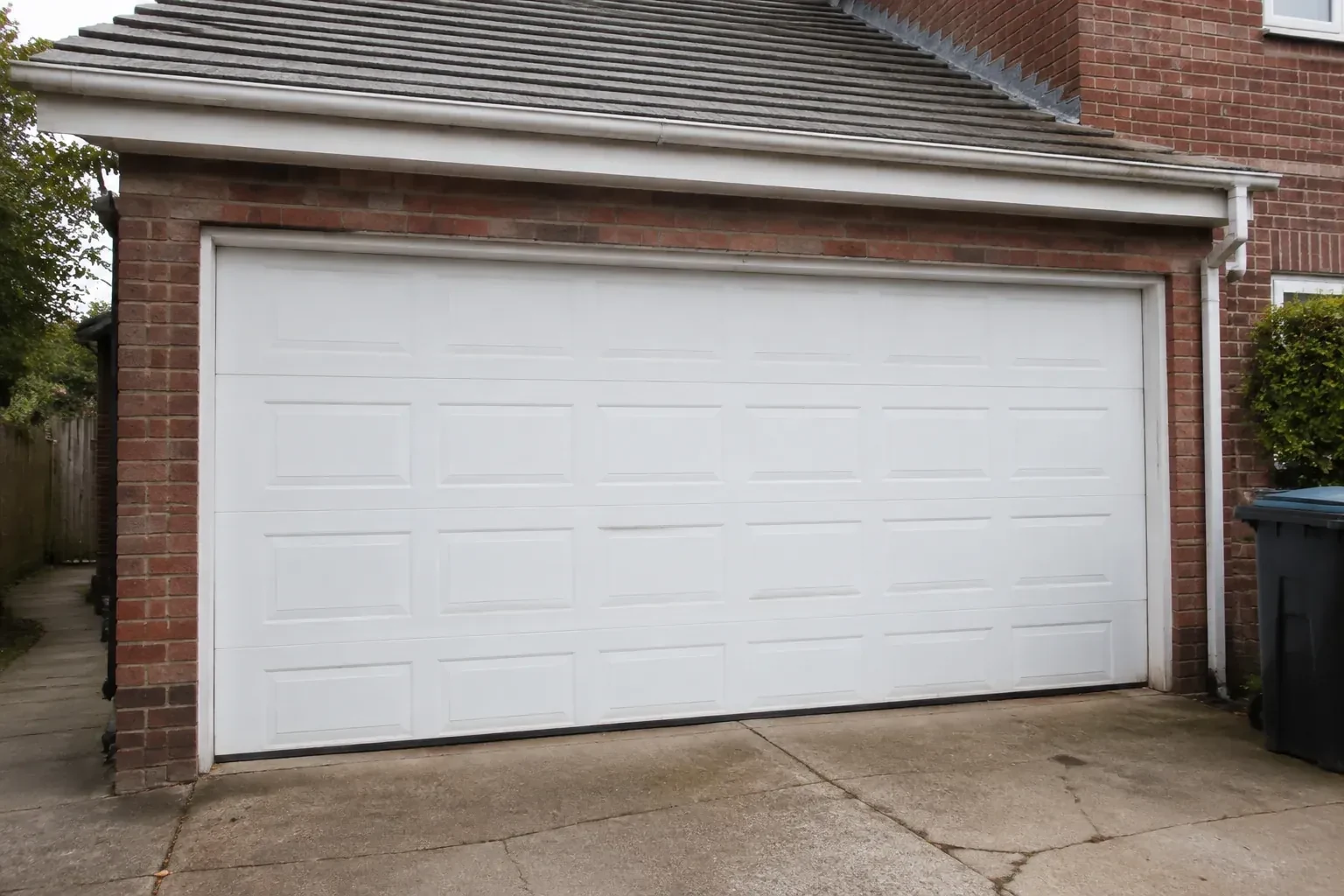
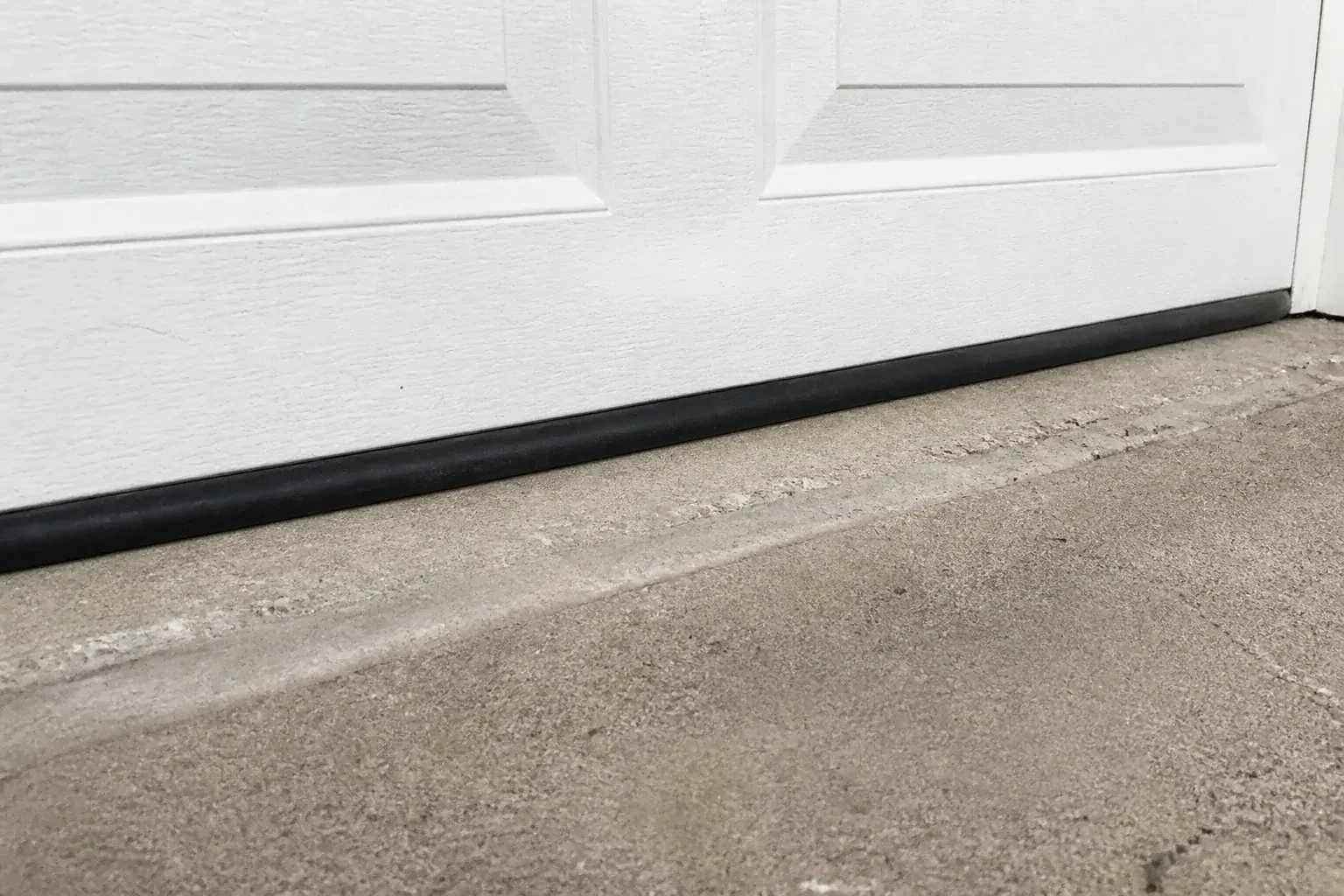
A cracked bottom seal lets snow, leaves and cold air into the garage and lets warmth out of the room above. For homes in Pefferlaw we fit new bottom seals and perimeter weatherstrip sized to the door, so the garage stays drier and the furnace works less hard through the winter.
A cracked bottom seal lets snow, leaves and cold air into the garage and lets warmth out of the room above. For homes in Pefferlaw we fit new bottom seals and perimeter weatherstrip sized to the door, so the garage stays drier and the furnace works less hard through the winter.
Keeping the weather on the outside.
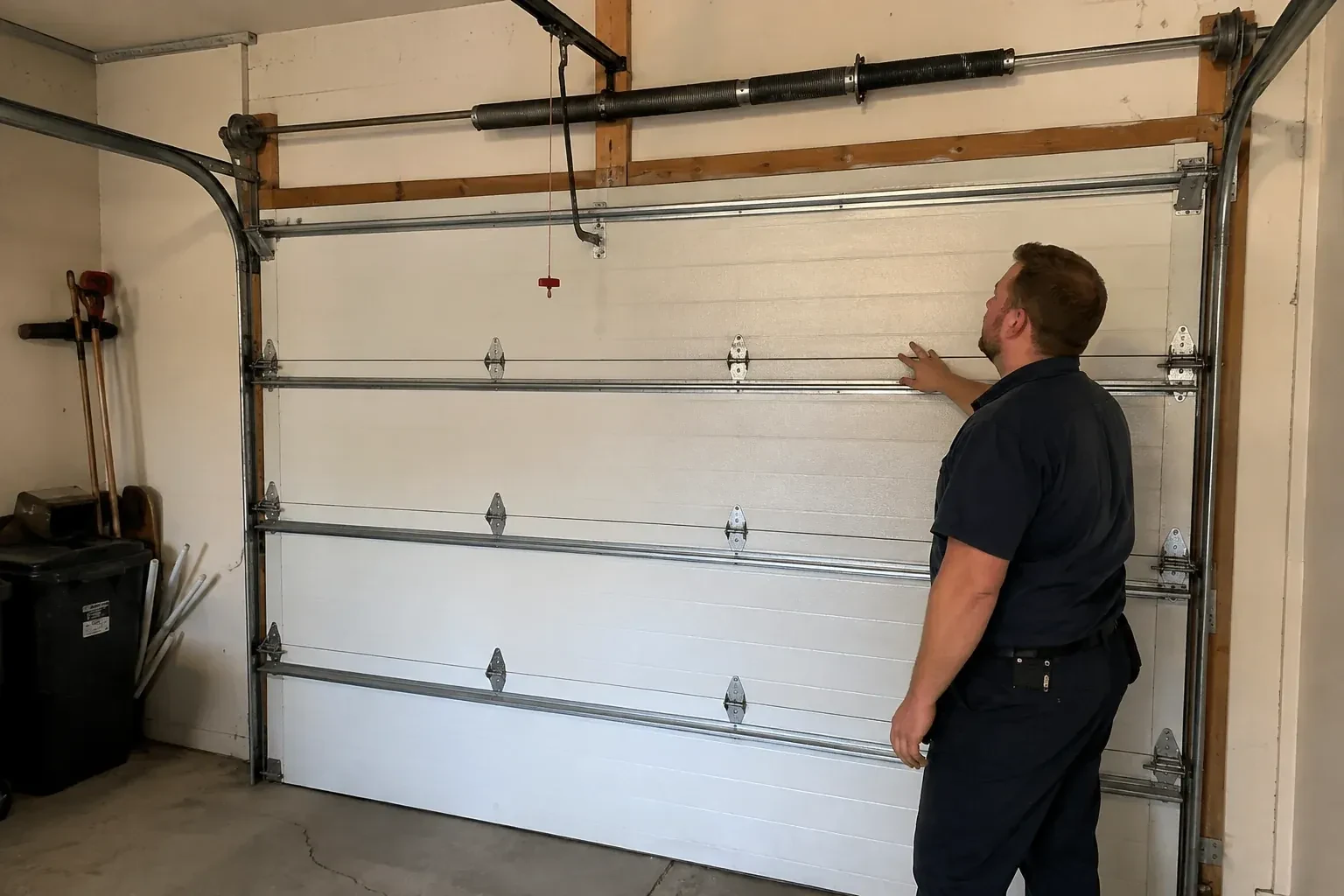
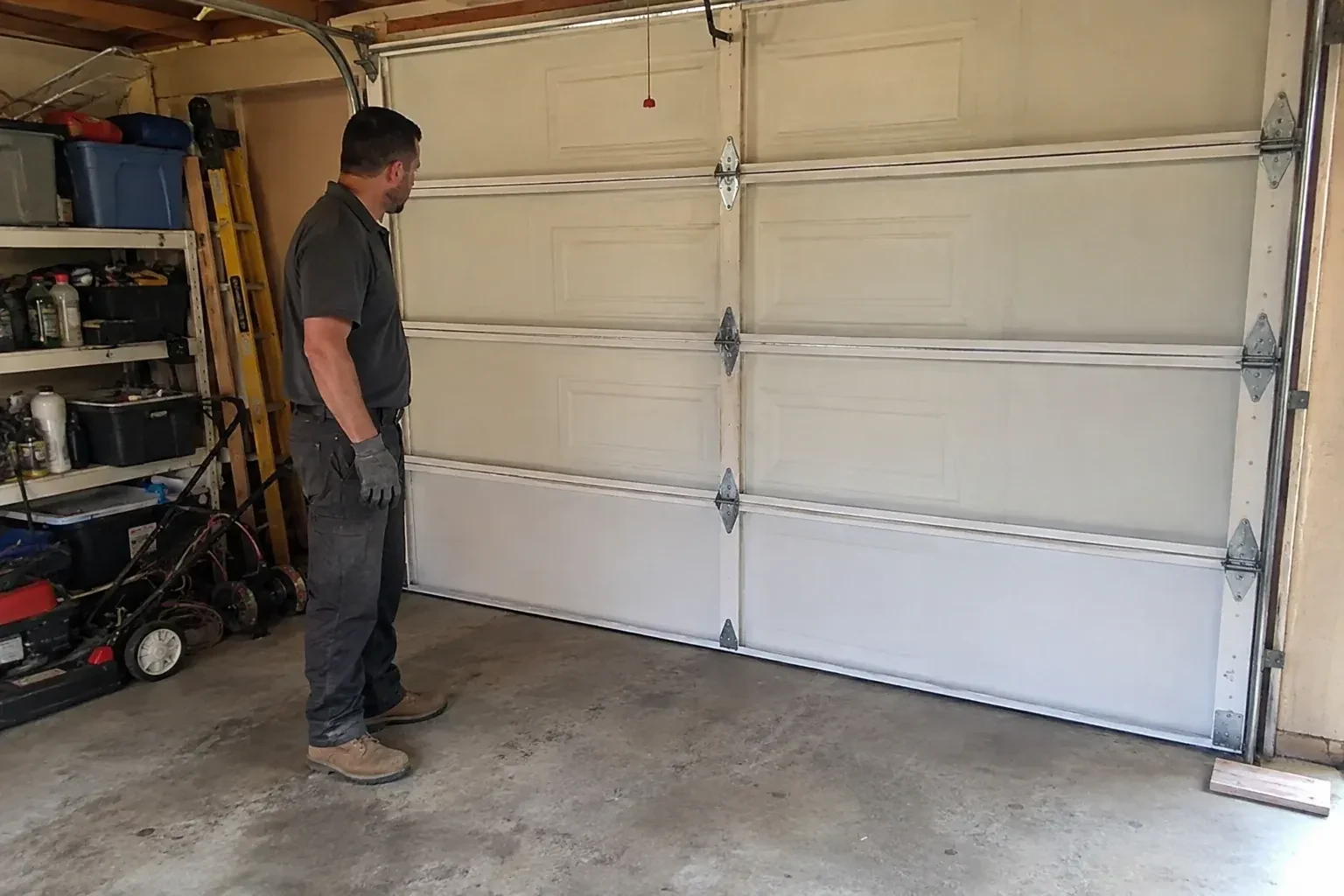
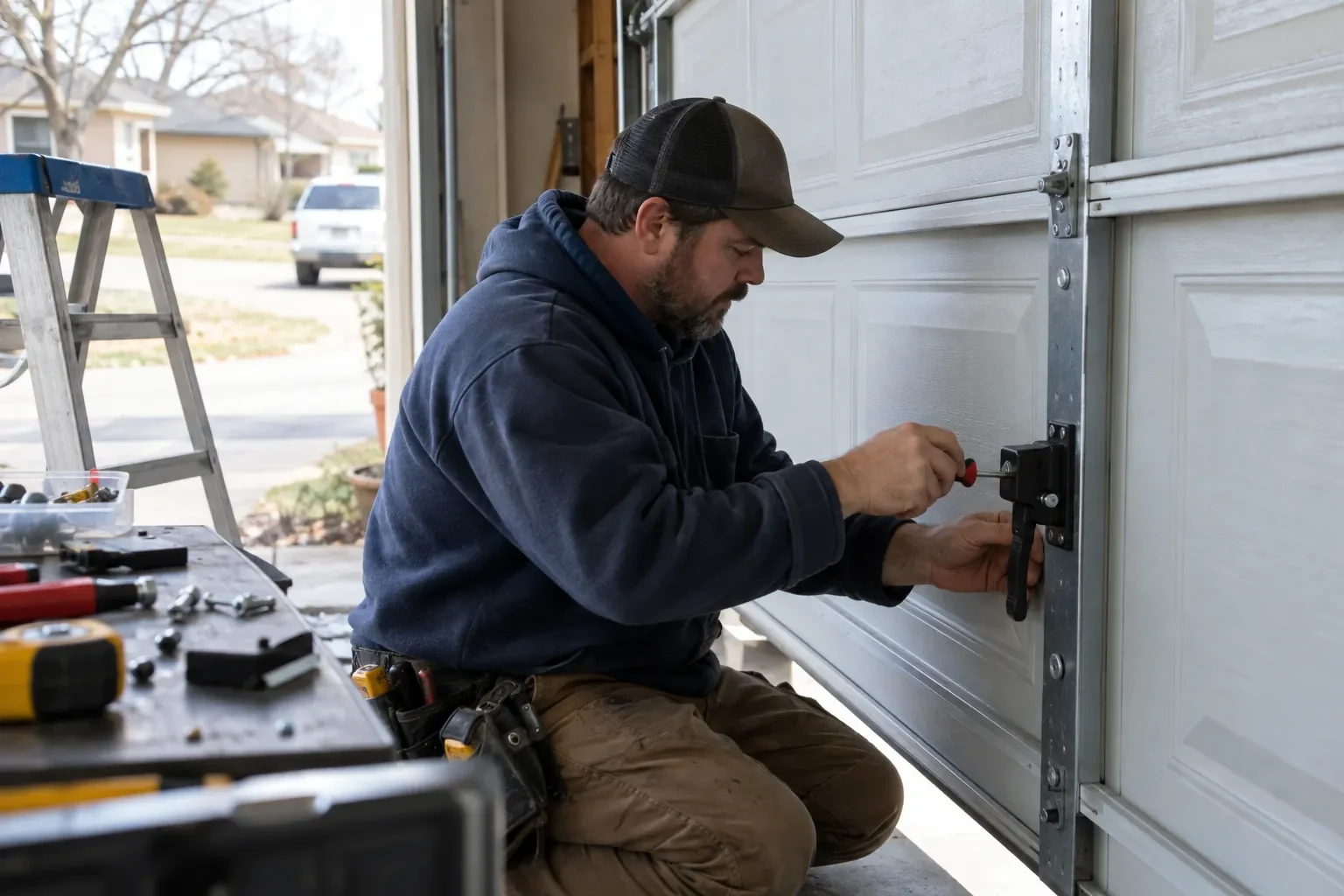
The visit in Pefferlaw starts with the door secured and a walk around every part of it. The technician then shows you the worn part, the sound one beside it and the choice between them. Nothing is replaced for the sake of it, and nothing that is close to failing is quietly left out.
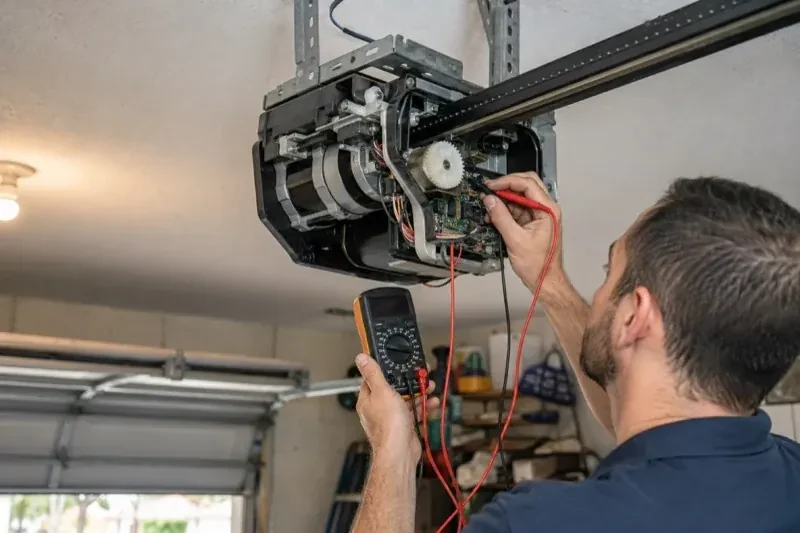
We keep Pefferlaw on our regular route, which means a technician who knows the neighbourhood and a van that is stocked for the repairs we see there most often. Broken springs, loose cables, worn rollers, opener faults and failed sensors are all handled with care and explained in plain words. New doors and openers are installed with the same attention to detail.
12years in business
24/7open every day
A technician who talks. You hear what we are checking and why, in real time. Ask anything; the explanation is part of the job.
Mess that leaves with us. Debris, packaging and the old spring go with us. Your floor and your car look the same after as before.
Your decision, informed. We put the choices on the table with their pros and cons. Whether to repair, upgrade or replace stays with you.
The services below are the ones we perform most often for garage doors in Pefferlaw. Springs and cables top the list, followed by opener repairs, roller and hinge replacement, seal and weatherstrip work, balance and safety adjustments, remote programming and, when the time comes, new doors.
About 43% of homes in Georgina were built in 1980 or earlier, according to the 2021 Census.
Where homes of different ages sit together, the common thread is that every door eventually needs springs, rollers, seals and a balance check. What differs is the spring type and the size, so the technician measures and matches rather than fitting a standard part.
Single-detached houses make up about 83% of homes in Georgina (2021 Census).
Mostly houses
Detached homes usually have their own driveway and apron, and years of freeze and thaw can leave the concrete uneven where the door meets it. A thicker bottom seal or a threshold strip closes the gap, keeping snow, leaves and cold air out of the garage.
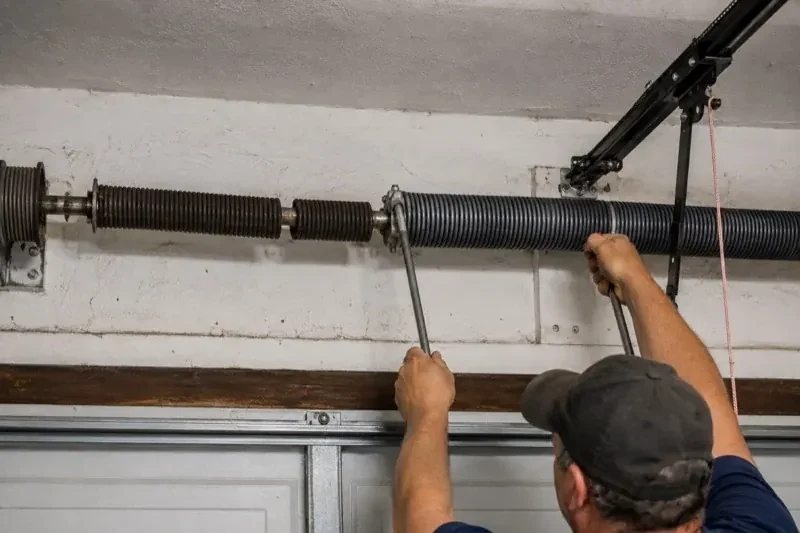
Balanced doors are lighter on everything: the opener, the hinges, the rollers and the arms of anyone who has to lift them in a power cut. The spring and cable work here is how that balance is set and kept.
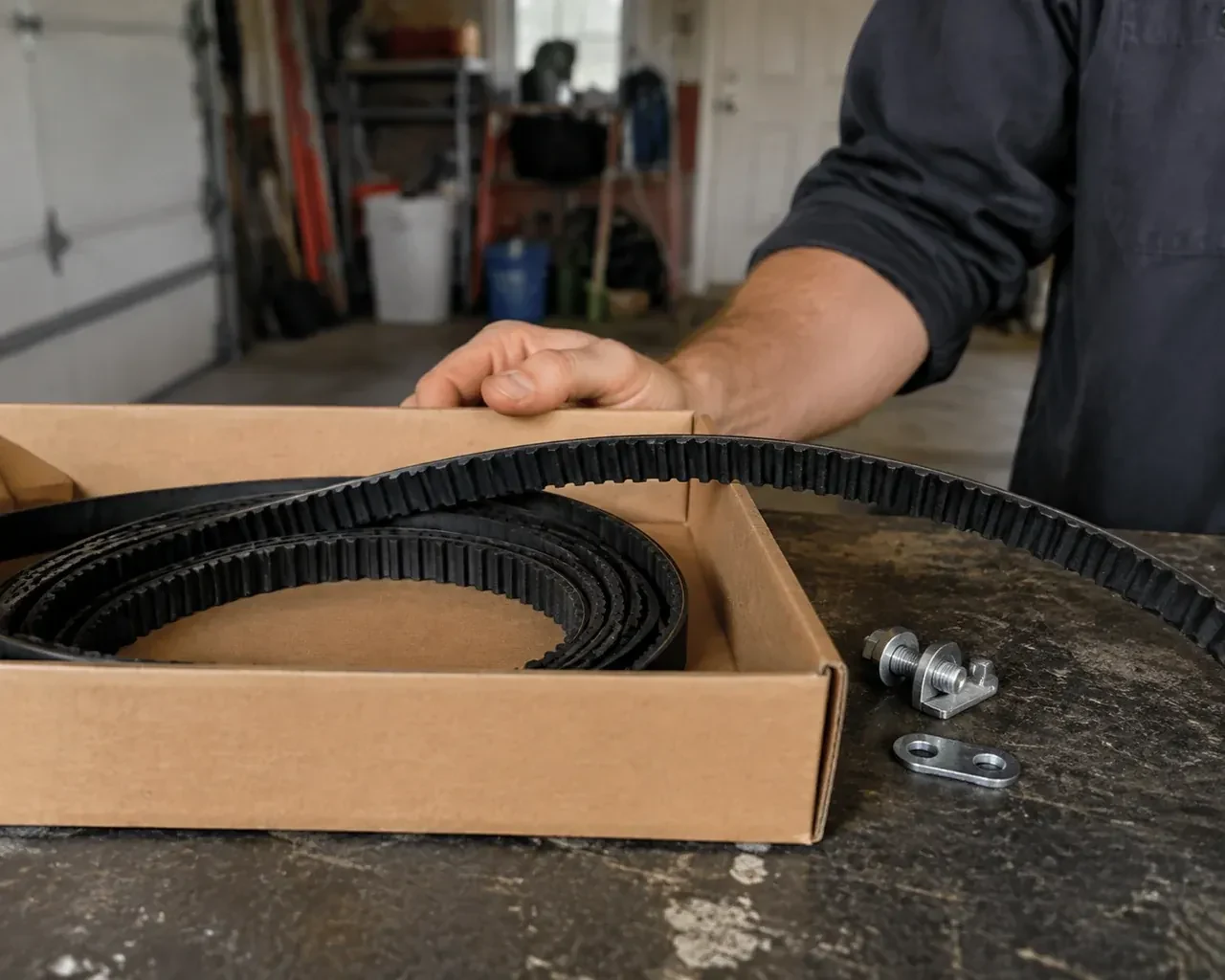
The belt looks fine from a distance, but up close the rubber has cracked across the back in dozens of places and, in one spot, you can see the steel cords showing through.
You want the ceiling back. A storage loft, a vehicle lift or kayak racks would fit if the long rail and motor box were not hanging in the middle of the garage, and the low ceiling of an older house leaves little room for the standard rail anyway.
On bright mornings the door will not close, then by lunchtime it behaves itself. The garage faces the low sun, and the light reaches straight across the floor to one of the little black sensors.
Someone in the family tried to add a remote, held the button on the ceiling unit a little too long, and now every remote in the house is dead at once. The wall control still moves the door.
The house came with a controller already screwed to the garage ceiling and a sensor on the door, but the app insists the device belongs to another account. The seller has moved provinces, the emails go unanswered, and every evening the door still reports to a stranger's phone.
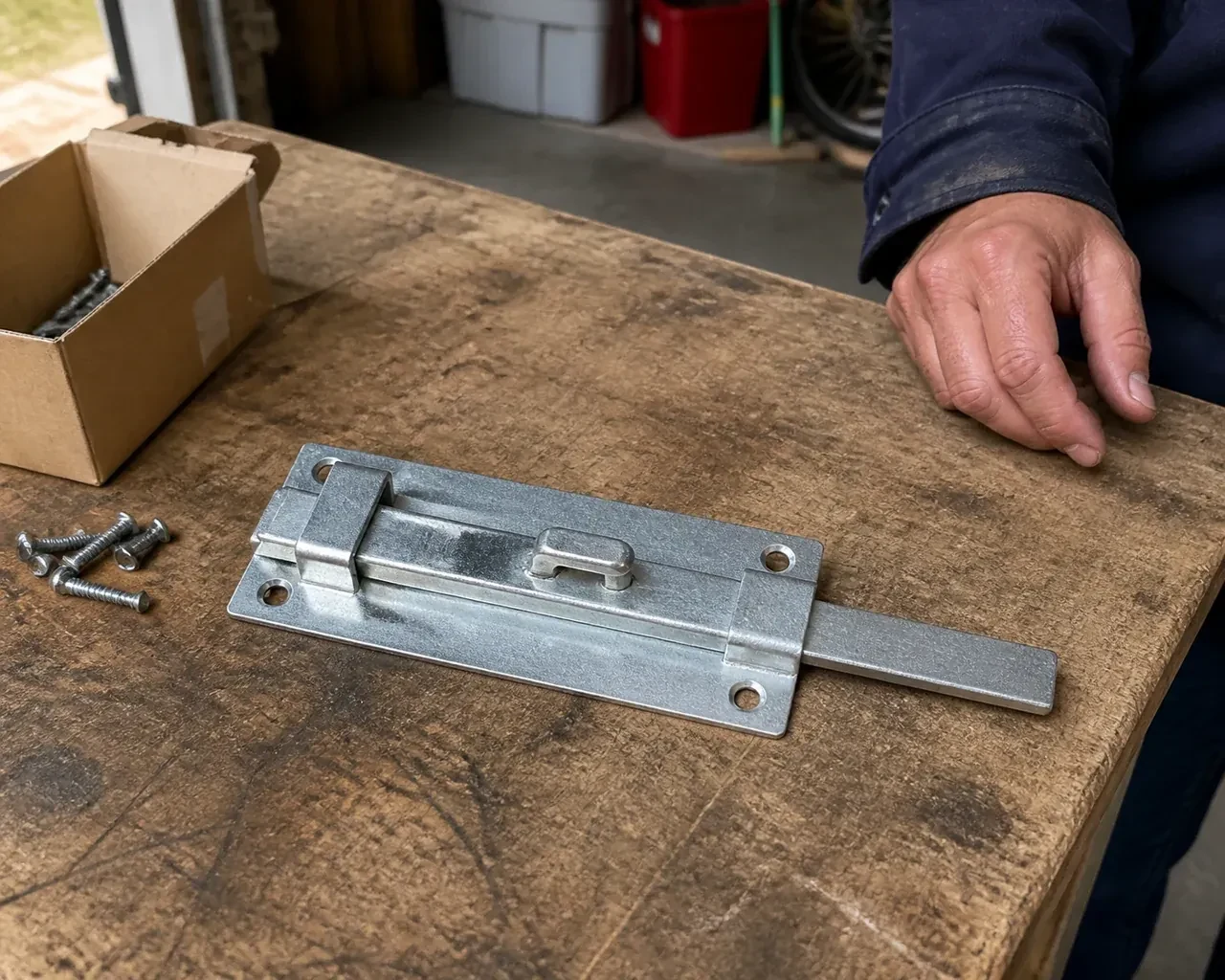
It is the coldest morning of the year. A week of slush and road salt has crusted over the outside release lock, the key will not seat, and the opener inside is silent after the overnight outage.
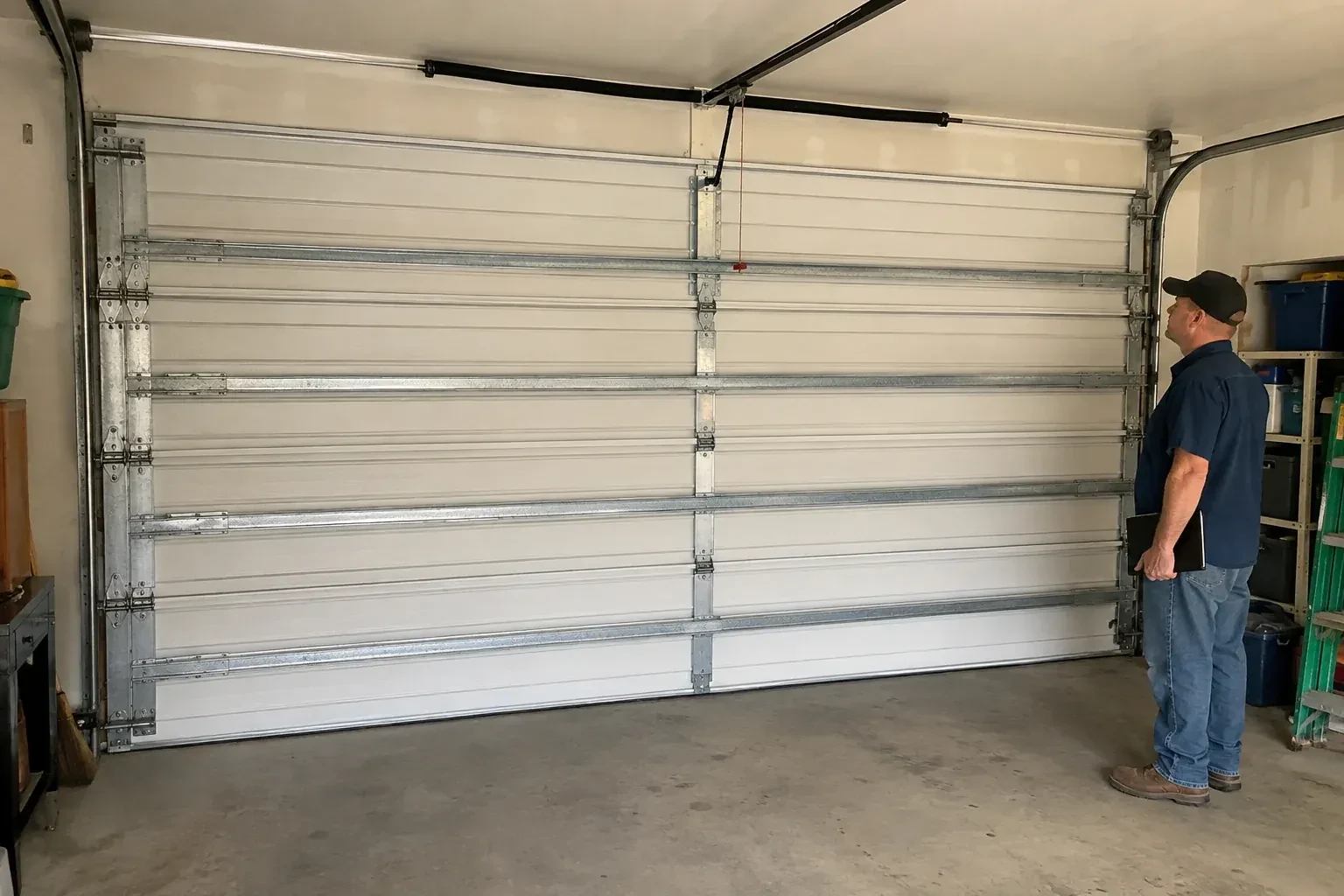
WhyA garage door is balanced when its springs carry almost the whole weight of the door, so the door itself is nearly weightless in your hands and the opener only has to guide it.
The door opens about a third of the way and stops.
WhyThe useful decision is not simply repair versus replacement; it is which path fits the identified curtain, structure, duty and operating system.
How a visit goes
Describe the property, the hardware and what has changed, and the visit starts from what you have seen.
01
Booking made simple
One call sets the visit. We ask for the door type, the opener if you know it, and whether the door is currently stuck open or shut.
02
A careful look
Every visit opens with a full check: balance, spring condition, cable wear, roller state, track alignment and sensor response.
03
Clear choices, careful work
We lay out the options in plain terms, do what you choose with the right tools, and run the door until we are satisfied it is right.
An entrance. Not an afterthought.
1/10Garage Door Tune-Up
Halfway up, the door shudders. The sections seem to catch for a moment, the whole assembly shakes, then it carries on as if nothing happened. You have started holding your breath at that spot each time.
The vinyl strip around the door used to be soft and white. Now it is grey and hard, cracked every few inches, and a piece near the corner snaps off in your fingers. It no longer bends toward the door at all.
The door drops the last stretch to the floor rather than settling, and when you stop it halfway by hand it slides down instead of staying put. Balance has drifted, and the spring is no longer holding its share of the weight.
Since the new insulated panels went in, the door feels like a different animal. It closes with a thud, the opener labours where it used to hum, and lifting it by hand takes a proper heave rather than a fingertip.
The door opens about a third of the way and stops. Turning the limit screw on the head has made no difference, and the trolley seems to sit in the wrong place along the rail when the door is fully closed.
The door used to glide up with a soft hum. Now there is a sharp clack every second or so, and if you stand underneath you can see the belt sagging below the rail and slapping it on the way up.
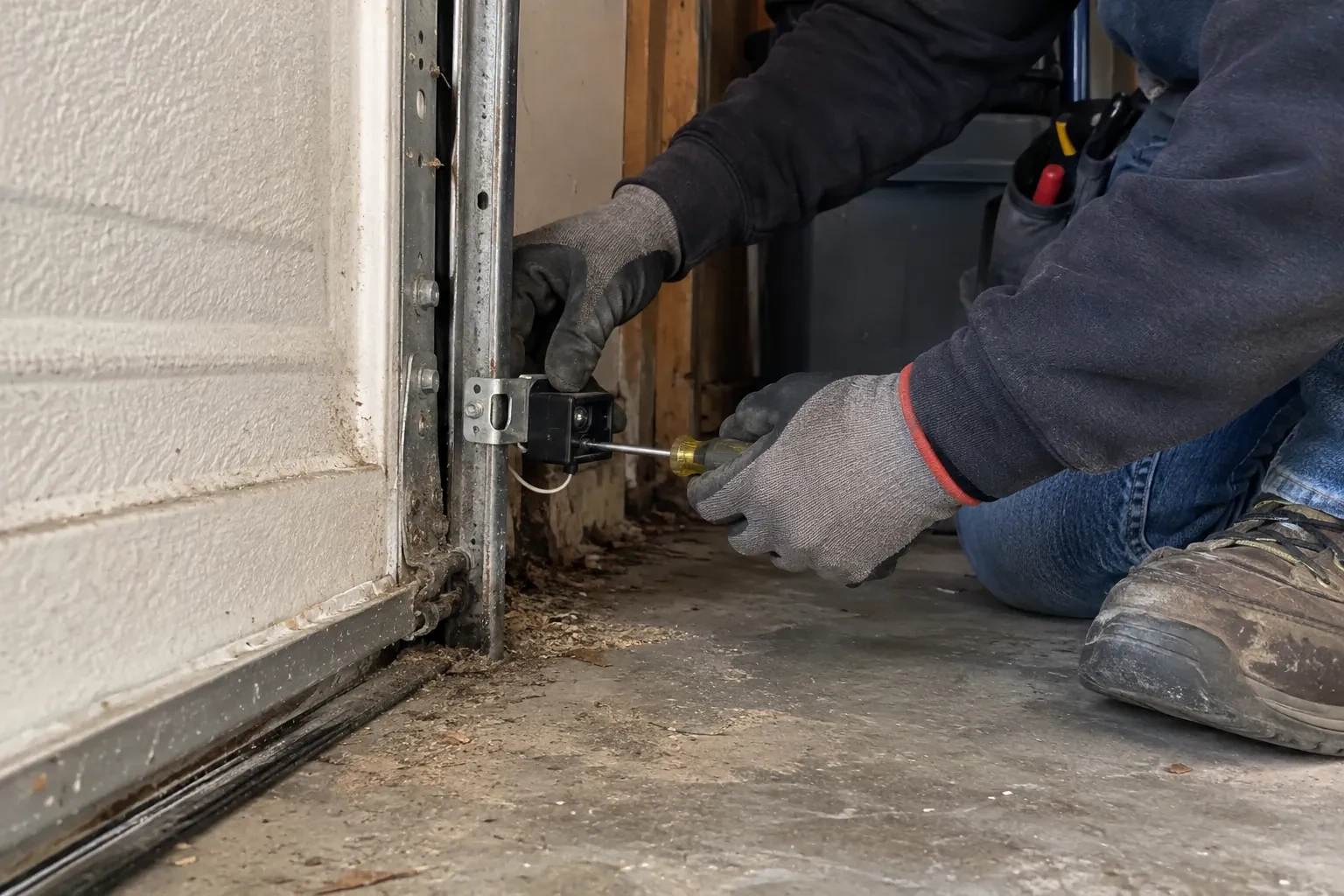
The small light on one of the sensors near the floor has gone dark, or it flickers when someone walks past the track. The other one glows steadily. The door refuses to close from the car.
Your renovation changes how the ceiling space will be used. The existing track conflicts with new storage and lighting, so the replacement needs a measured track arrangement that follows the available headroom and backroom.
Your renovation drawings call for a garage door with a stated design pressure, yet the existing door has no readable label or installation record. The replacement now needs to match the opening and the project documents.
Cold-weather moisture has frozen the bottom seal to the sill, and salty grit has collected along the guide entrances. The door chatters during its first cycle and leaves a visible gap after it reaches the closed limit.
No. Tracks should be clean and dry. Rollers are meant to roll along the track on their own bearings, and a film of lubricant on the track collects grit, thickens in the cold and makes the rollers slide and drag instead. Wipe the tracks with a rag and put the lubricant where it belongs: on the hinge pins, the roller bearings, the spring coils and the bearing plates at the ends of the torsion shaft.
Why should the seal only touch the door lightly?
The fin is meant to bend against the door with a small, even deflection. That is enough to seal, and it lets the fin spring clear as the door lifts. Pressed hard, it drags on the door face, folds under on the way down, squeals and wears through well before its time, and it adds load to the opener. Set too far off, it leaves a standing gap. The light touch is the setting that lasts.
Does the opener need adjusting after the spring is replaced?
Usually a little. A balanced door presents a much lighter load than a door with a broken spring, so the opener's force settings are reset to suit it, and the travel limits are checked so the door seals at the floor and stops cleanly at the top. The technician then runs the reversal test and the photo-eye check to confirm the safety system responds correctly with the new balance.
I am getting a new opener. Should the door be balanced first?
Yes, and installers will usually insist on it. A new opener is set up against the door it meets on the day, so its travel and force settings are only right if the door is already balanced. Fitting a new motor to a heavy door shortens the motor's life and puts the safety reversal out of range. Balancing first means the new opener starts life doing the light work it was designed for.
What does the sprocket do, and how does it wear?
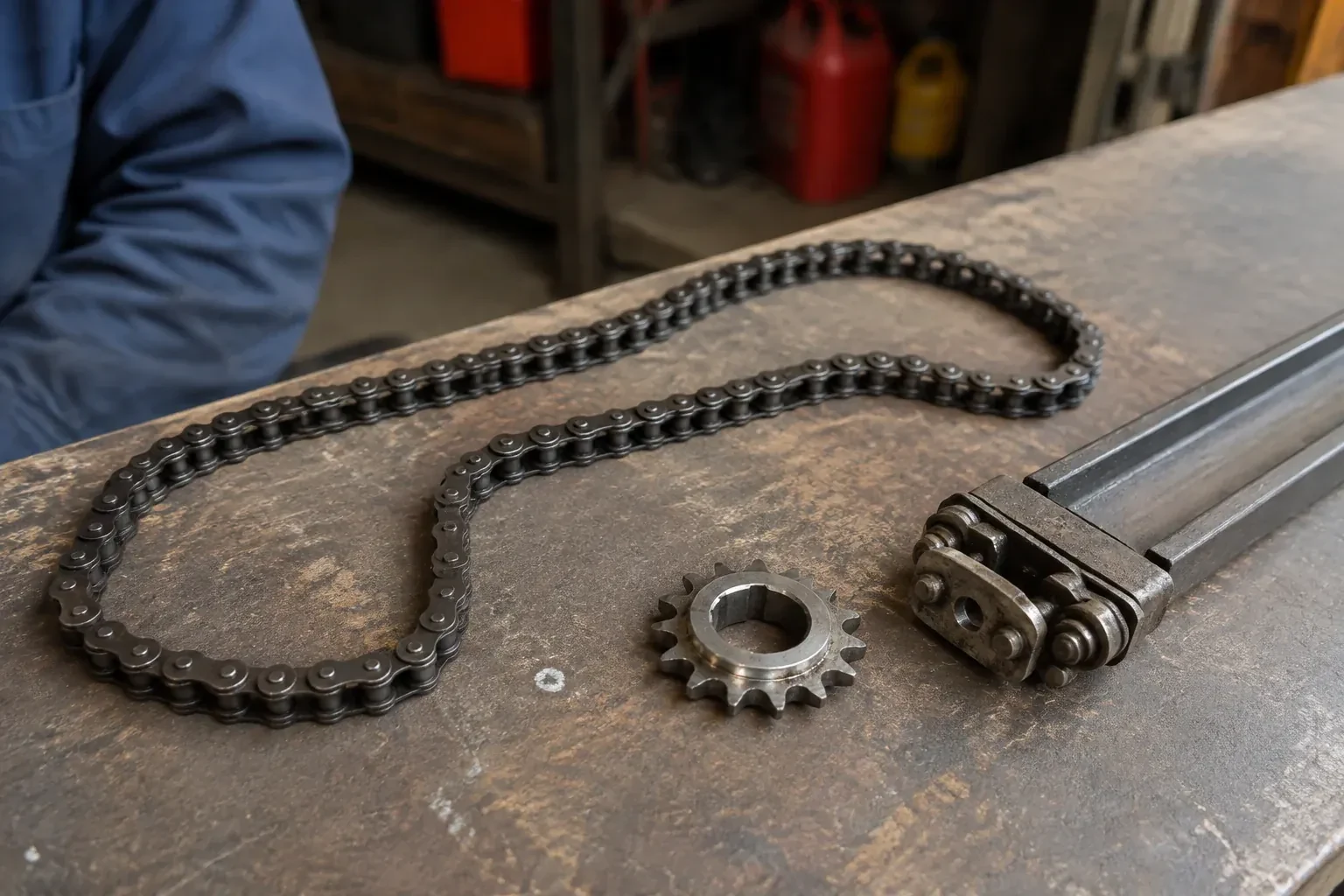
The sprocket is the toothed wheel on top of the motor head that pulls the chain. Every cycle drags the chain over its teeth, and over years the teeth wear thin and hooked, letting the chain ride up and skip under load, often at the same point on the rail each time. A sprocket that has loosened on its shaft lags behind the motor. Worn sprockets are replaced as part of the gear and sprocket assembly.
Can the belt just be tightened, or does it need replacing?
Tightening is the first thing tried. Tension is set at the inner trolley by a square nut that compresses a spring to the length the maker specifies. If the belt reaches that setting and runs without sprocket noise, it stays. If the adjuster is wound to its end and the belt still sags, or the rubber is cracked, glazed or missing teeth, a new belt is the right repair.
Will the sensors need replacing or just aligning?
Most visits end in alignment, cleaning and bracket work, because the sensors themselves are hardy. Replacement comes into it when a lens has clouded or crazed, when the housing is split or holds water, an indicator stays dark with the wiring proven good, or the pair is from a different generation than the opener and is never recognised. The technician tests before choosing, so the parts list matches what the door needs.
How is the old door removed?
Technicians disconnect the operator, stabilize the assembly and control the spring system before detaching cables or high-tension fixtures. Sections are supported and separated in sequence, followed by track and related hardware. The agreed scope states whether removed materials are taken away, while site protection keeps nearby finishes and belongings clear during dismantling.
Can a wind-rated door include windows?
Yes, when glazing is part of the selected configuration. Window size, position, retainers, and the surrounding section construction may affect the reinforcement layout, so the desired design is chosen before ordering. Factory-prepared glazed sections keep appearance, strength, sealing, and documentation aligned rather than turning windows into an alteration after installation.
What information helps before the visit?
Useful details include the opening size, curtain material, manual or powered operation, model labels, current door position, recent impact or weather event and the exact point where travel changes. Photos of the full opening, bottom bar, controls and labels can clarify the system. Mention a fire-protection label at the outset so that scope is recognised.
Request a visit
The visit in Pefferlaw starts with the door secured and a walk around every part of it. The technician then shows you the worn part, the sound one beside it and the choice between them. Nothing is replaced for the sake of it, and nothing that is close to failing is quietly left out.