Garage Doors in Sunderland, OntarioDoors for the shop,the bay and the warehouse.
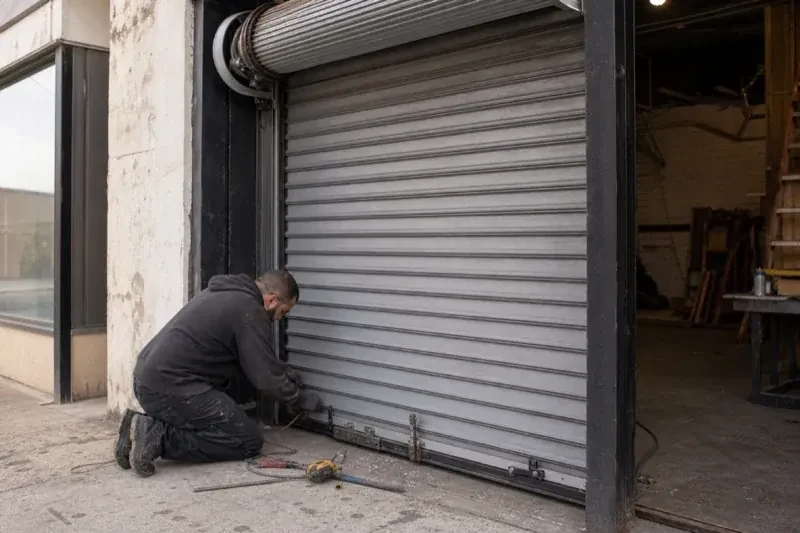
Commercial sectional and rolling steel doors around Sunderland take thousands of cycles a year and the occasional knock from a forklift. We service them with heavy-duty springs, industrial operators and hardware chosen for the work they actually do, and we plan the visit around your opening hours.
Commercial sectional and rolling steel doors around Sunderland take thousands of cycles a year and the occasional knock from a forklift. We service them with heavy-duty springs, industrial operators and hardware chosen for the work they actually do, and we plan the visit around your opening hours.
Keeping the weather on the outside.
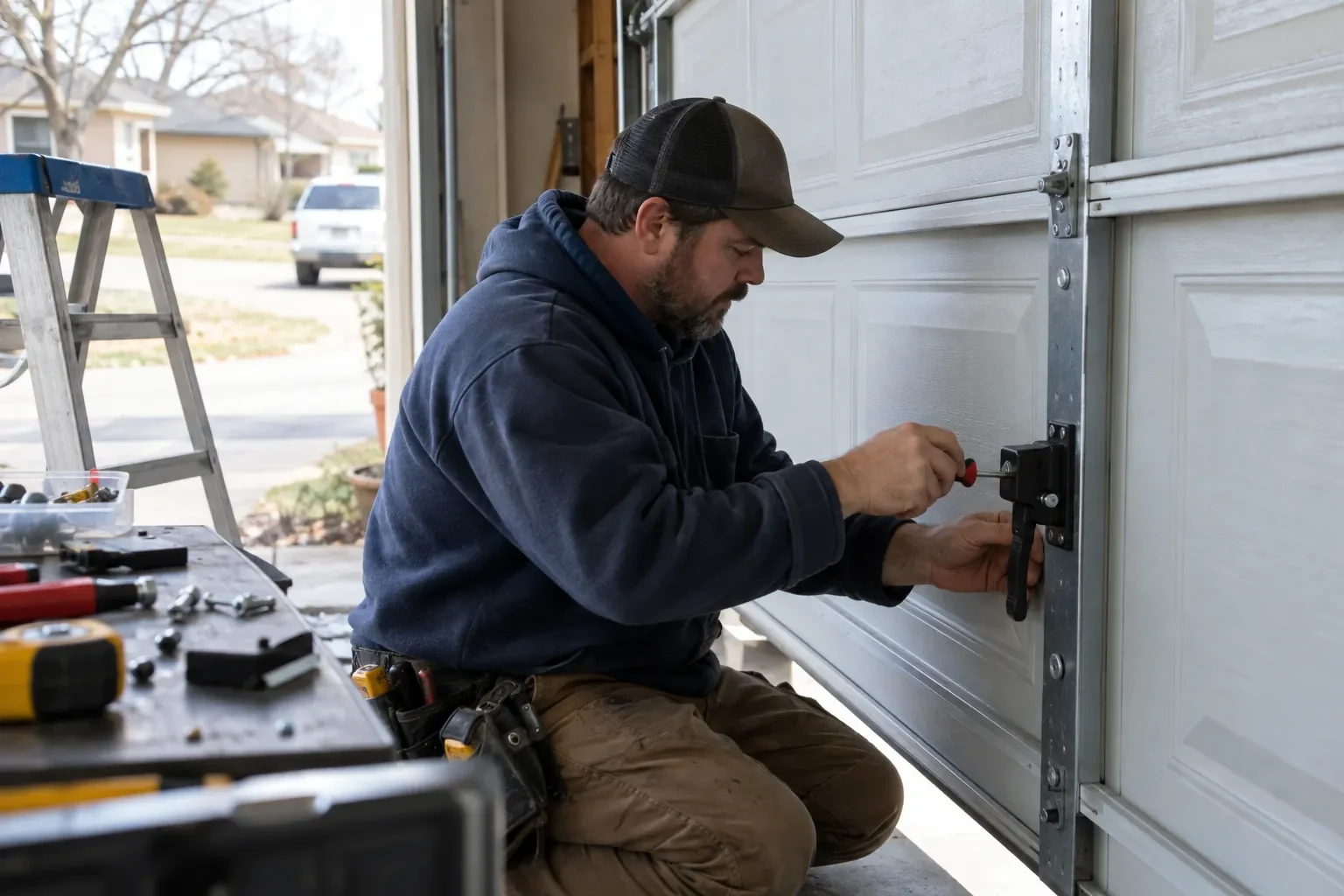
Our technicians visit Sunderland often enough to recognise the door styles that came with each stretch of building, which helps when a spring needs matching or an ageing opener needs a sensible replacement. You get a proper look at the door, straight talk about the choices and work done to last.
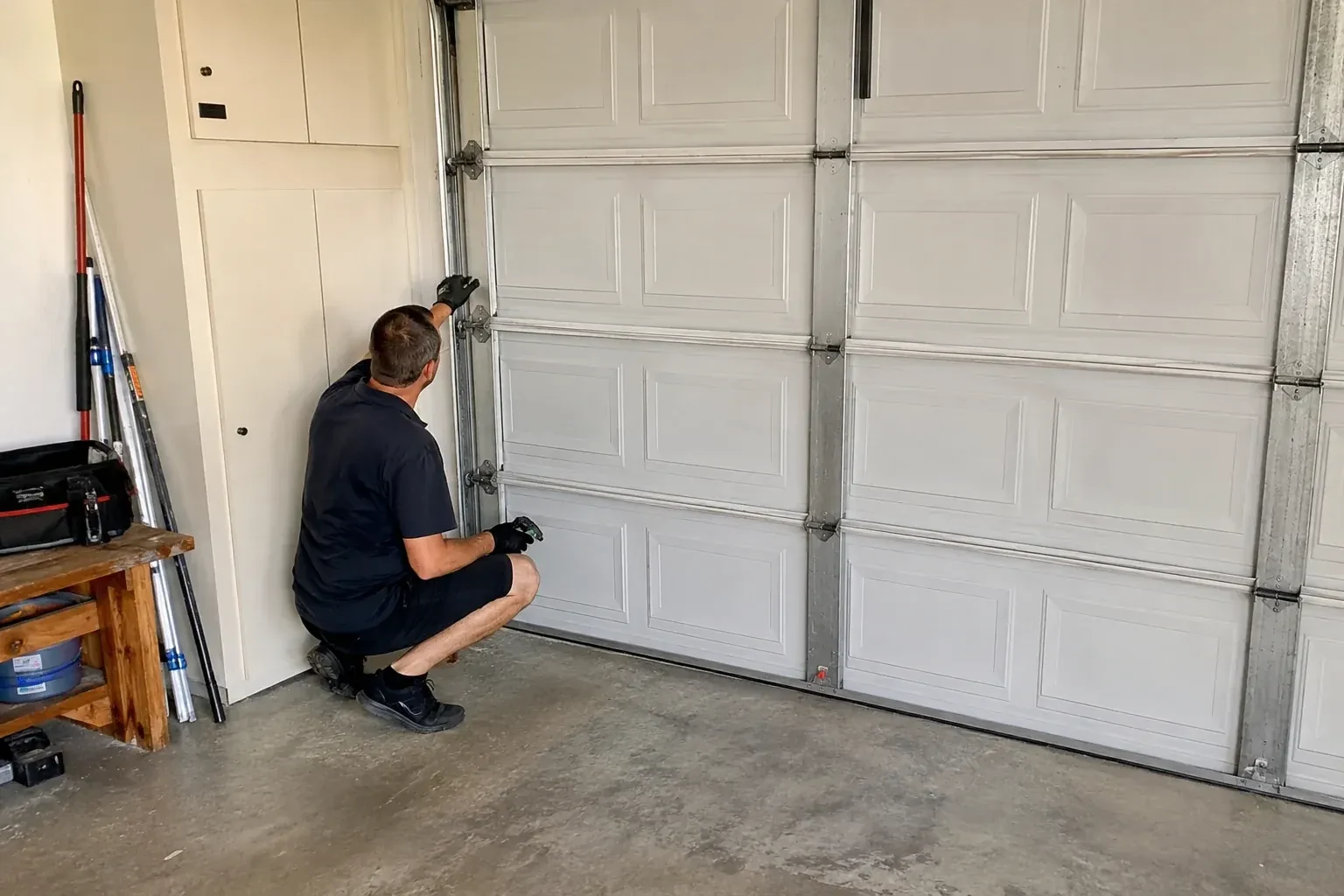
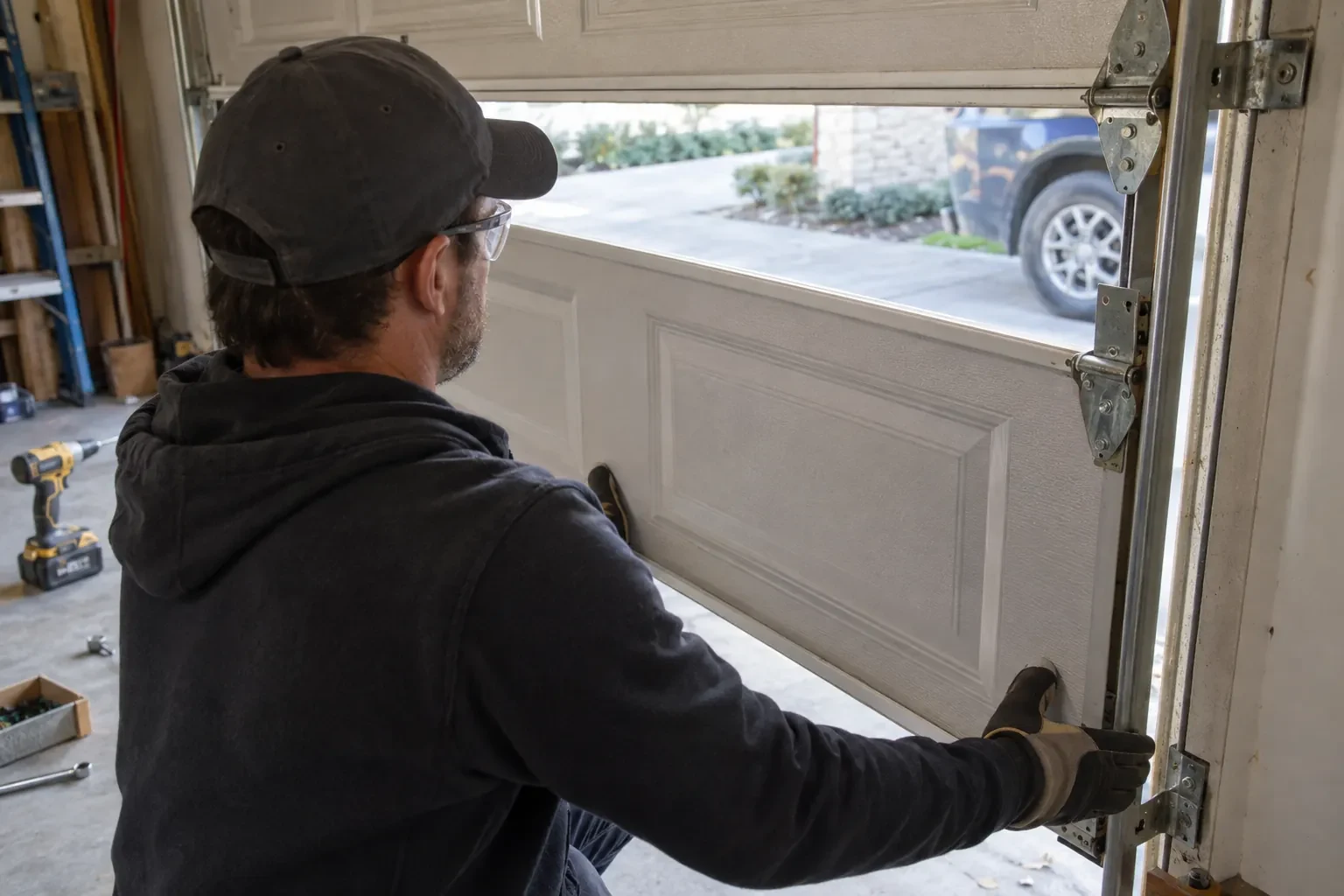
We service garage doors across Sunderland for households, small businesses and rental properties. Common calls include snapped torsion springs, cables that have slipped their drums, doors that have jumped the track, openers that hum without lifting and sensors that stop the door from closing. Each gets a full inspection, a clear explanation and a repair done with proper tools.
12years in business
24/7open every day
A technician who talks. You hear what we are checking and why, in real time. Ask anything; the explanation is part of the job.
Mess that leaves with us. Debris, packaging and the old spring go with us. Your floor and your car look the same after as before.
Your decision, informed. We put the choices on the table with their pros and cons. Whether to repair, upgrade or replace stays with you.
Ask about a new garage door for your Sunderland home.
Whether the door on your house in Sunderland needs a single roller or a whole new opener, the services listed here cover it. Repairs come first, because most doors can be saved; springs, cables and hardware follow; then openers and remotes; and finally new doors for homes and commercial buildings.
About 64% of homes in Brock were built in 1980 or earlier, according to the 2021 Census.
Older homes
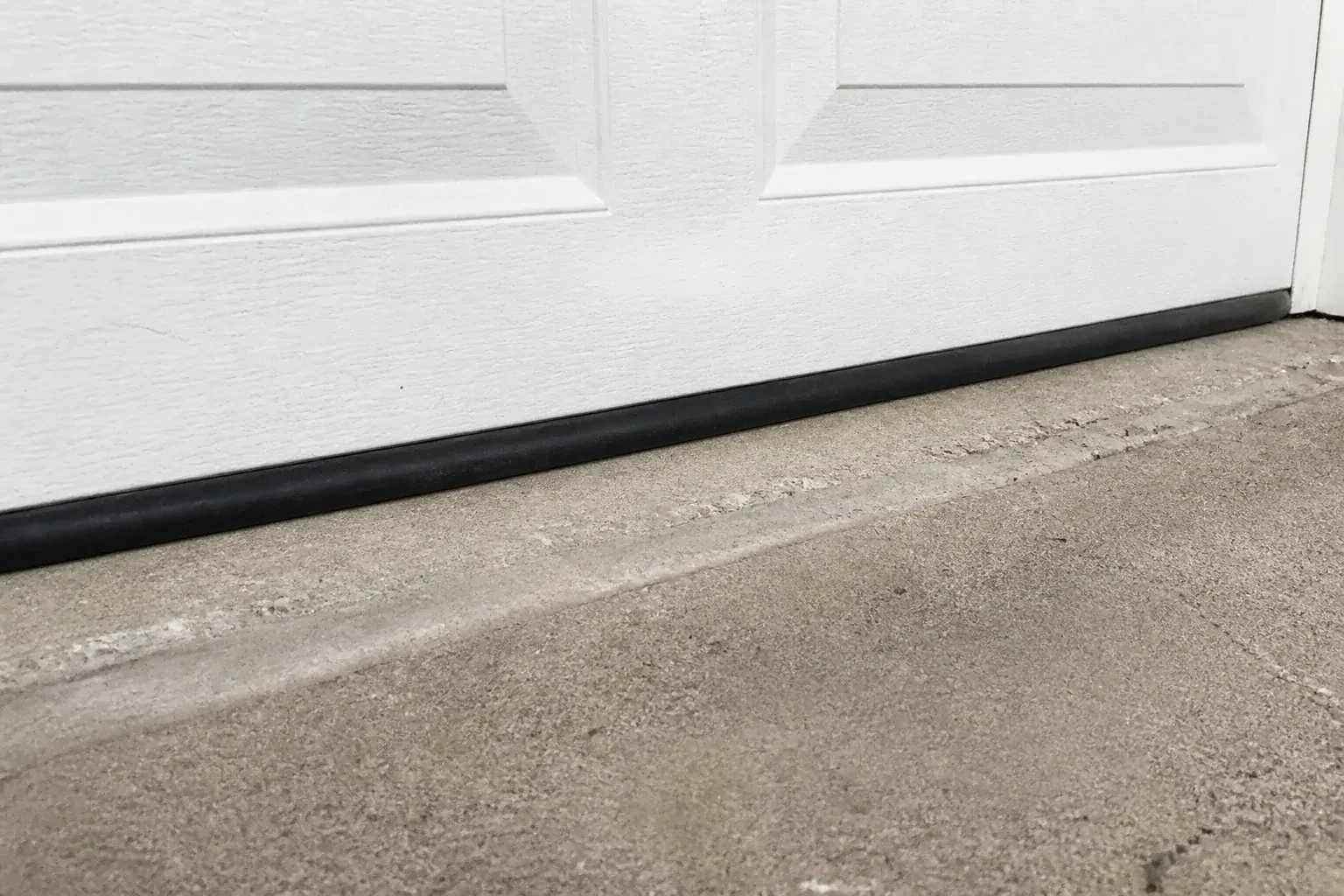
Decades of freeze and thaw work on the concrete apron in front of an older garage, and an uneven floor means the bottom seal meets a gap on one side. A thicker seal or an adjusted threshold closes it and keeps snow and cold air out.
Single-detached houses make up about 87% of homes in Brock (2021 Census).
Mostly houses
In neighbourhoods of detached homes the garage door usually faces the street and takes up much of the front of the house, so its condition shapes how the whole property looks. A straight, quiet, well-finished door is as much a part of the curb appeal as the front door.
Twice this week the door started closing, stopped a metre from the floor and reopened on its own. One of the little sensor lights near the floor blinks instead of glowing steady, and the wall button has to be held to close it.
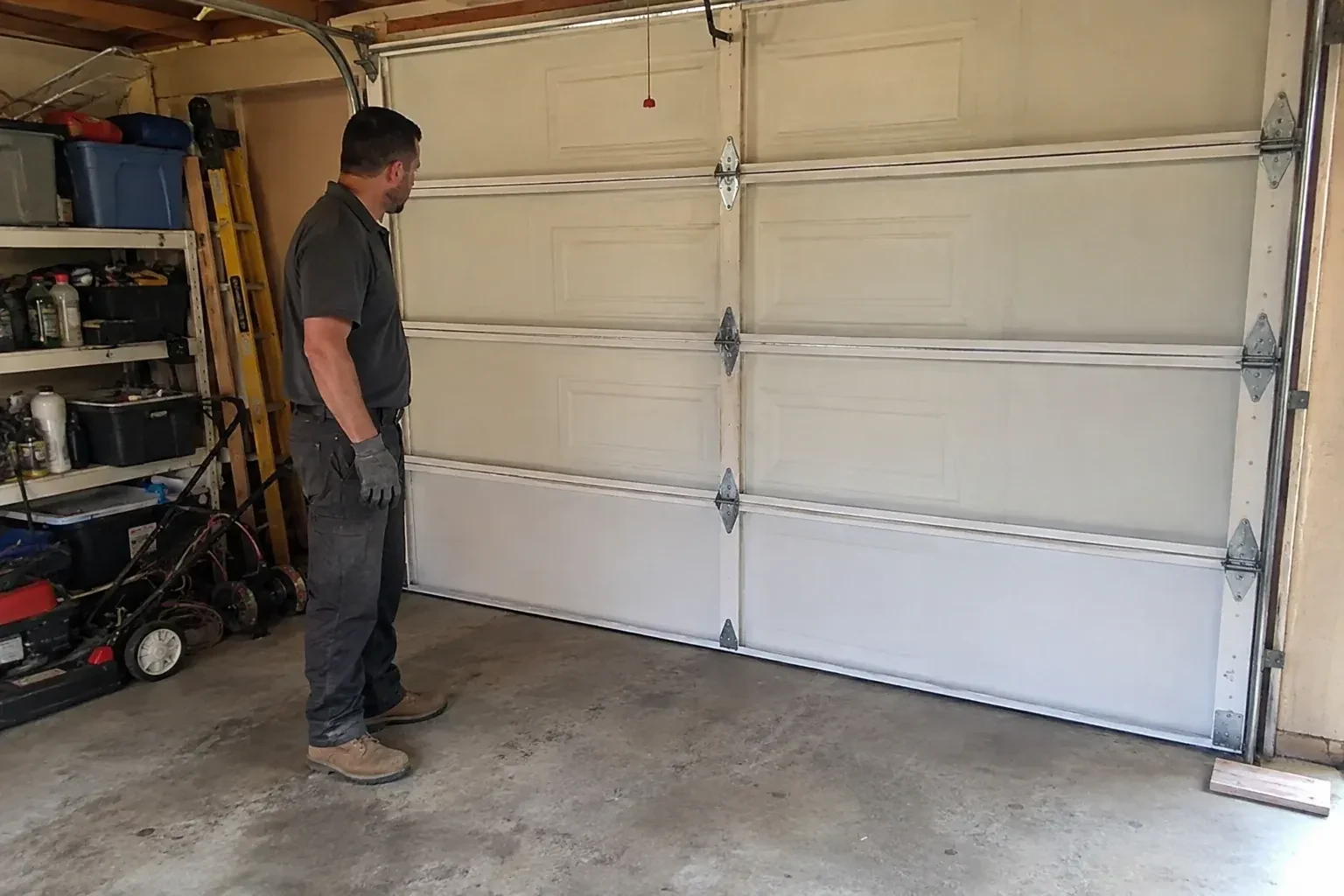
One side of the door hangs a hand's width lower than the other. A steel cable is drooping in a loop beside the track instead of running tight to the drum, and the whole door looks tilted in the opening.
The vinyl strip around the door used to be soft and white. Now it is grey and hard, cracked every few inches, and a piece near the corner snaps off in your fingers. It no longer bends toward the door at all.
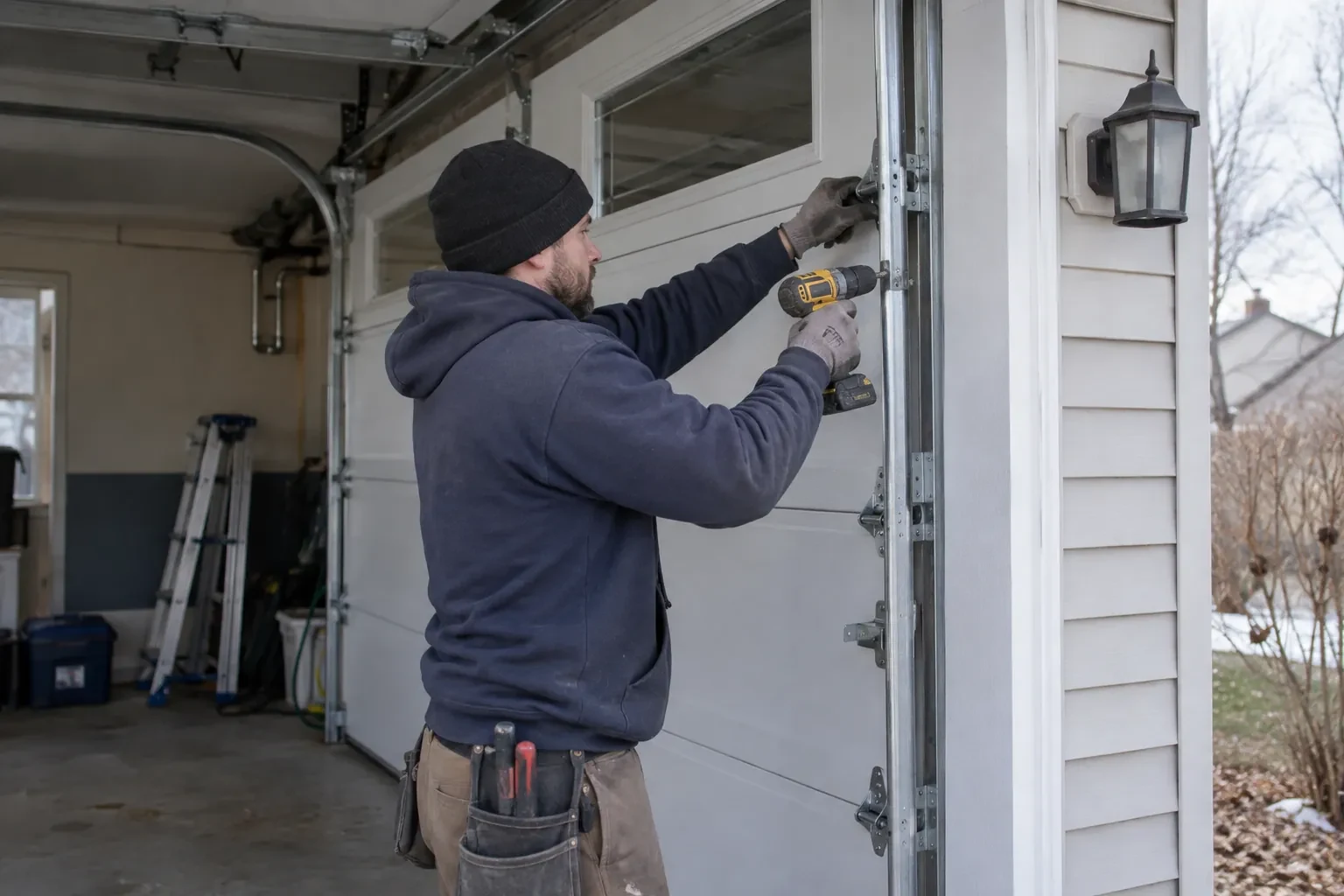
Pressing a hand against one of the middle hinges makes it rock on the panel. The screws turn and turn without ever tightening, and there is a rattle from that spot every time the door settles onto the floor.
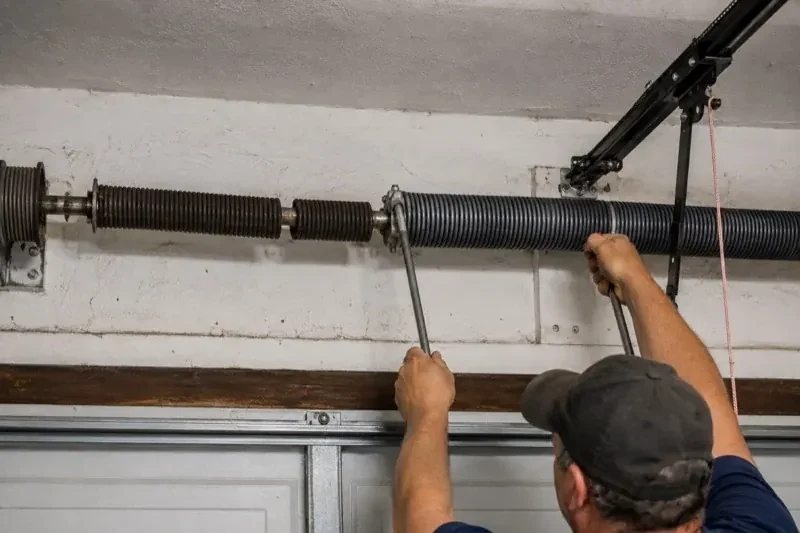
Your older door has springs along the tracks, and one cable has slipped off its pulley and dangles slack. The door lifts crooked and needs a shoulder to close, when it used to glide.
One side of the door sits higher than the other in the tracks, and a lift cable is hanging slack or has jumped off its drum. On a two-spring door this often follows one spring letting go while the other keeps pulling.
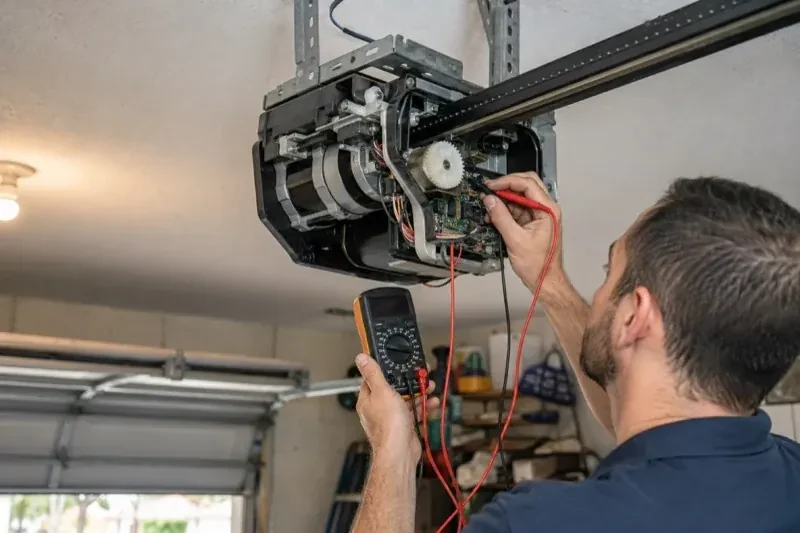
The door stops partway up for no reason, or opens fine and then refuses the next time. Some days the keypad works and some days it does not. The opener is the one that came with the house twenty-odd years ago, and nobody has the manual.
The existing door has reached the point where panels, rollers and finish all look tired. Rather than reproduce the same appearance, you want the replacement to become a considered architectural feature.
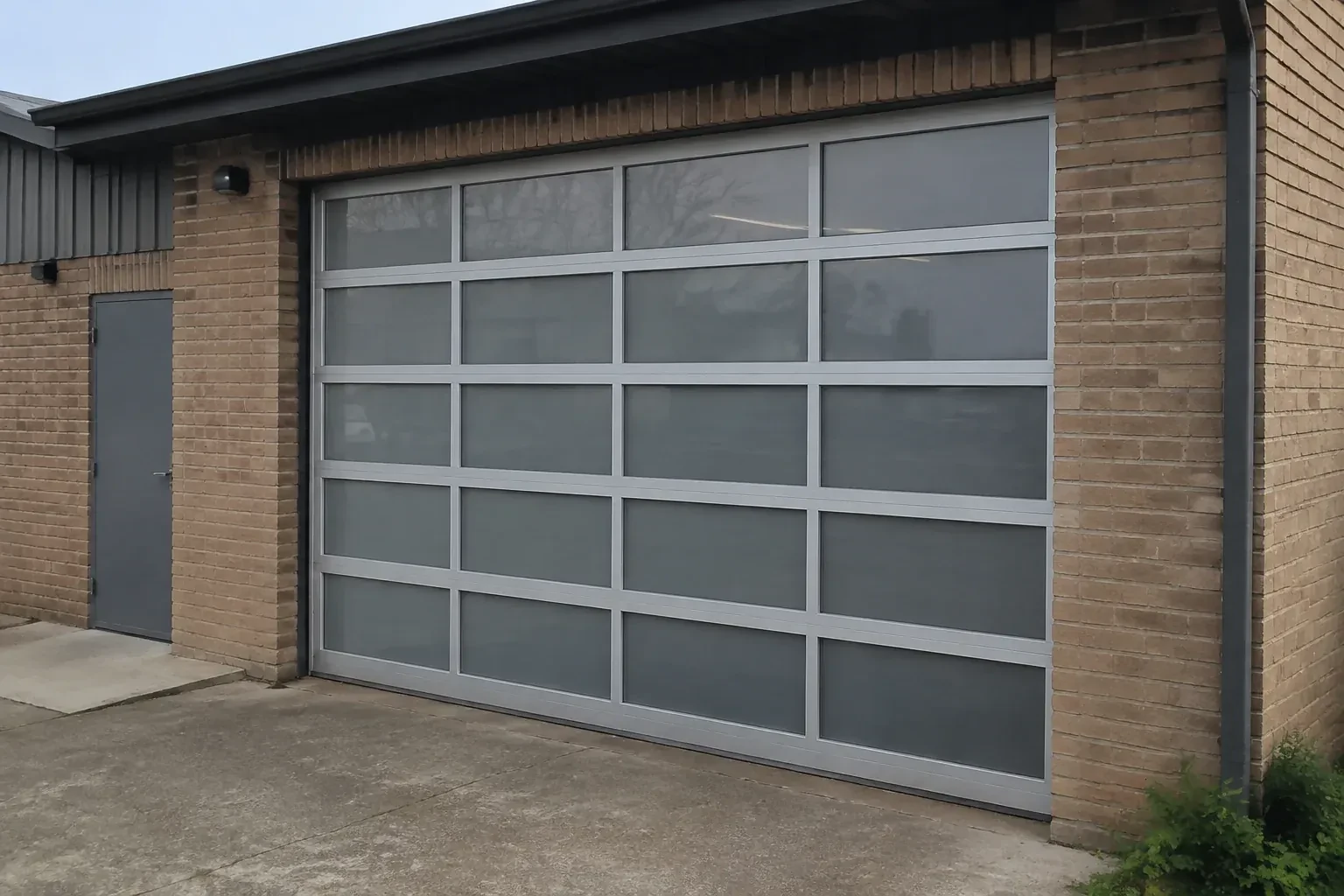
You like the brightness of clear glazing but not a direct view of everything stored inside. Frosted, tinted or obscure panels would let the new door share light while providing practical privacy.
A lift truck clipped the lower curtain during unloading. Now two slats are bowed, an endlock catches halfway up, and each attempt to cycle the door pulls the damaged section farther toward one guide.
Panel replacement on a door that is still sound belongs in repair. A door where several sections are gone, the tracks are rusted and the springs are past their life belongs here, and we will tell you which case yours is.
The belt looks fine from a distance, but up close the rubber has cracked across the back in dozens of places and, in one spot, you can see the steel cords showing through.
You want the ceiling back. A storage loft, a vehicle lift or kayak racks would fit if the long rail and motor box were not hanging in the middle of the garage, and the low ceiling of an older house leaves little room for the standard rail anyway.
On bright mornings the door will not close, then by lunchtime it behaves itself. The garage faces the low sun, and the light reaches straight across the floor to one of the little black sensors.
Someone in the family tried to add a remote, held the button on the ceiling unit a little too long, and now every remote in the house is dead at once. The wall control still moves the door.
The house came with a controller already screwed to the garage ceiling and a sensor on the door, but the app insists the device belongs to another account. The seller has moved provinces, the emails go unanswered, and every evening the door still reports to a stranger's phone.
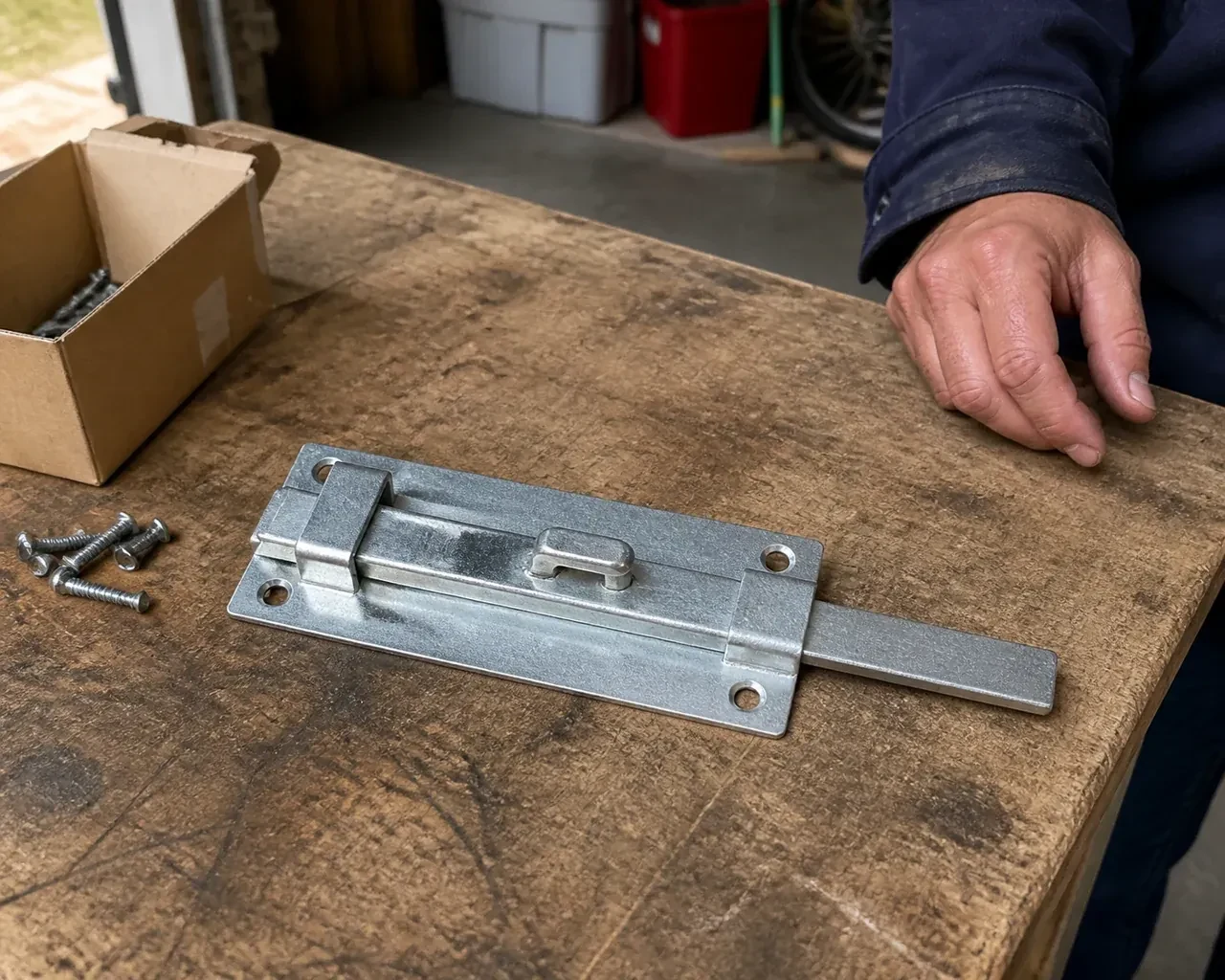
It is the coldest morning of the year. A week of slush and road salt has crusted over the outside release lock, the key will not seat, and the opener inside is silent after the overnight outage.
Which fix fits?
Twice this week the door started closing, stopped a metre from the floor and reopened on its own.
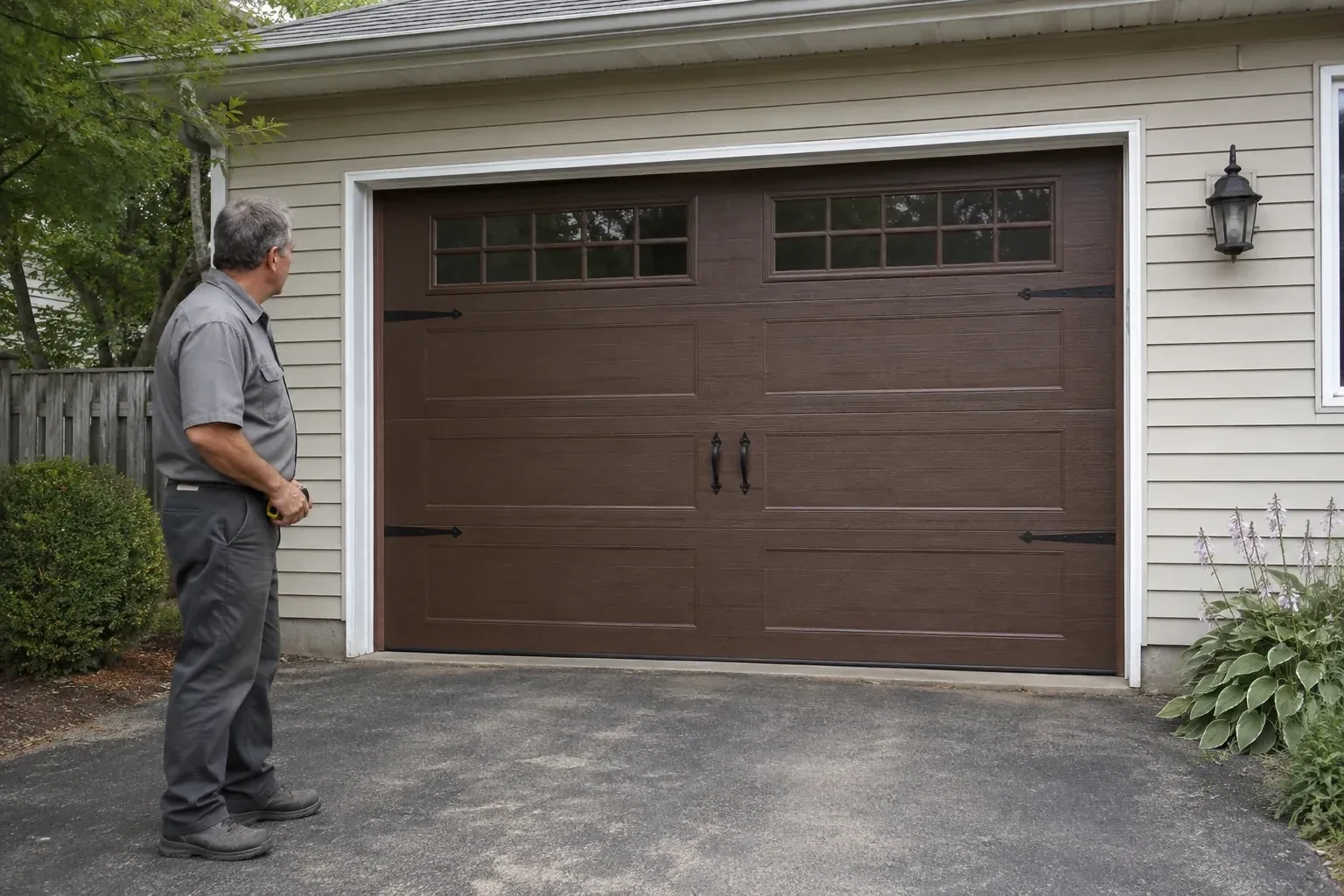
WhyCarriage-house garage door installation gives a home the visual rhythm of old coach doors without requiring the panels to swing across the driveway.
You like the brightness of clear glazing but not a direct view of everything stored inside.
No. Tracks should be clean and dry. Rollers are meant to roll along the track on their own bearings, and a film of lubricant on the track collects grit, thickens in the cold and makes the rollers slide and drag instead. Wipe the tracks with a rag and put the lubricant where it belongs: on the hinge pins, the roller bearings, the spring coils and the bearing plates at the ends of the torsion shaft.
Will the opener need adjusting afterwards?
Sometimes, but not always. Once the door runs true by hand, the trolley is reconnected and the opener is checked against its own travel limits and force; those are only reset if that check shows they have drifted, since many openers need no force change after a repair like this. The reversal is then checked against a block laid in the door's path and by interrupting the photo eyes from a safe distance. If the opener strained hard during the event, its arm and bracket are checked too.
Why should the seal only touch the door lightly?
The fin is meant to bend against the door with a small, even deflection. That is enough to seal, and it lets the fin spring clear as the door lifts. Pressed hard, it drags on the door face, folds under on the way down, squeals and wears through well before its time, and it adds load to the opener. Set too far off, it leaves a standing gap. The light touch is the setting that lasts.
Can a light bump from the car damage a hinge?
Yes, more often than people expect. The bottom two panels take the contact, and the edge hinge at that joint bends along with the stile behind it, so the panel edges rub and the roller leans. The damage sometimes only shows as a new squeak at the curve. The technician straightens or renews the stile, fits a new hinge and roller, and checks the strut and track on that side.
Should both cables be replaced when only one has failed?
Yes, as a rule. The two cables were fitted together, have flexed around their drums the same number of times and have sat in the same slush, so the survivor is close to the end of its life. A new cable beside a stretched one also makes it harder to set the door level. Two matched cables give an even lift and one visit instead of two.
Does the opener need adjusting after the spring is replaced?
Usually a little. A balanced door presents a much lighter load than a door with a broken spring, so the opener's force settings are reset to suit it, and the travel limits are checked so the door seals at the floor and stops cleanly at the top. The technician then runs the reversal test and the photo-eye check to confirm the safety system responds correctly with the new balance.
Should I lubricate the chain, the rail or the track?
Rollers, hinges, bearings and springs benefit from a garage door lubricant once or twice a year. The chain, belt or screw-drive rail is a separate question, since each drive type calls for its own product and schedule from the opener's manual rather than one rule for every unit. The track itself should stay clean and dry, because lubricant there collects grit and makes rollers slide instead of turning. The technician can point out the spots on your door at the end of the visit.
Which materials are used for carriage-house garage doors?
Common choices include embossed steel sections, insulated steel with composite overlays, and wood or wood-faced sectional construction. They differ in weight, surface depth, grain, moisture response and care. Samples are helpful because photographs can flatten texture and alter colour. The chosen construction also guides spring sizing, reinforcement, fasteners and the kind of finish maintenance expected later.
How are glass sections protected during installation?
Sections stay in their protective packaging until they can be checked and staged safely. They are stored upright or on padded, non-marring supports as directed, with glass faces separated from tools and rough surfaces. Handling uses the frame and designated lift points instead of the panes or glazing beads, and protective film remains until the instructed stage of assembly.
What information helps before the visit?
Useful details include the opening size, curtain material, manual or powered operation, model labels, current door position, recent impact or weather event and the exact point where travel changes. Photos of the full opening, bottom bar, controls and labels can clarify the system. Mention a fire-protection label at the outset so that scope is recognised.
Request a visit
Our technicians visit Sunderland often enough to recognise the door styles that came with each stretch of building, which helps when a spring needs matching or an ageing opener needs a sensible replacement. You get a proper look at the door, straight talk about the choices and work done to last.