Openers · Georgina
Emergency Release Repair in Georgina
It is the coldest morning of the year.
In plain words
Most households meet the release for the first time in a power outage, usually in winter. The door is shut, the car is inside, and the red handle is the only way to move the door. This service makes that moment go smoothly: a handle that hangs where a person can reach it, a cord strong enough to throw the lever, a trolley that lets go cleanly, and a door that lifts without a fight once it is free. The technician also shows everyone in the house the sequence, including how to hold the trolley out for a few days of manual use and how to reconnect afterwards.
How the visit goesHalfway up, the door lets go of the opener with a clunk and sinks back to the floor while the trolley carries on to the top alone. It has happened three times this month, and each time the release lever is found half-cocked.
Emergency Release Repair
How the visit goes
How the door behaves on its own
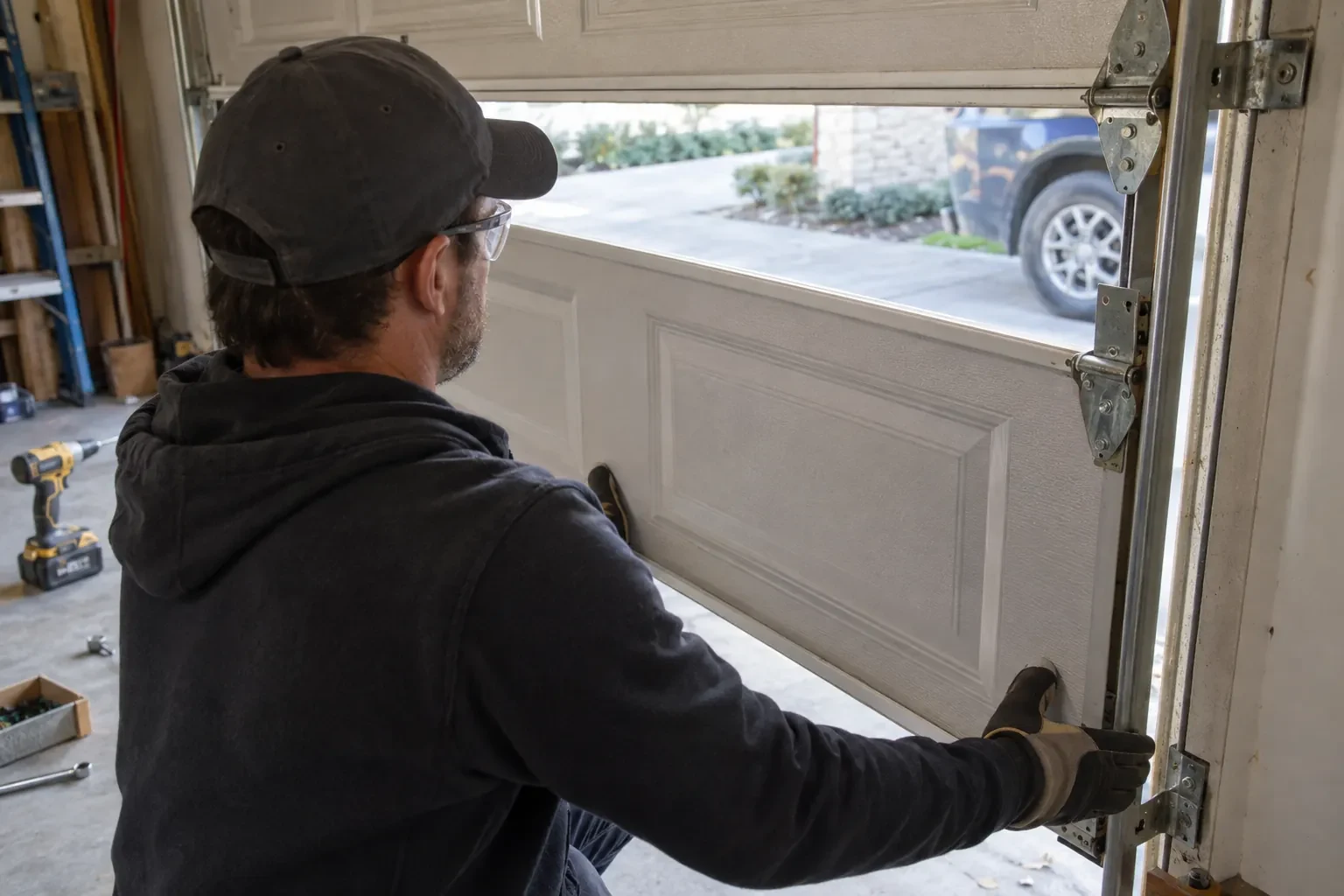
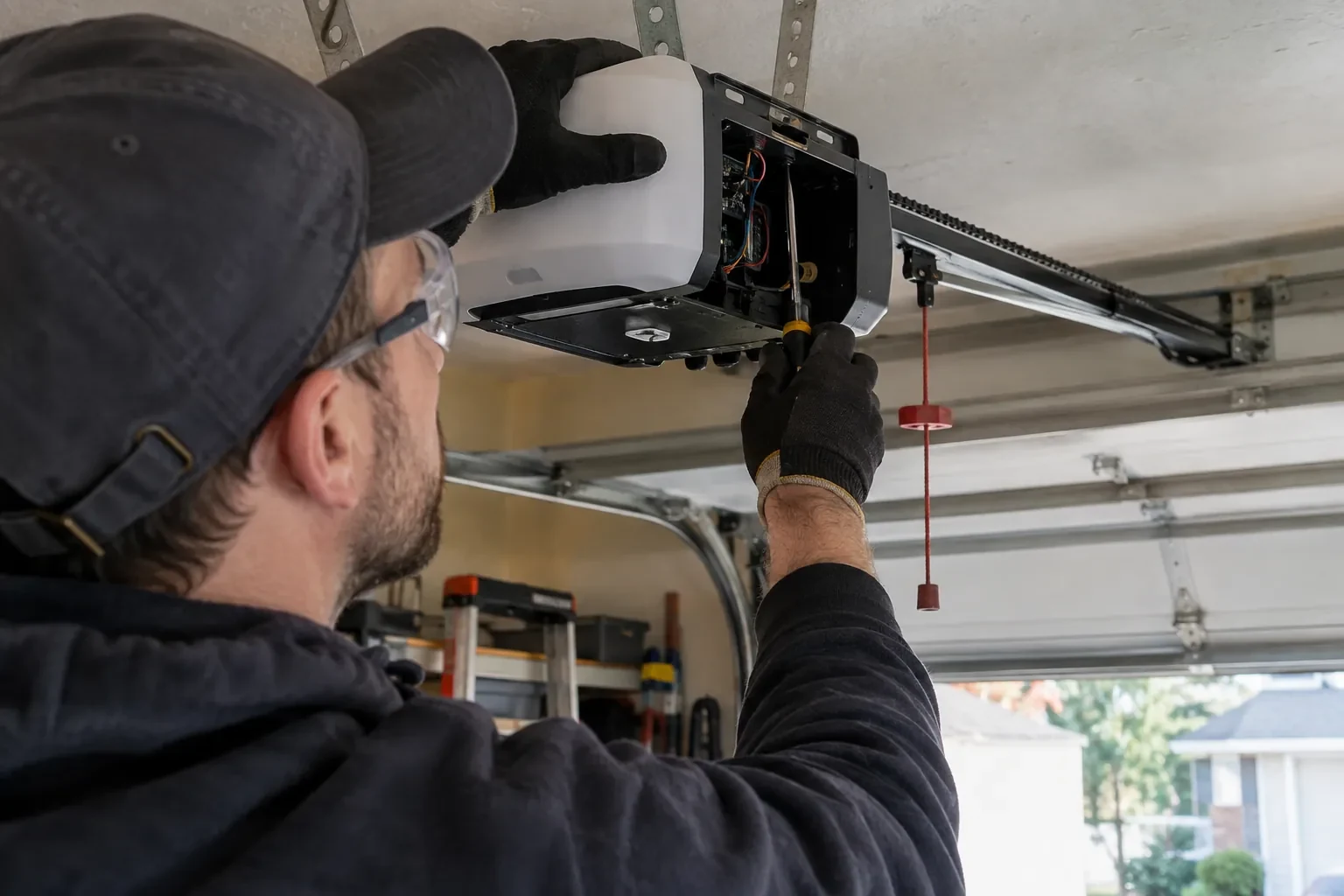
The release is then pulled with the door closed and the door is lifted by hand, using the door's own handle or a gripping point clear of the section joints. This is the balance test, and it decides the order of the work. A door that rises with modest effort, holds at about a metre and stays fully open is ready for release work. A door that feels heavy, sinks back or springs upward is telling the technician that the counterbalance needs attention first, and the release is left disconnected until that is done. Manufacturers and the industry checklist both put this test ahead of any further use of the release.
Door work first when the balance test fails
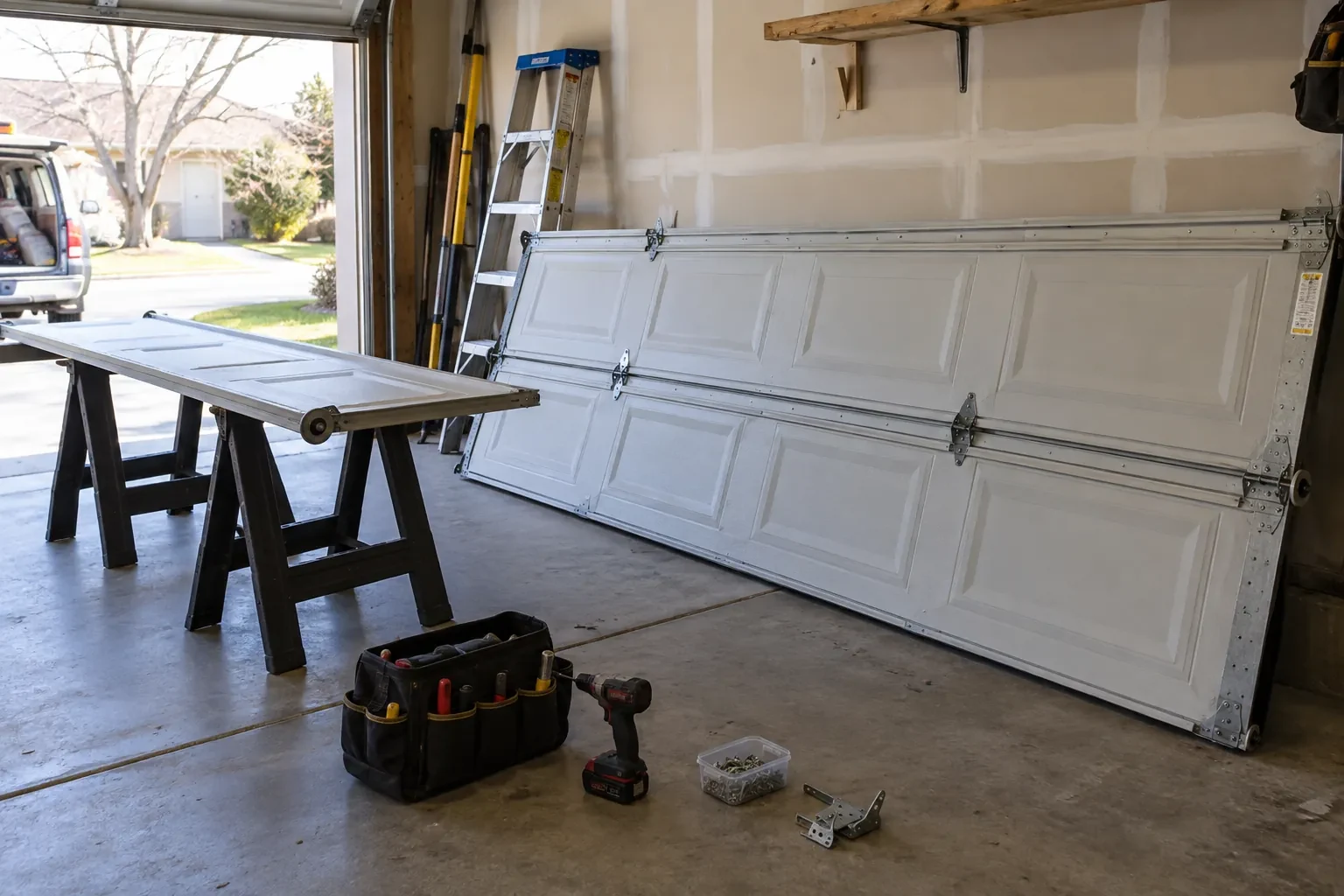
When the disconnected door proves heavy, drifts or binds, the technician changes the order of the visit. The opener stays disconnected, and the door side is put right first: springs re-tensioned or replaced with winding bars by a technician trained for tensioned hardware, frayed cables replaced, dry rollers and hinges lubricated, a bent track straightened. Only when the door lifts and holds by hand is the release work finished and the trolley reconnected. This keeps the release honest: it is meant to hand you a door you can move, and it can only do that once the springs are carrying the weight.
A record of what was done
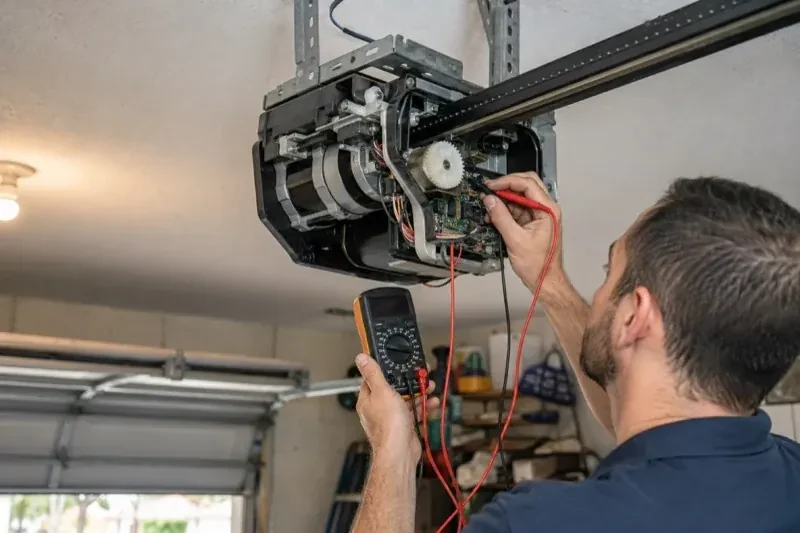
You receive a short note: the opener model, which release parts were replaced, the handle height as set, whether the trolley was freed or renewed, what the travel and tension settings are now, and whether an outside release was fitted. Keep it with the house papers. It tells the next technician what is on the ceiling, gives a buyer confidence the door has been cared for, and saves looking up the model when a replacement rope or key is needed years from now. Old parts are left with you or removed, whichever you prefer.
Emergency Release Repair
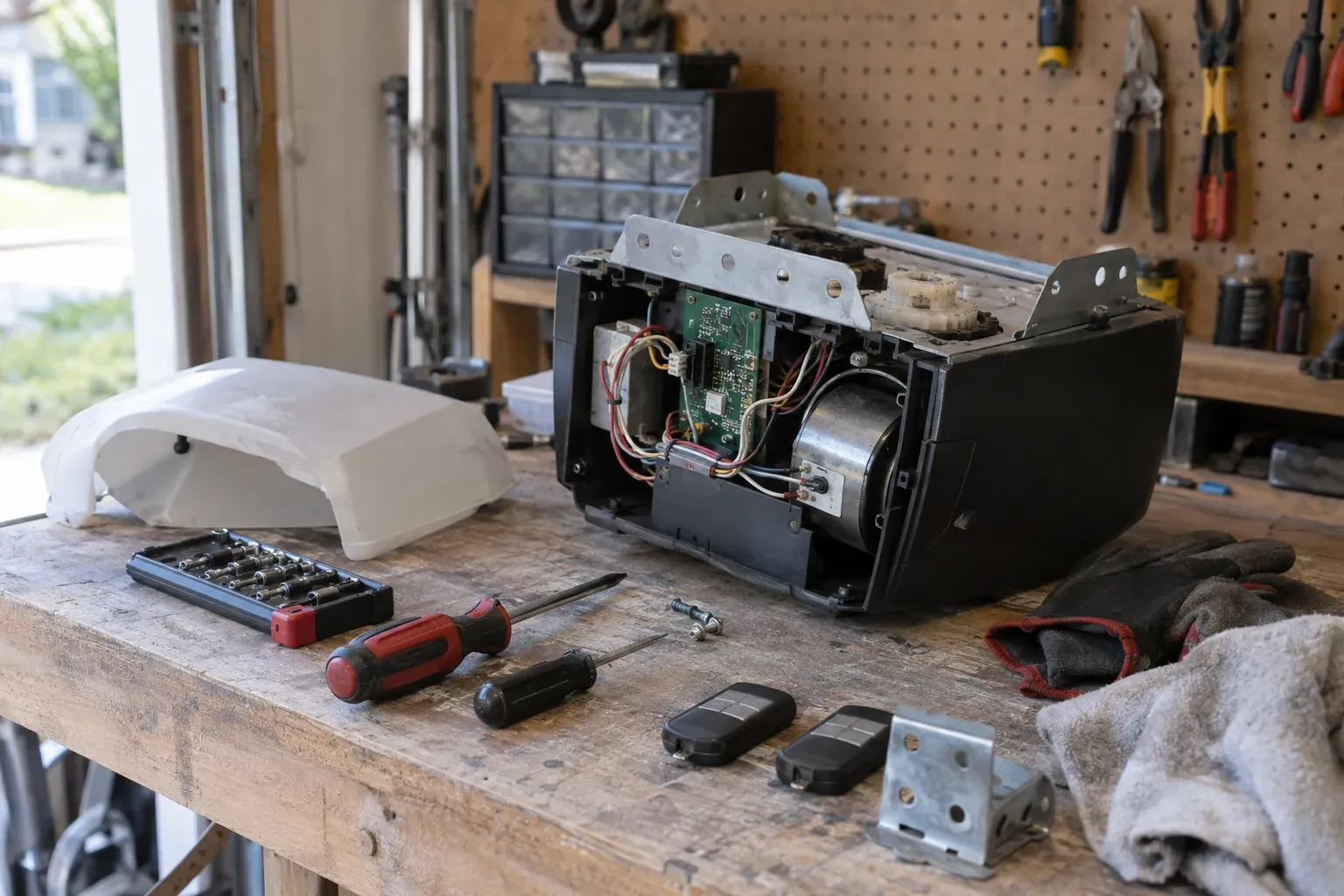
In the van
Garage door lubricant
Release cable and clips
Outside key release kit (lock, cable, keys)
Release lever and spring
Hole saw for the top section
Emergency Release Repair
What affects the quote
Distance to your door
Every visit includes the drive. A property on the edge of the service area or down a long rural road takes more of the technician's day than one a few streets away, and the quote allows for it.
Opener type and rail
A chain or belt unit on a one-piece rail, a sectional square rail, a screw drive and a wall-mounted opener each use a different release part, and the part sets the shape of the job.
Outside key release: repair or new
Renewing a cylinder, cable or keys on an existing outside release is one line; cutting the door and fitting a complete kit where none exists is another, and both are named separately.
What to have ready
- Has the trolley ever been left disconnected for a stretch of manual use?
- Where was the door when the release was pulled, and where is it now?
- Roughly how old is the opener, and can you read the model label?
Emergency Release Repair: questions
QuestionsHow long does an emergency release repair take?
A cord and handle, a lever spring or a trolley freed from the stop bolt is a modest part of an hour, including the balance test and reversal tests. Replacing a trolley or fitting an outside key release takes longer, since the drive is slackened and re-tensioned or a hole is cut in the door. If the balance test finds the springs need work first, that is a separate piece of the visit, and you are told before it starts.
The motor hums and the trolley is jammed at the end of the rail. What happened?
The trolley has been driven into the stop bolt or stop tab, usually because the travel limit let it run too far. The technician frees it by pulling the release, slackening the chain or belt a few turns, running the motor so the trolley walks off the stop, then correcting the travel limit and re-tensioning the drive. The reversal tests are repeated afterwards, since the limits were changed.
Is the red handle safe with children around?
The handle has to be reachable from the floor, so it is not a thing to hide. What keeps children safe is understanding and habit: explain that the handle is for adults and for outages, keep remotes out of small hands, and mount the wall control about a metre and a half up. Never rely on balance alone if a child does pull it; keep the doorway clear and treat the release as an adult tool, which is one more reason the balance test matters.
Related services
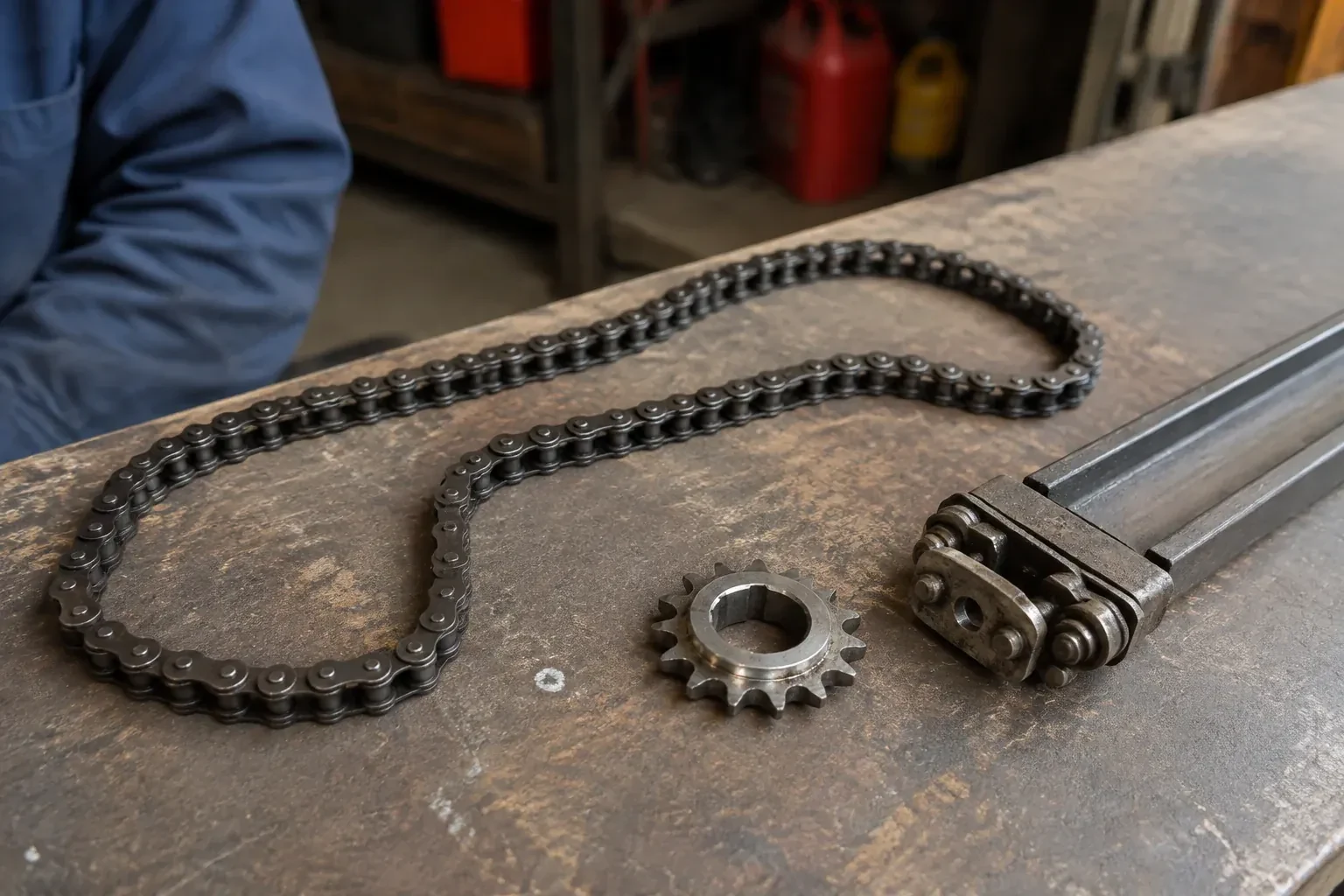
- Chain-Drive Opener RepairHalfway up, the door lurches.
- Belt-Drive Opener RepairThe belt looks fine from a distance, but up close the rubber has cracked across the back in dozens of places and, in one spot, you can see the steel cords showing through.
- Garage Door Opener ReplacementYou want the ceiling back.